





Unraveling Hattuşa: An Introduction to the Ancient Capital
Located in modern-day Turkey, Hattuşa stands as an enigmatic testament to the ancient Hittite Empire, inviting scholars and archaeologists to unravel its mysteries. This ancient capital city holds a wealth of archaeological evidence that allows us to piece together the story of the Hittite civilization. As we explore the ruins of Hattuşa, we are confronted with intriguing questions about the rise and fall of this once-great empire. The vastness and complexity of its architecture, such as the imposing city walls and grand temples, hint at a society that was highly organized and technologically advanced for its time.
The discovery of intricate clay tablets inscribed with cuneiform script offers a glimpse into their sophisticated system of administration and record-keeping. Additionally, the presence of elaborate royal tombs suggests a deeply ingrained belief in an afterlife and a reverence for their rulers. Uncovering these clues not only sheds light on the daily lives and political structure of the Hittites but also invites us to contemplate their enduring legacy in shaping our understanding of ancient civilizations. Transitioning into tracing the footsteps of the Hittite civilization: The Rise of Hattuşa opens up new avenues for exploration into this fascinating chapter in history without missing any crucial details.
Tracing the Footsteps of the Hittite Civilization: The Rise of Hattuşa
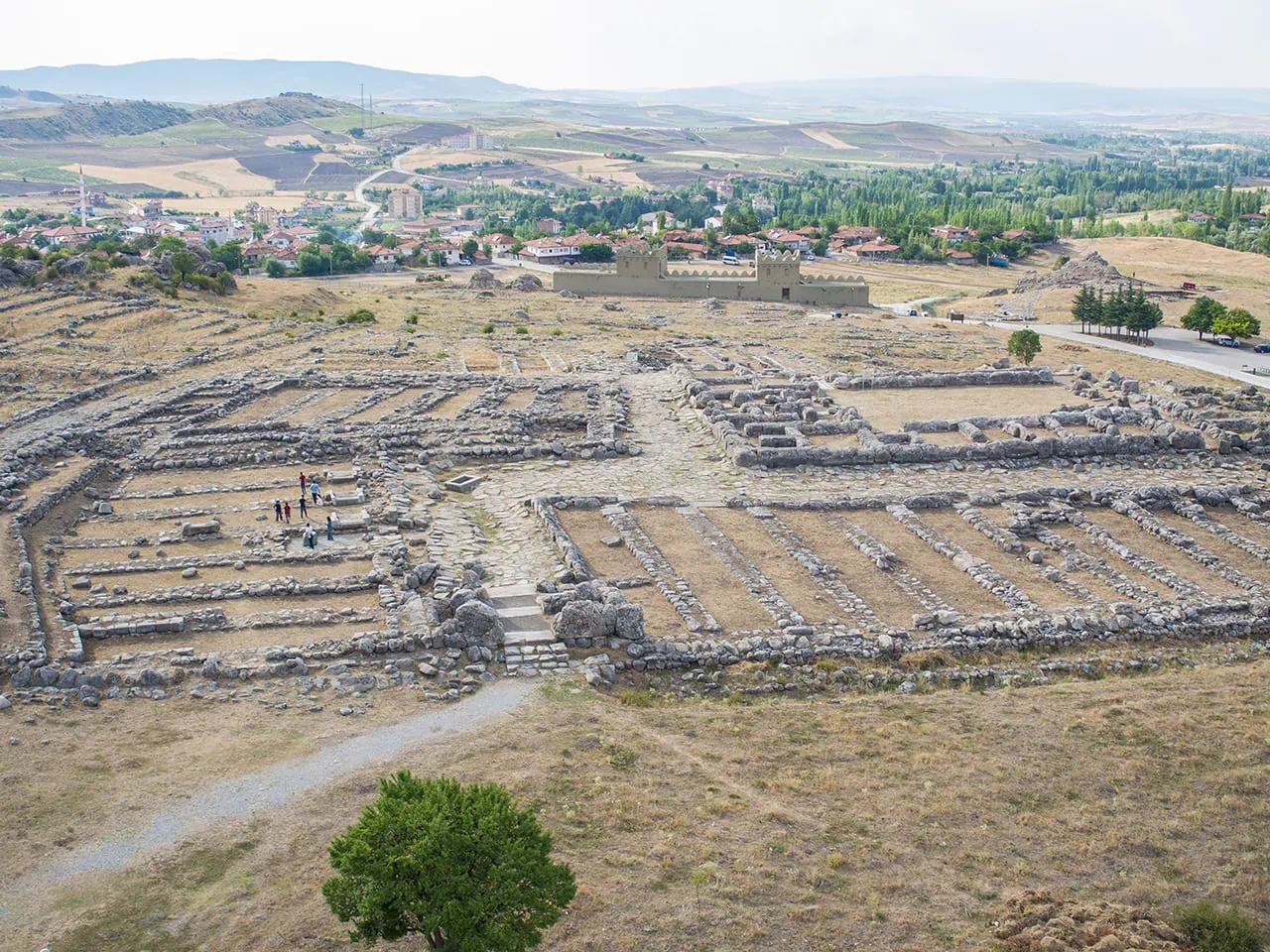
Tracing the footsteps of the Hittite civilization unveils a compelling narrative of the rise of a once-great society, characterized by advanced architectural feats and intricate systems of governance and record-keeping. The emergence of Hattuşa as the capital city played a pivotal role in the growth and consolidation of this ancient empire. Situated strategically in central Anatolia, modern-day Turkey, Hattuşa served as a hub for political, economic, and cultural activities. Its meticulously planned urban layout showcased an impressive array of monumental structures, including imposing fortifications, grand temples, and sprawling palaces adorned with exquisite artwork.
Additionally, the Hittites established an efficient bureaucracy that oversaw a vast network of administrative centers throughout their territories. The discovery and decipherment of cuneiform tablets shed light on their sophisticated legal system, taxation methods, trade agreements, military campaigns, and diplomatic correspondence with neighboring kingdoms. This wealth of archaeological evidence paints a vivid picture of a prosperous civilization that flourished during the Late Bronze Age. Transitioning into the subsequent section on historical context and importance highlights how unraveling these intricacies deepens our understanding not only of Hattuşa but also its significance within the broader historical landscape.
Historical Context and Importance
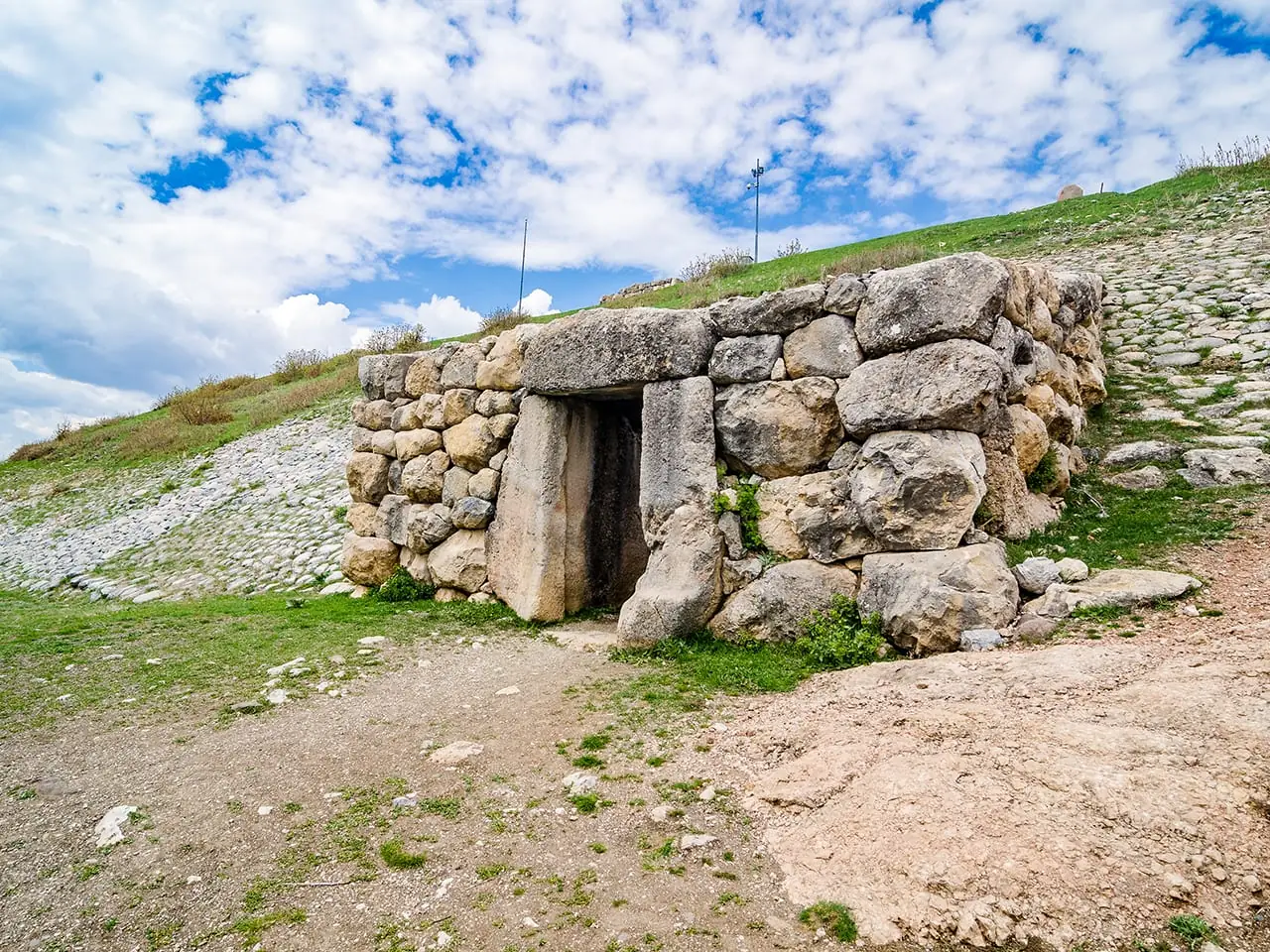
Situated in central Anatolia, Hattuşa served as the political and cultural center of the Hittite Empire during its peak from the 17th to 13th centuries BCE. It played a crucial role in shaping the history of ancient Near East, as it was not only a thriving city but also a powerful kingdom that extended its influence over vast territories. The importance of Hattuşa lies in its strategic location, which allowed the Hittites to control major trade routes and establish diplomatic relationships with neighboring civilizations. Moreover, Hattuşa was renowned for its advanced urban planning and architectural achievements, including its massive fortifications, temples, palaces, and underground tunnels. These structures not only showcased the grandeur and sophistication of the Hittite civilization but also reflected their social hierarchy and religious beliefs.
The rediscovery of Hattuşa provides invaluable insights into the history and culture of this enigmatic empire, shedding light on their governance system, military strategies, economic activities, religious practices, and daily life. By understanding this historical context and unraveling the mysteries surrounding Hattuşa’s past glory, we can gain a deeper appreciation for the significance of this ancient capital in shaping one of the most influential empires in antiquity.
The Rediscovery of Hattuşa
The long-lost city that emerged from the depths of history provides a captivating glimpse into a civilization that once wielded immense power and influence over vast territories. The rediscovery of Hattuşa, the enigmatic capital of the Hittite Empire, has shed light on a multitude of aspects regarding this ancient civilization. Through archaeological excavations and meticulous research, scholars have uncovered intriguing details about Hattuşa’s political system, religious practices, social structure, and daily life. This newfound knowledge has challenged previous assumptions and offered fresh perspectives on the Hittites’ place in history. As we delve deeper into the mysteries of Hattuşa, it becomes apparent that this ancient city was not just a forgotten relic but a thriving hub of innovation and cultural exchange. Its rediscovery invites us to explore the complex interactions between different civilizations during this time period and reevaluate our understanding of ancient societies.
With each new excavation, new pieces are added to the puzzle that is Hattuşa, painting an ever clearer picture of its grandeur and significance in human history. Transitioning into the subsequent section about Hattuşa’s architecture and urban planning, we will now examine how these discoveries have shaped our understanding of the physical layout and design principles behind this remarkable city.
Hattuşa’s Architecture and Urban Planning
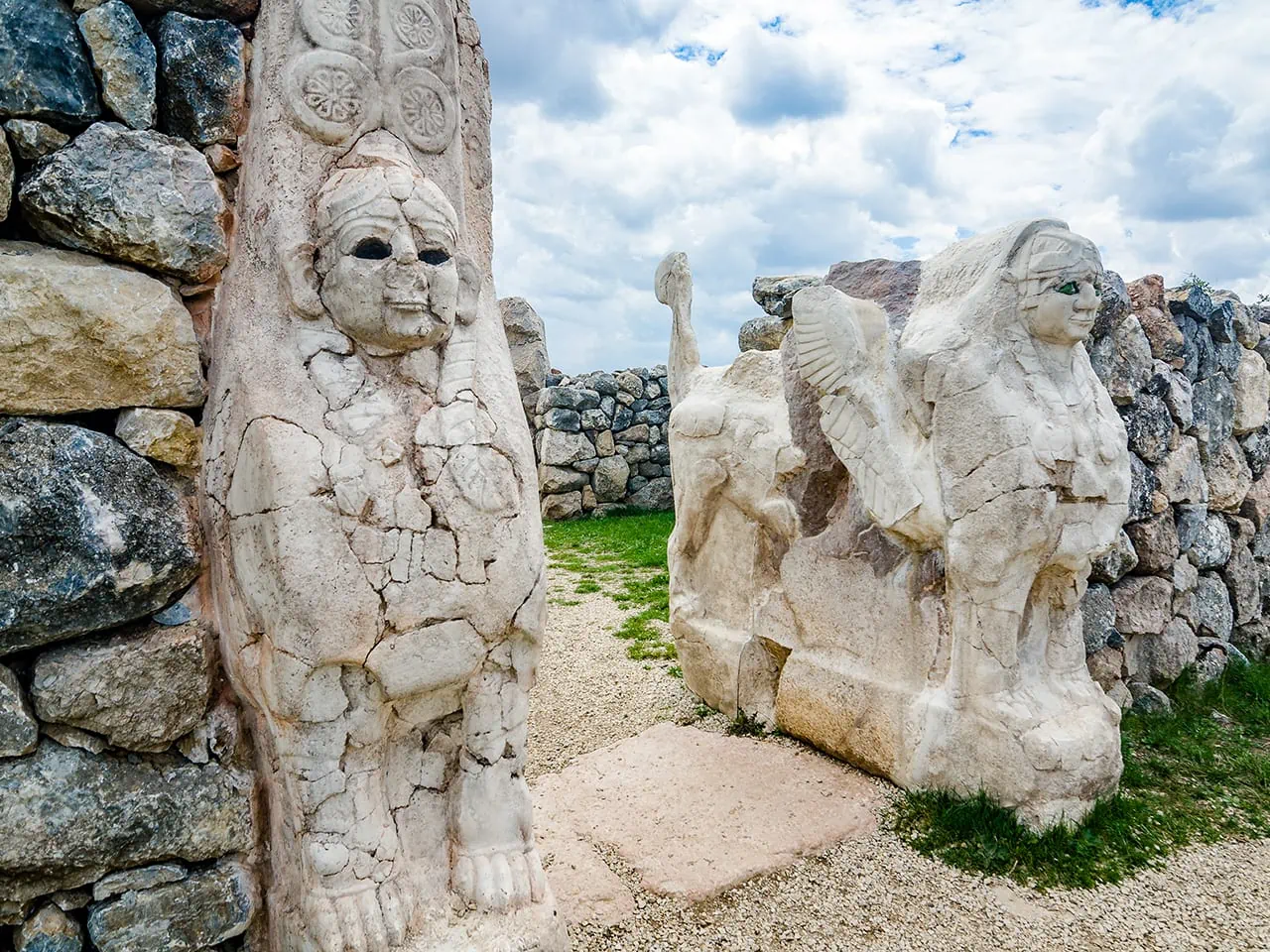
After the rediscovery of Hattuşa, extensive archaeological research has shed light on the impressive architecture and urban planning of this ancient capital. The city was meticulously designed with wide streets, well-organized neighborhoods, and grand ceremonial spaces. The architectural style of Hattuşa is characterized by large stone buildings adorned with intricate carvings and reliefs, showcasing the artistic skills of the Hittite civilization. The layout of the city reflects a sophisticated understanding of urban planning, with carefully arranged residential areas, administrative centers, and religious precincts.
This meticulous attention to detail demonstrates the Hittites’ commitment to creating a functional and aesthetically pleasing capital. Through their architectural choices, they aimed to project power and authority while providing practical solutions for everyday life in Hattuşa. As we delve into the next section about Hattuşa’s defensive fortifications, we will explore how these architectural marvels were also instrumental in protecting the enigmatic capital from external threats.
Hattuşa’s Defensive Fortifications
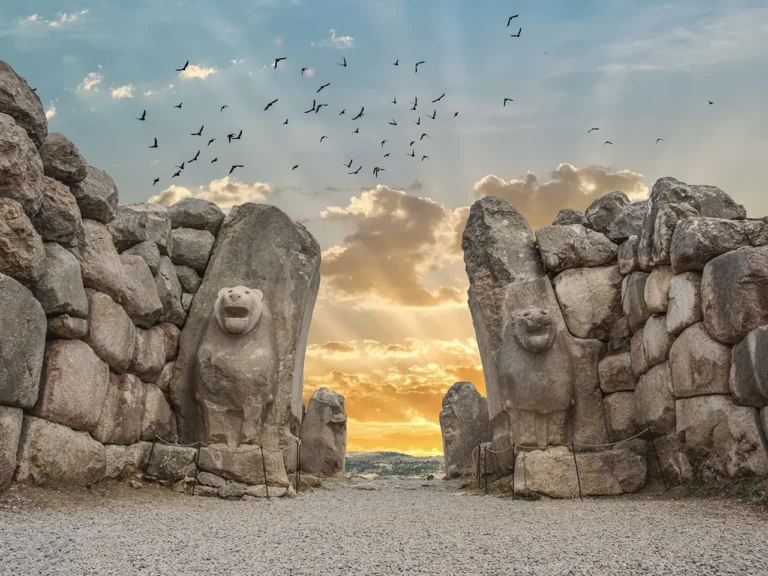
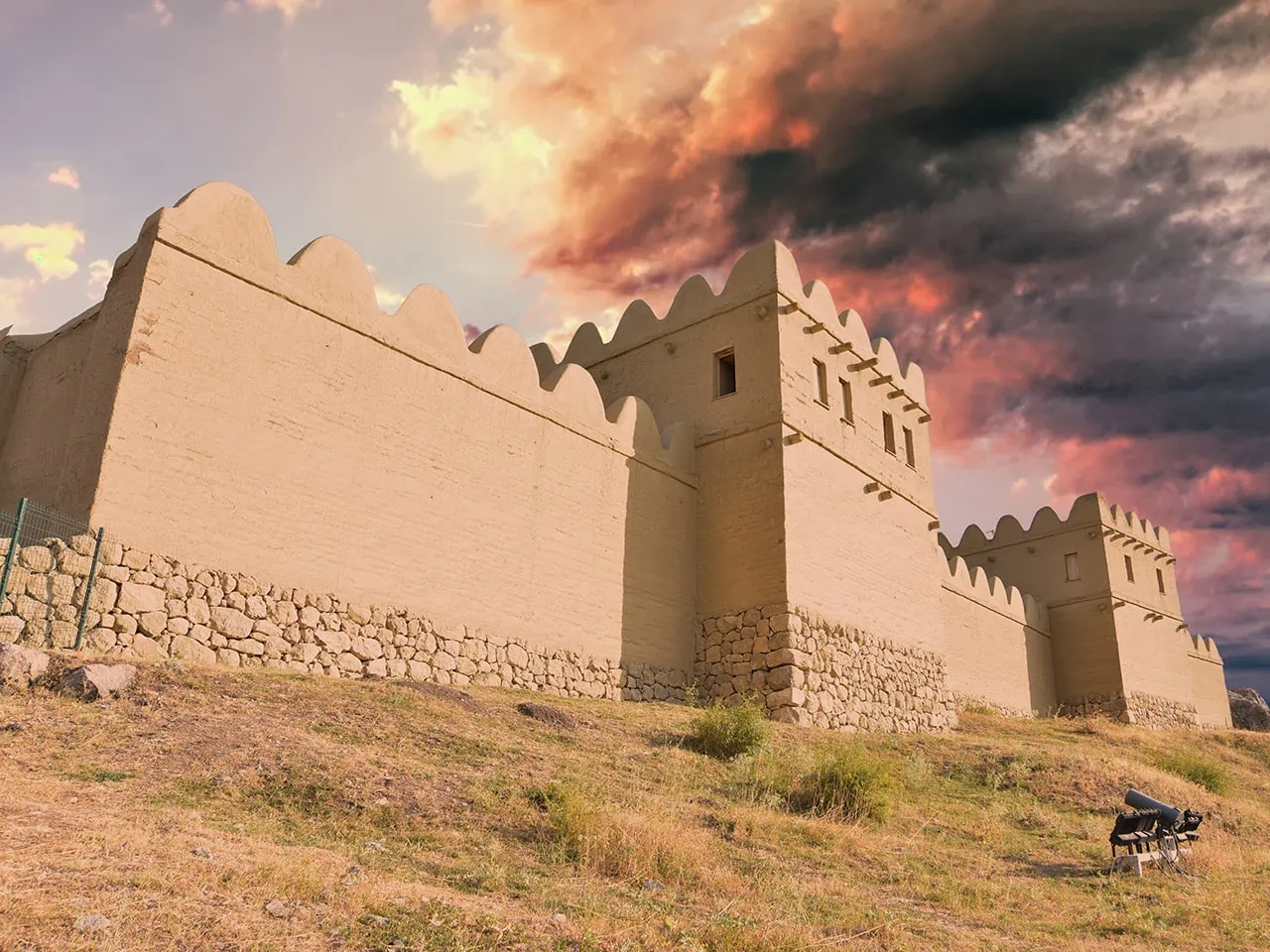
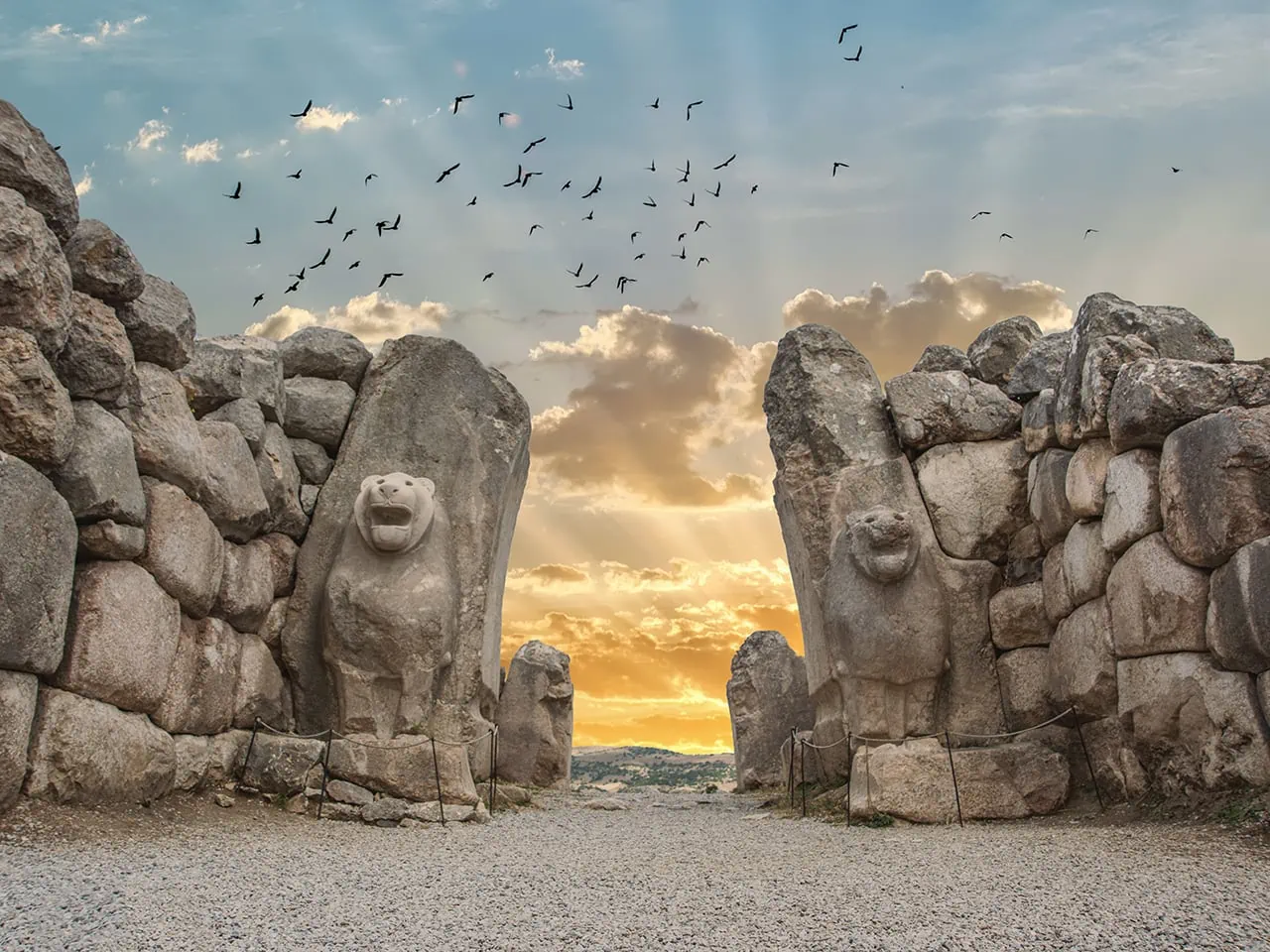
Hattuşa’s defensive fortifications were meticulously constructed with towering walls, sturdy gates, and strategically placed watchtowers, forming an impenetrable barrier that safeguarded the ancient city from potential invaders. These fortifications not only provided physical protection but also served as a symbol of Hittite power and authority. The massive walls, built using advanced engineering techniques, were designed to withstand attacks and deter any enemy forces. Sturdy gates controlled access points into the city, allowing for efficient monitoring and regulation of people and goods entering or leaving. Strategically positioned watchtowers provided a vantage point for surveillance and early warning against approaching threats. The meticulous planning and execution of these defensive structures reflect the military prowess and strategic thinking of the Hittite Empire, ensuring the safety of Hattuşa’s inhabitants during times of conflict. Transitioning into the subsequent section about ‘life and society in Hattuşa’, it is important to understand how these fortified defenses shaped the daily lives of its residents and contributed to the overall functioning of this enigmatic capital.
Life and Society in Hattuşa
Life and society in Hattuşa were shaped by the presence of formidable defensive fortifications, which not only protected the city but also influenced the daily routines and interactions of its residents. The massive walls and gates surrounding Hattuşa created a sense of security, allowing the inhabitants to go about their lives without constant fear of external threats. These fortifications served as a physical barrier against potential invaders, creating a boundary between the outside world and the inner workings of the city. Within these walls, Hattuşa’s residents developed a vibrant social structure that revolved around communal activities and shared spaces.
Public squares, temples, and marketplaces became central hubs for social interaction, where people from all walks of life could come together to exchange goods, ideas, and stories. The defensive nature of Hattuşa also fostered a strong sense of community among its residents as they relied on each other for support and protection.
Hattuşa’s Royal Archives
The royal archives of Hattuşa were akin to a labyrinthine treasure trove, housing a wealth of historical records and cultural artifacts that illuminated the intricacies of this ancient civilization. Within these archives, researchers have discovered a multitude of clay tablets inscribed with the cuneiform script, providing invaluable insights into the political, social, and economic aspects of Hittite society. These texts include official correspondences between kings and foreign dignitaries, legal documents outlining land transactions and contracts, as well as religious texts offering glimpses into the Hittite belief system. Additionally, the archives contained detailed accounts of military campaigns and conquests, shedding light on the expansionist ambitions of the Hittite Empire.
Decline and Legacy of Hattuşa
Despite its once glorious and prosperous existence, the decline of Hattuşa marked a devastating blow to a civilization that had reached unparalleled heights in power and influence. The reasons for the decline are multifaceted, but one significant factor was the invasion and sack of the city by various foreign powers, including the Phrygians and Assyrians. These invasions led to widespread destruction and loss of life, leaving Hattuşa weakened and vulnerable. Additionally, internal conflicts within the Hittite Empire further contributed to its downfall. Political instability, power struggles among different factions, and economic challenges all played a role in undermining the empire’s strength.
Visit Hattuşa: A Traveler’s Guide
A journey through the ancient ruins of Hattuşa offers an immersive experience into a civilization’s rise and fall, unveiling the grandeur of its past and providing a deeper understanding of historical patterns. As visitors explore the remnants of this enigmatic capital of the Hittite Empire, they are transported back in time to a period when Hattuşa was the center of power and culture. The city’s strategic location, surrounded by formidable fortifications and adorned with impressive temples and palaces, showcases the architectural prowess of the Hittites. By examining these structures, one can gain insights into their advanced engineering techniques and artistic sensibilities.
What to know before visiting Hattuşa?
Before embarking on a journey to explore the ancient ruins of Hattuşa, it is essential for visitors to familiarize themselves with some important aspects. Hattuşa, the enigmatic capital of the Hittite Empire, holds a rich history and cultural significance that can greatly enhance one’s experience. The city was once a thriving metropolis and the political center of an empire that rivaled Egypt and Assyria. As such, it was home to an advanced civilization with impressive architectural achievements, intricate artistry, and a complex social structure.
Visitors should be prepared to witness the remnants of monumental structures such as temples, palaces, and fortifications that showcase the grandeur of this ancient civilization. Additionally, understanding the historical context in which Hattuşa existed can provide valuable insights into its significance and enduring legacy. The Hittites were renowned for their military prowess and diplomacy skills, as well as their contributions to language development through their use of cuneiform script. Exploring these aspects can deepen one’s appreciation for Hattuşa’s place in history.