






The History and Significance of Hacı Bektaş Veli
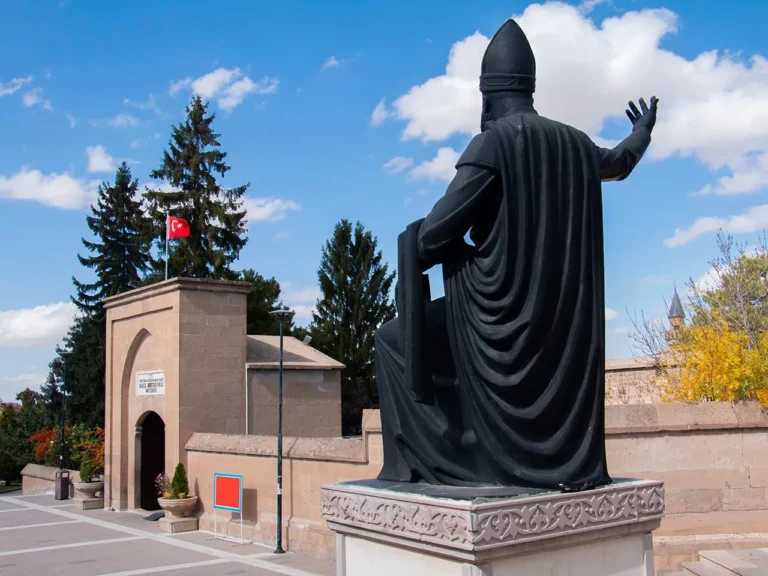
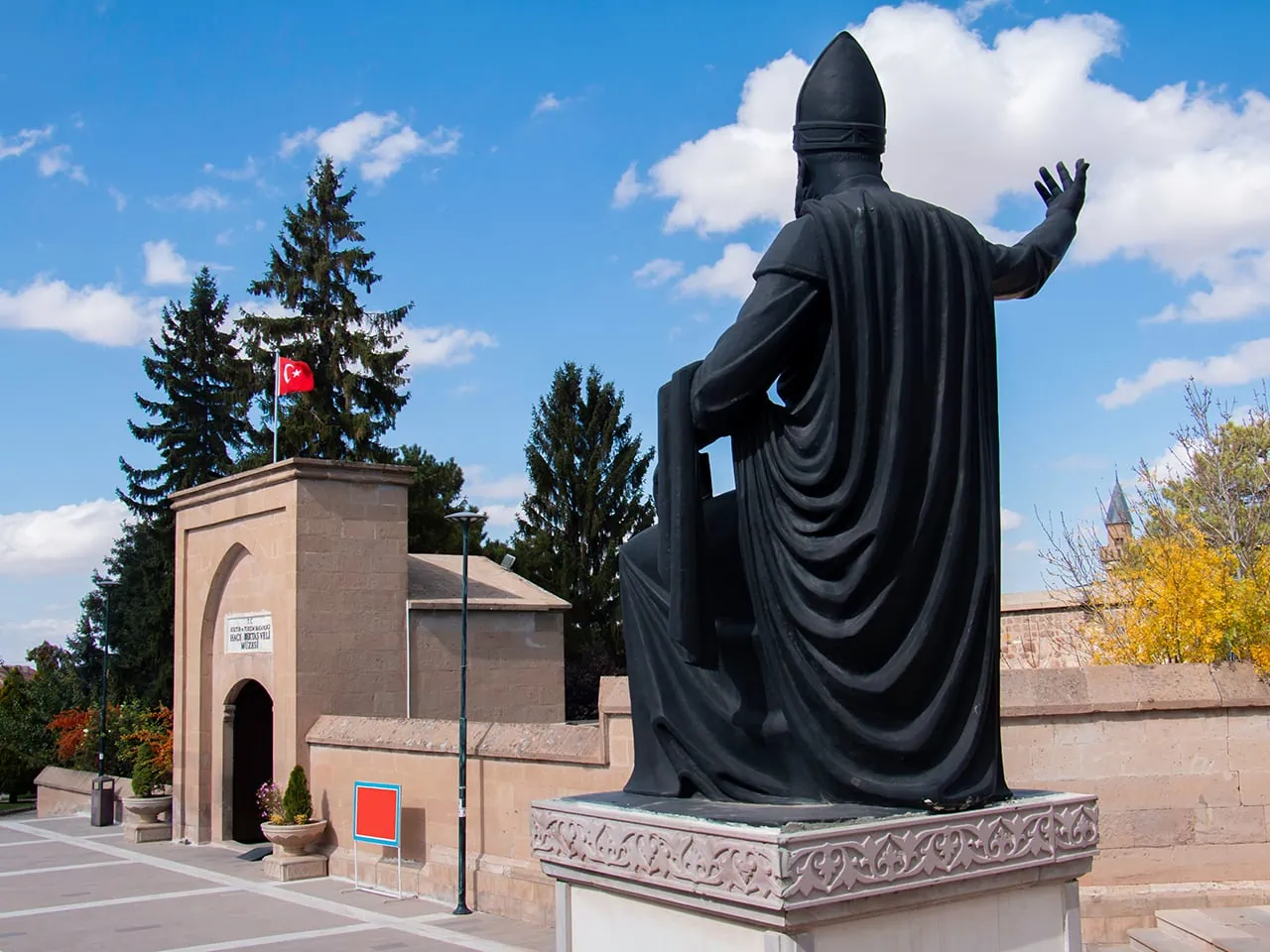
The history and significance of Hacı Bektaş Veli, a prominent figure in the Turkish Alevi-Bektashi tradition, is a topic that highlights the cultural and religious diversity of Anatolia. Born in the late 13th century, he spent most of his life spreading his teachings throughout Anatolia. He was known for his inclusive approach to spirituality, which welcomed people from all walks of life and religions. Hacı Bektaş’s teachings had a profound influence on Turkish culture and society. His emphasis on egalitarianism and social justice became an important aspect of the Alevi-Bektashi belief system. His legacy can be seen in many aspects of Turkish culture, including music, literature, art, and architecture. Many famous poets such as Yunus Emre were influenced by Hacı Bektaş’s ideas. Today, Hacı Bektaş Veli is still revered as one of Turkey’s most important spiritual figures. The complex named after him attracts thousands of visitors every year who come to pay their respects to this great teacher. Exploring the Hacı Bektaş Veli complex allows visitors to gain insight into the rich cultural heritage that has developed over centuries in Anatolia without losing sight of its universal values that emphasize human dignity and equality.
Exploring the Hacı Bektaş Veli Complex
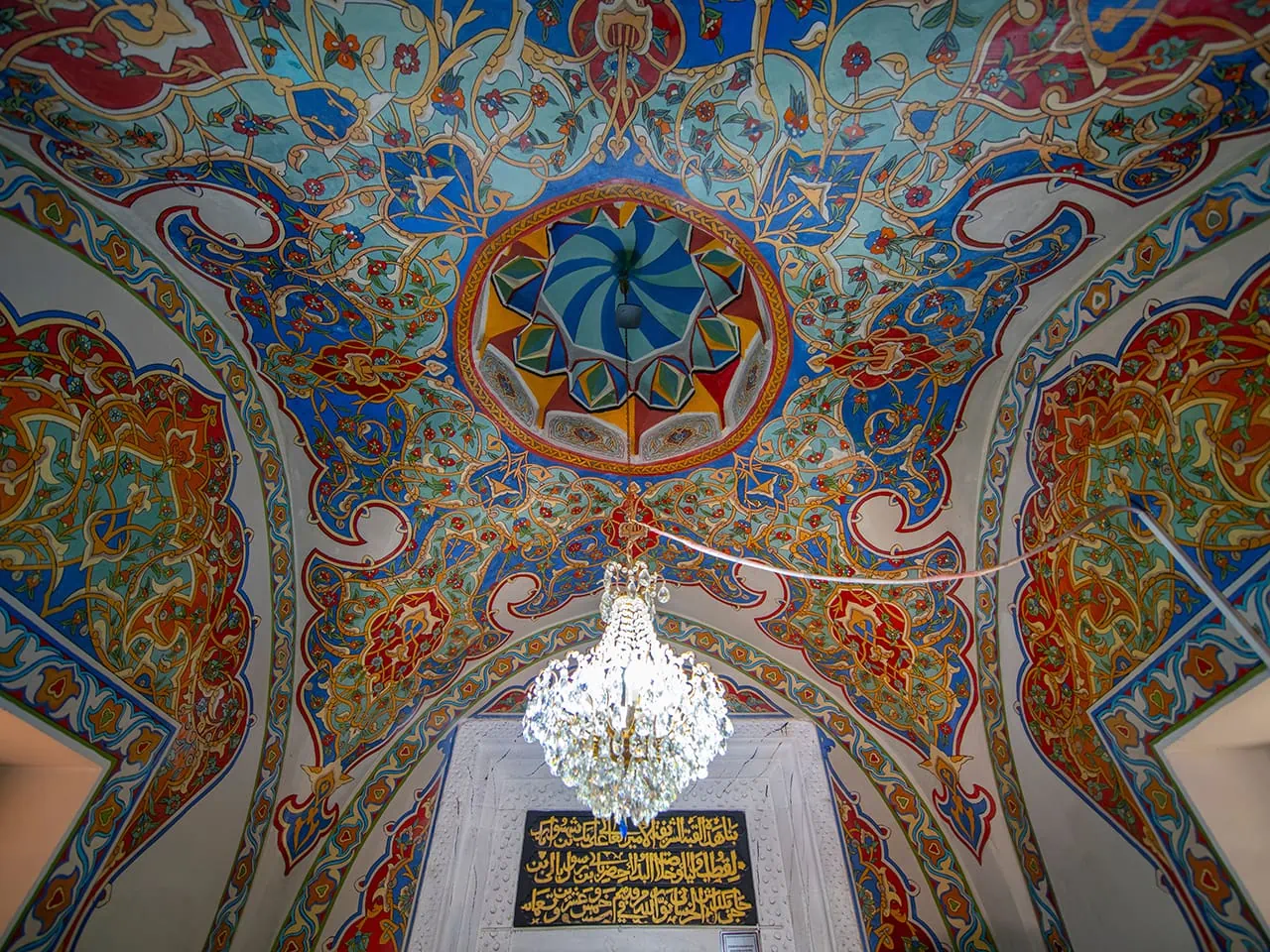
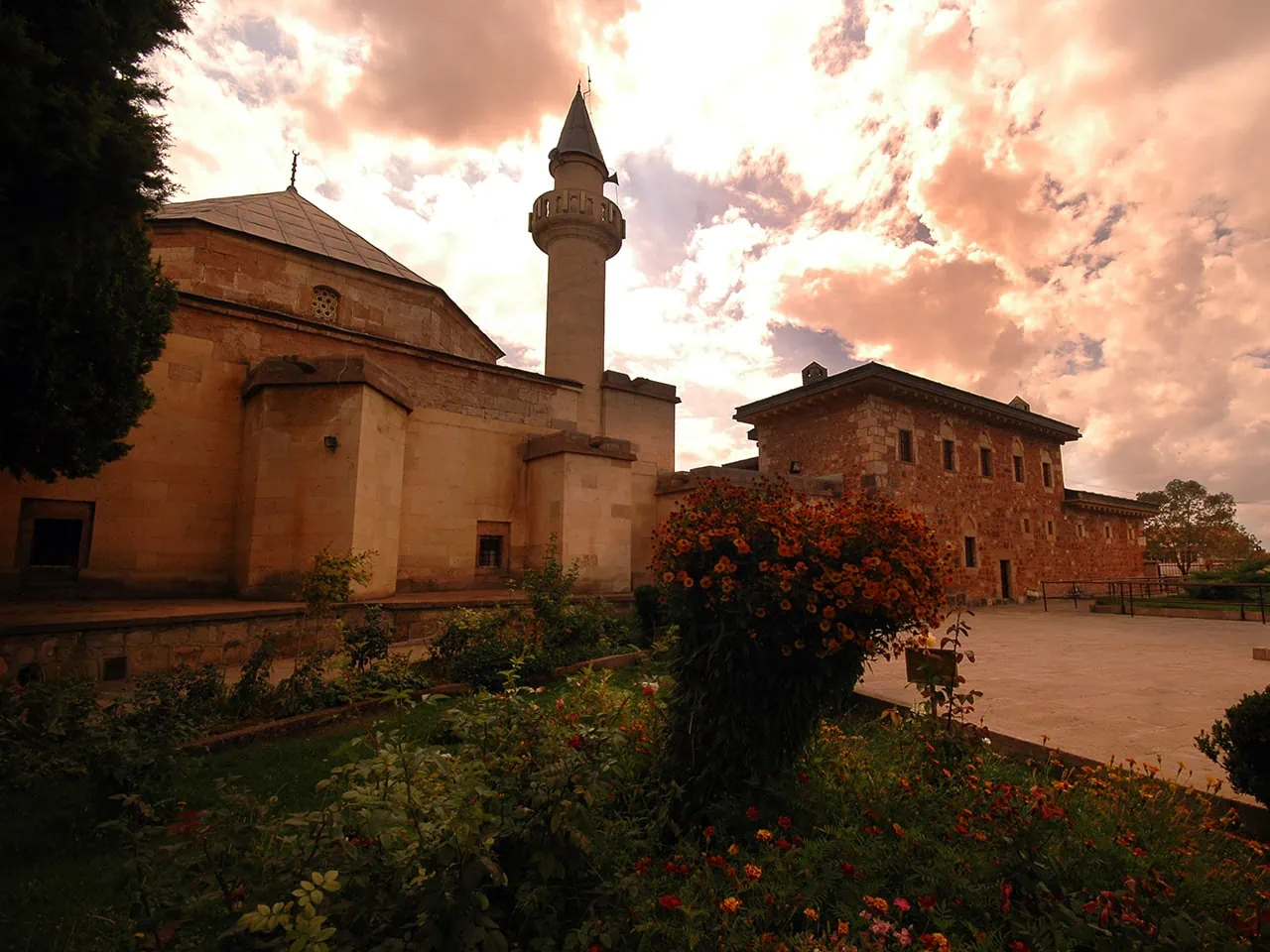
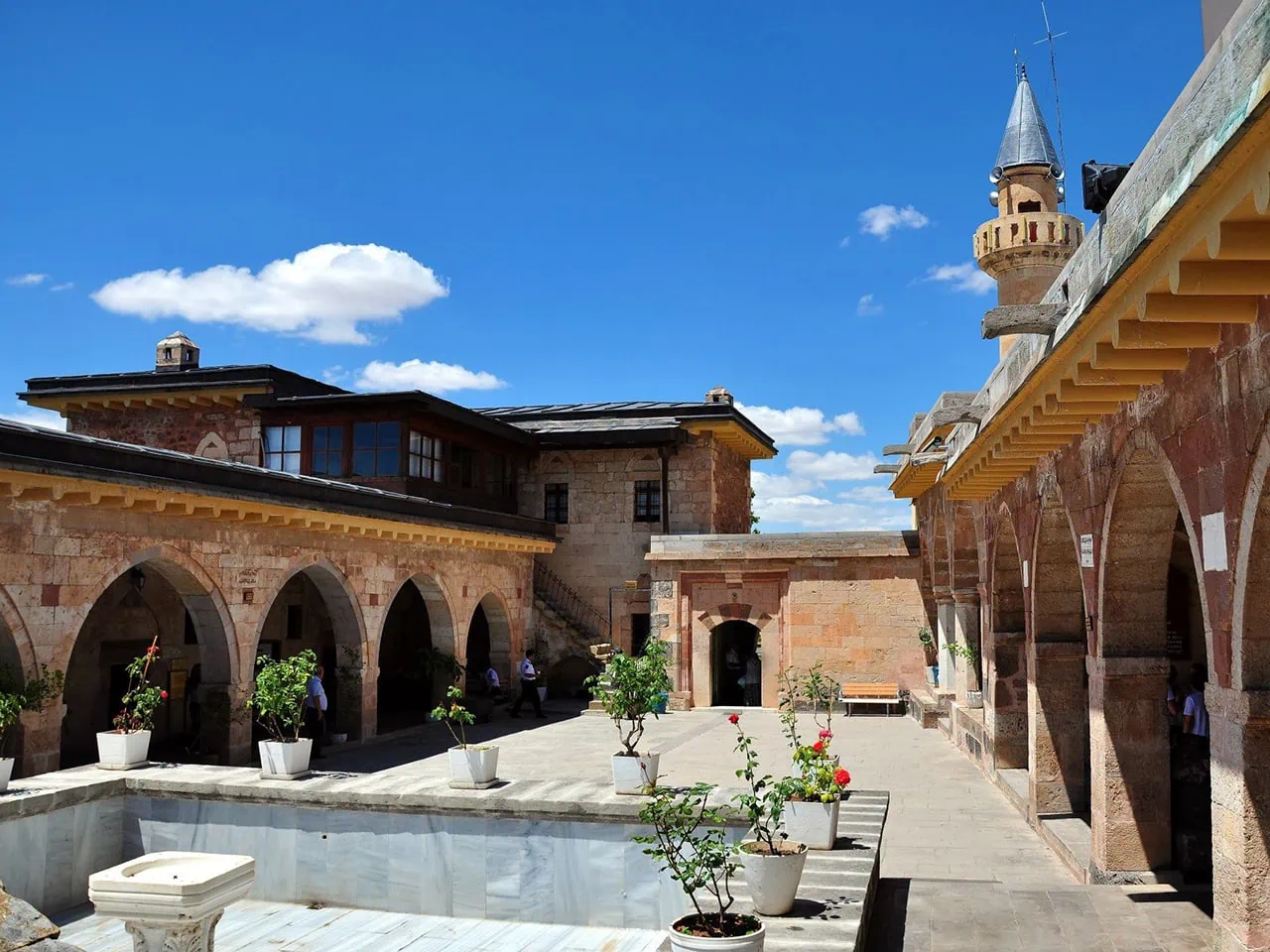
One of the most significant landmarks in this region is the complex dedicated to the venerated figure Hacı Bektaş Veli. The complex is a pilgrimage site for those who adhere to Sufi practices, and it is a testament to the rich cultural traditions of Turkey. The architectural marvels within the complex are awe-inspiring, with intricate details and beautiful geometric patterns. Visitors can explore four main buildings within the complex: the mosque, dergah (Sufi lodge), hamam (bathhouse), and library. The mosque features traditional Ottoman architecture, with domes and minarets adorning its exterior. Inside the dergah, visitors can witness Sufi rituals and ceremonies that have been practiced here for centuries. The hamam was once used by pilgrims for cleansing before prayer, while the library holds an impressive collection of manuscripts and books related to Islamic studies. Overall, exploring Hacı Bektaş Veli Complex provides a unique opportunity to learn about Turkish history and culture. Visitors can witness firsthand how Sufi practices have shaped society in this region, and see some of Turkey’s most impressive architectural feats up close. Next up is ‘the hacıbektaş veli museum: a treasure trove of artifacts and knowledge’, where visitors can discover even more about this fascinating historical figure.
The Hacıbektaş Veli Museum: A Treasure Trove of Artifacts and Knowledge
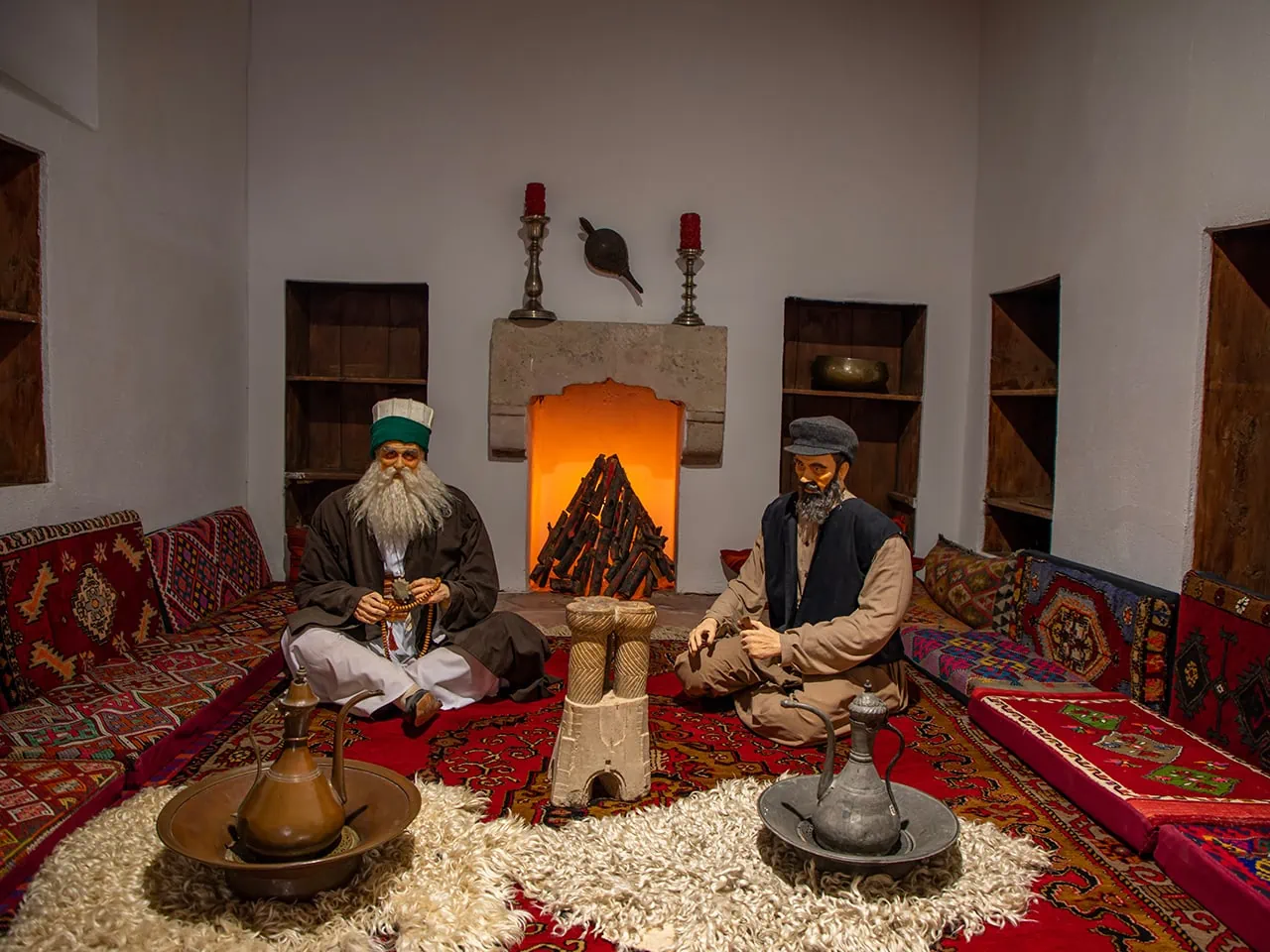
Exploring the museum dedicated to the venerated figure Hacı Bektaş Veli offers visitors a fascinating glimpse into his life and legacy through an impressive collection of artifacts and documents. The Hacıbektaş Veli Museum boasts an array of interactive exhibits that engage visitors in a hands-on, educational experience. These exhibits allow visitors to fully immerse themselves in the mystical world of Hacı Bektaş Veli, learning about his teachings and beliefs. The museum’s collection includes numerous mystical artifacts that offer insight into the revered figure’s spiritual practices. Visitors can explore rooms filled with objects such as prayer rugs, calligraphy, and personal belongings of Hacı Bektaş Veli himself. Additionally, there are displays showcasing documents related to his teachings as well as those from contemporary scholars who have studied his work. Overall, visiting the Hacıbektaş Veli Museum is a unique opportunity for anyone seeking to learn more about this important historical figure and his impact on Turkish society. With its interactive exhibits and vast collection of mystical artifacts, this museum provides an unparalleled educational experience for all who enter its doors. Transitioning into the subsequent section on ‘hacıbektaş: a pilgrimage destination for spiritual seekers,’ it is clear that visiting this museum is just one aspect of understanding the deep significance of Hacı Bektaş Veli for many people today. As we continue our exploration of this topic, we will delve further into why so many individuals still make pilgrimages to this sacred site in search of spiritual enlightenment.
Hacıbektaş: A Pilgrimage Destination for Spiritual Seekers
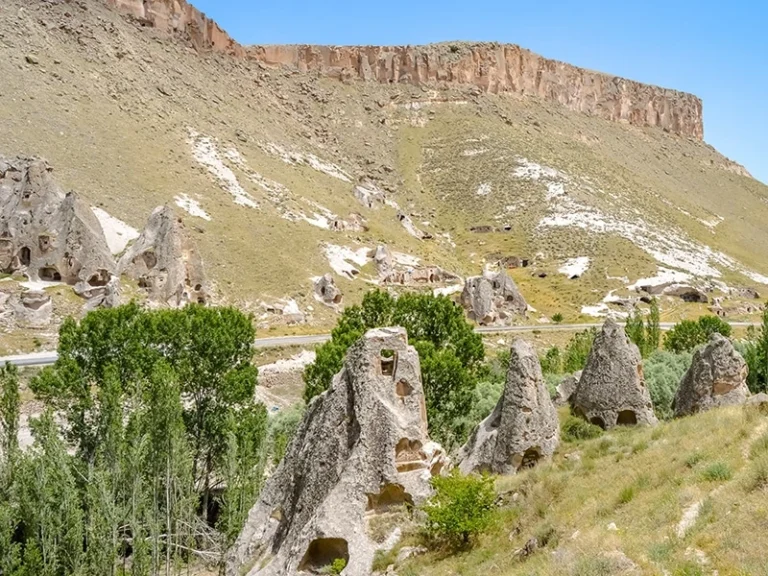
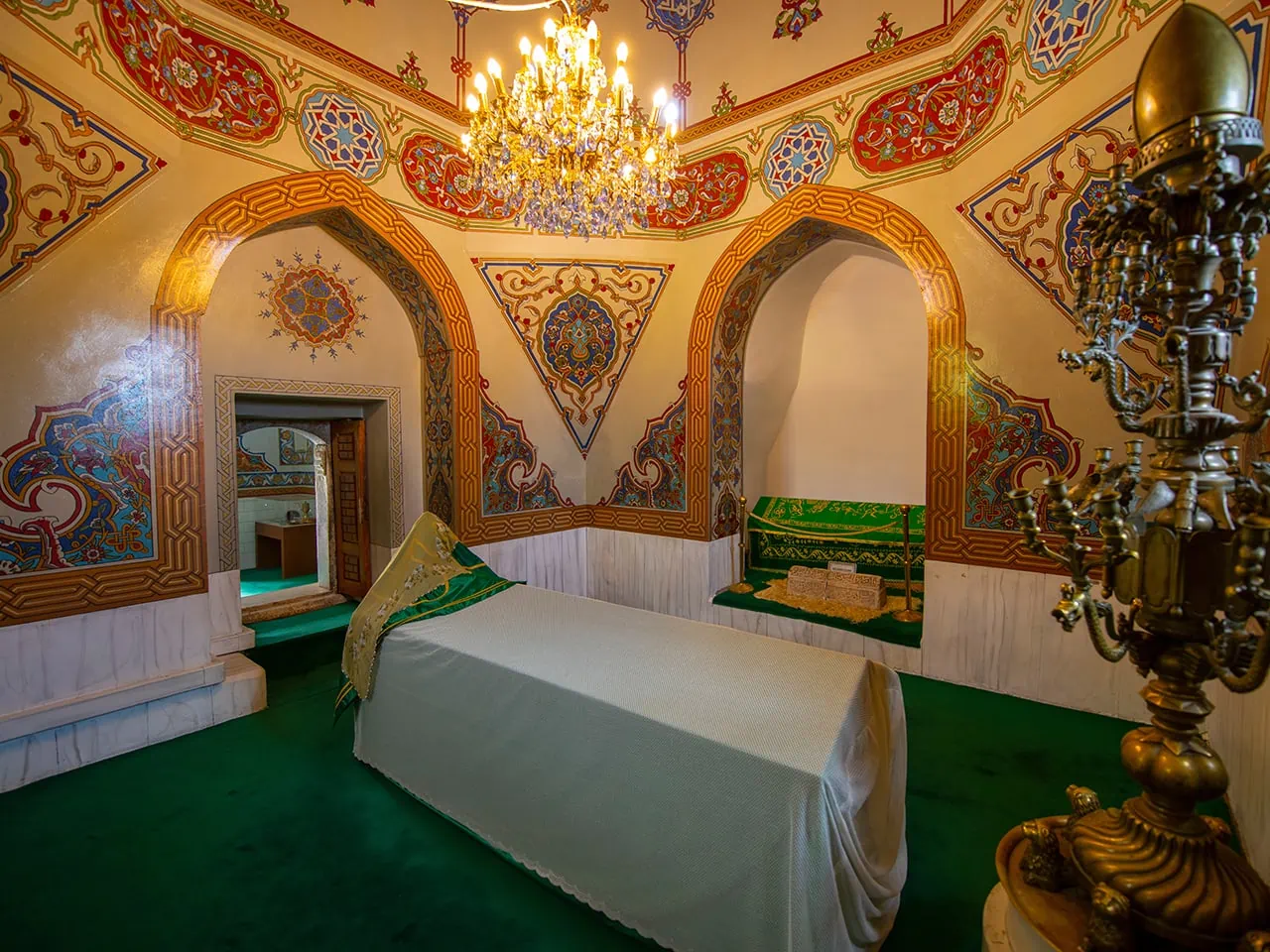
Pilgrimage to the spiritual destination of Hacıbektaş is a significant aspect of Turkish culture, attracting seekers from all over the world in search of enlightenment and guidance. The town’s Sufi practices, including meditation, chanting, and whirling dervish ceremonies, offer visitors the opportunity to deepen their spiritual experiences. The pilgrimage rituals are deeply rooted in Anatolian traditions and provide an excellent example of how cultural heritage can be preserved through religious practices. The town’s main attraction is the mystical tomb of Hacı Bektaş Veli, an influential figure in Turkish history who founded a Sufi order that still thrives today. Pilgrims visit his tomb to pay their respects and seek blessings for themselves and their loved ones. Visitors can also explore the surrounding area with its beautiful landscapes dotted with small chapels and shrines. For those seeking an authentic experience, pilgrims can participate in communal meals served at local mosques or tekkes (Sufi lodges), where they can taste traditional Anatolian Sufi gastronomy. These meals are more than just food; they represent a deep connection between spirituality and sustenance. As such, Hacıbektaş cuisine offers a unique insight into the region’s cultural heritage that is both delicious and enlightening.
Hacıbektaş Cuisine: Tasting the Flavours of Anatolian Sufi Gastronomy
The intersection of religion and food can be seen in the cuisine of Hacıbektaş, providing a unique insight into the region’s cultural heritage. The town is known for its Anatolian spices, traditional recipes, and culinary techniques that have been passed down through generations of Sufi communities. The cuisine reflects the values of the community, emphasizing simplicity, hospitality, and spiritual nourishment. One of the hallmarks of Hacıbektaş cuisine is its use of locally sourced ingredients and spices. Many dishes feature lamb or beef as their main ingredient, which are typically raised in the surrounding countryside. These meats are often cooked slowly over an open flame or roasted in a wood-fired oven to enhance their natural flavors. To further accentuate these flavors, cooks add a range of herbs and spices such as cumin, coriander, paprika, mint leaves to create a rich tapestry of flavors on each plate. Another defining characteristic of Hacıbektaş cuisine is its emphasis on traditional recipes that have been handed down from generation to generation. Many dishes have remained unchanged for centuries and offer visitors an authentic taste experience that cannot be found elsewhere. Culinary techniques such as slow-cooking stews or baking bread in clay ovens are still used today by local cooks who take pride in preserving their culinary heritage. Overall, Hacıbektaş cuisine offers visitors an opportunity to taste the rich history and culture that has shaped this Anatolian town over many centuries.
Conclusion
Hacıbektaş is a town located in the central Anatolian region of Turkey and holds great significance for those who seek spiritual enlightenment. The town is named after Hacı Bektaş Veli, a prominent Sufi saint and philosopher who lived during the 13th century. His teachings emphasize love, compassion, and tolerance towards all beings, regardless of their religion or social status. The Hacı Bektaş Veli Complex serves as a pilgrimage site for people from all over the world. It includes several buildings such as mosques, tombs, and fountains that were built throughout the centuries to honor Hacı Bektaş Veli’s legacy. Moreover, the complex houses valuable artifacts that reveal important aspects of Anatolian Sufism. One of these artifacts is The Hacıbektaş Veli Museum which showcases various items related to Sufism including manuscripts, prayer rugs, musical instruments, and clothing worn by dervishes. Visitors can gain insight into the lifestyle and beliefs of Sufis through these exhibits.
Despite its focus on spirituality, Hacıbektaş also has much to offer gastronomically with its unique cuisine influenced by Anatolian Sufi culture. This food culture emphasizes healthy ingredients such as vegetables and legumes while avoiding meat products. The town’s famous dish ‘mantı’ (Turkish dumplings) is an example of this culinary tradition. While some may argue that seeking spiritual enlightenment should be an internal process rather than visiting pilgrimage sites like Hacıbektaş; it cannot be denied that pilgrimage sites provide a sense of belongingness and community support for individuals who share similar beliefs. Moreover, Hacibekatas offers visitors an opportunity to learn about Turkish Islamic culture from another perspective.
In conclusion, Haci Bektaş Veli’s legacy continues to inspire people around the world seeking spiritual growth. His values of love, tolerance and compassion are as relevant today as they were centuries ago. Hacıbektaş serves as a pilgrimage site for spiritual seekers seeking to learn more about Anatolian Sufism while also providing them with an opportunity to taste the unique flavors of its cuisine. The town’s significance lies in its ability to bring together people from different backgrounds, cultures, and beliefs under one roof. It offers visitors an opportunity to gain knowledge about Turkish Islamic culture in a way that is both educational and fulfilling.