




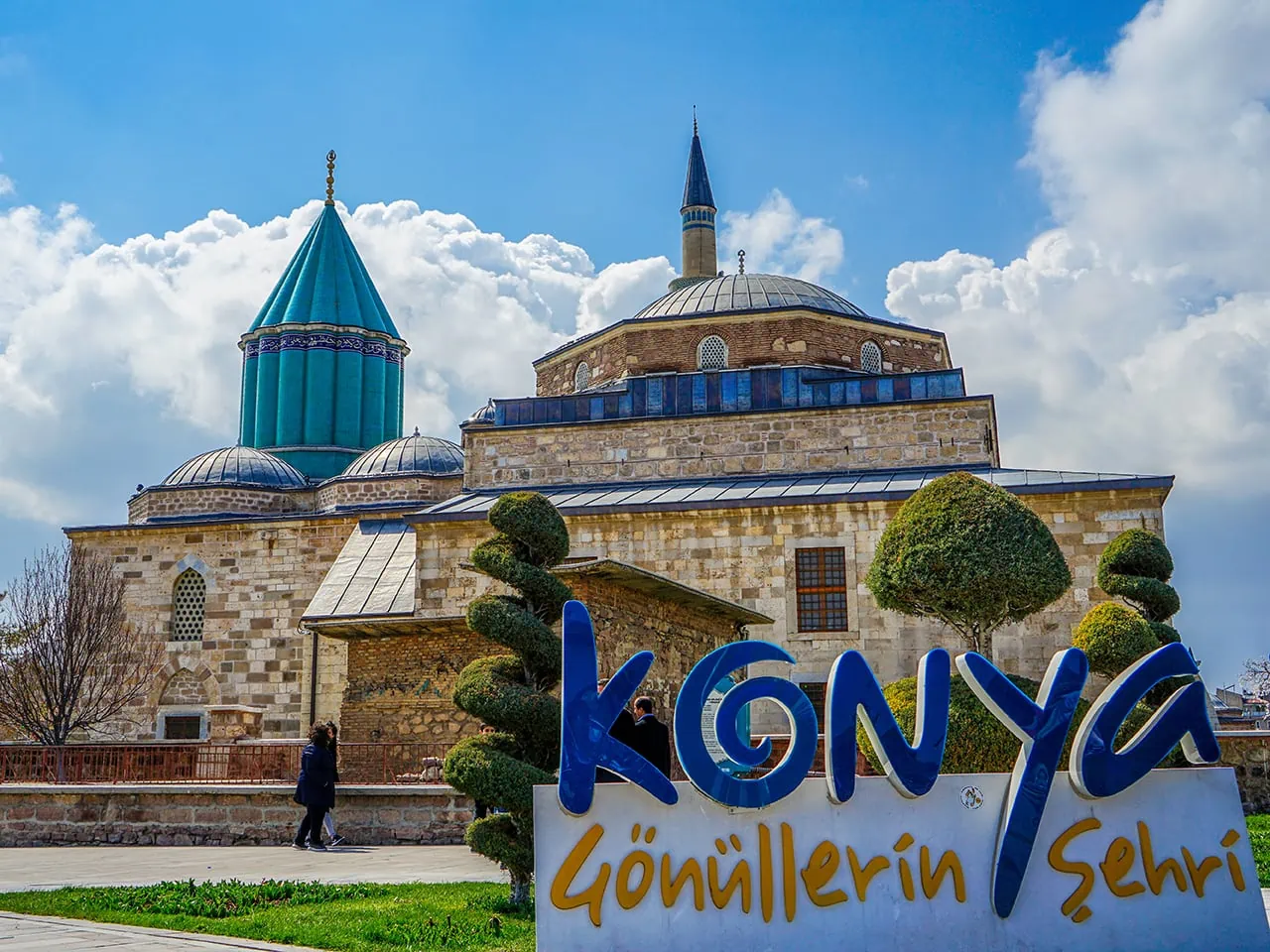
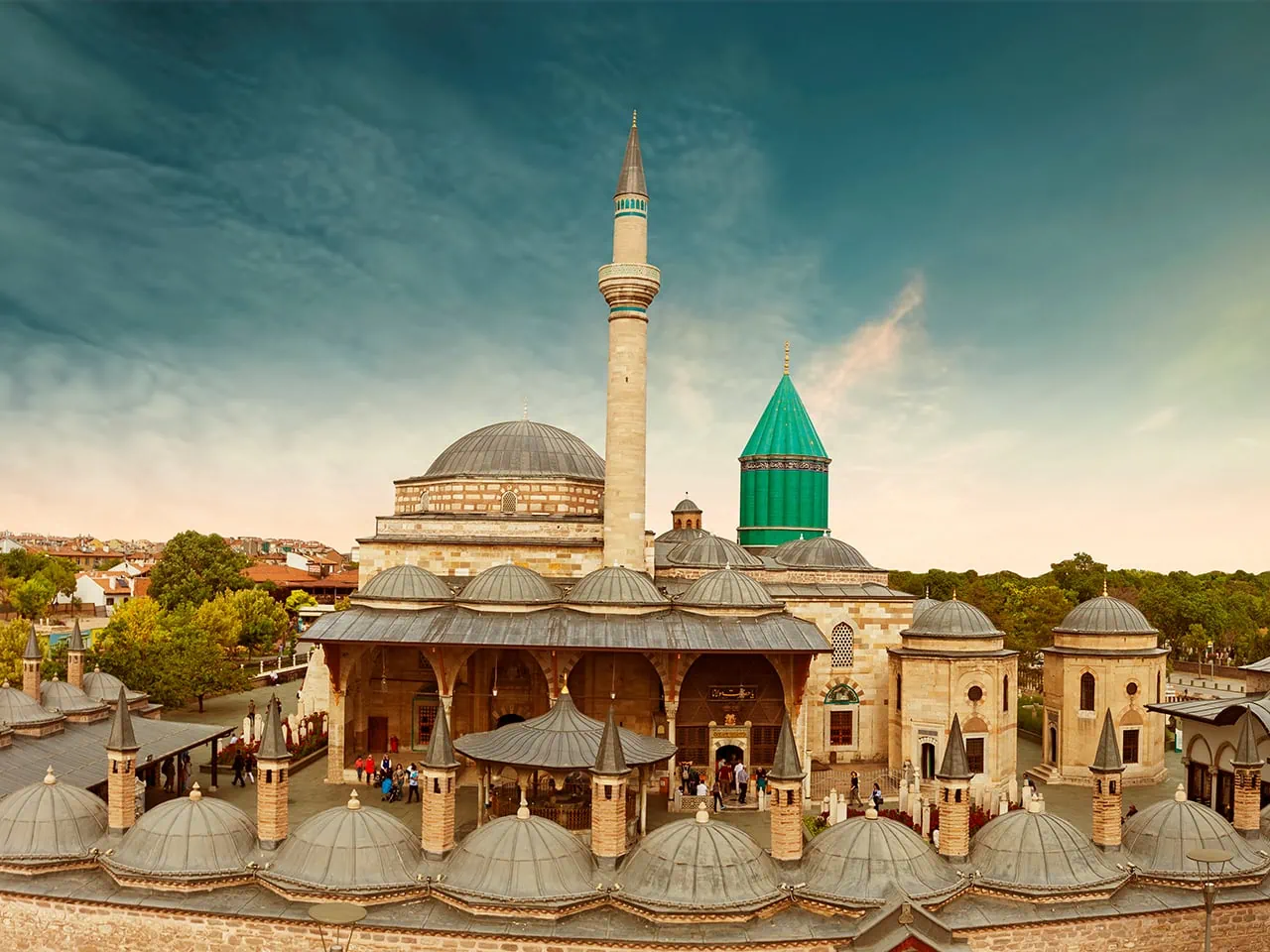
Konya, a city located in central Turkey, is a place of great historical and cultural significance. Its roots go back to the ancient times of Anatolia, making it one of the oldest continuously inhabited cities in the world. Konya served as an important center for many civilizations throughout history, including the Hittites, Persians, Romans, and Byzantines. One aspect that distinguishes Konya from other cities in Turkey is its traditional arts. The city has been known for centuries for its beautiful carpets and kilims (tapestry-woven rugs), which are still produced by local artisans using traditional methods. Another notable tradition is Mevlevi Sufism, which originated in Konya in the 13th century and is celebrated through music and dance performances during the annual Festival of Konya.
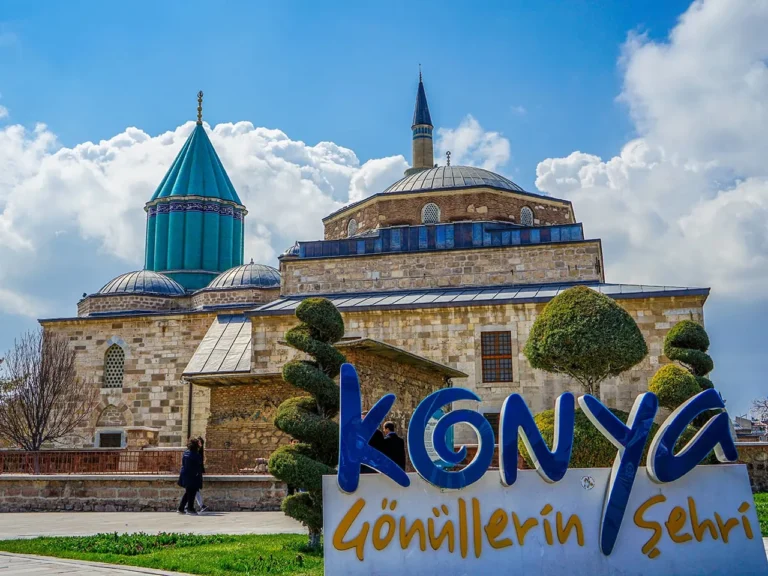
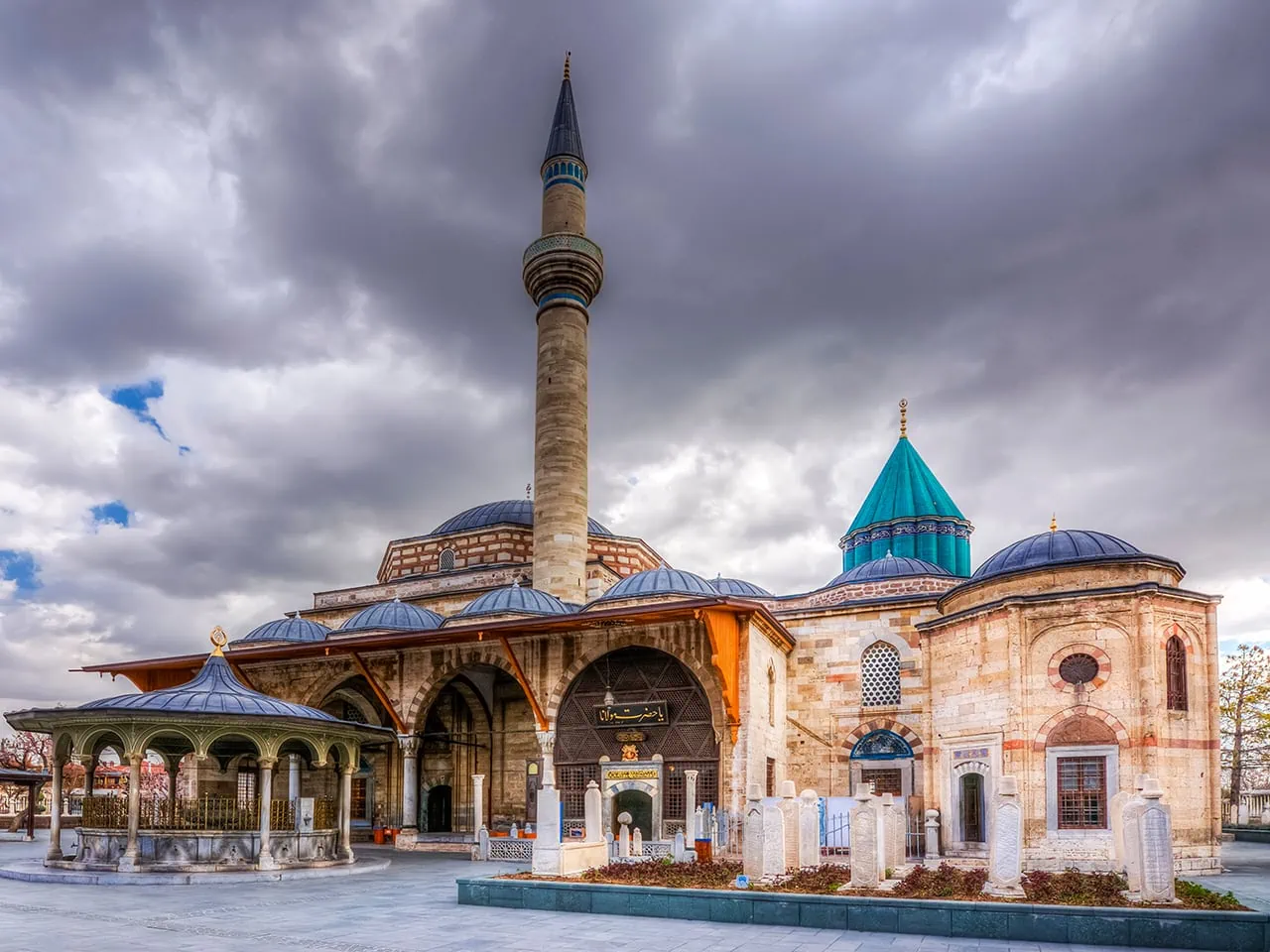
Konya’s historical significance is reflected in its many landmarks and monuments. One such monument is the Alaeddin Mosque, which was built on top of a hill overlooking the city during the Seljuk period. Another impressive structure is the Mevlana Museum complex, which contains the tomb of Rumi (also known as Mevlana), one of Islam’s most revered mystics and poets. Exploring Konya’s architecture and landmarks offers visitors a chance to delve into Turkey’s rich history while discovering hidden gems along their journey.
Exploring Konya’s Architecture and Landmarks
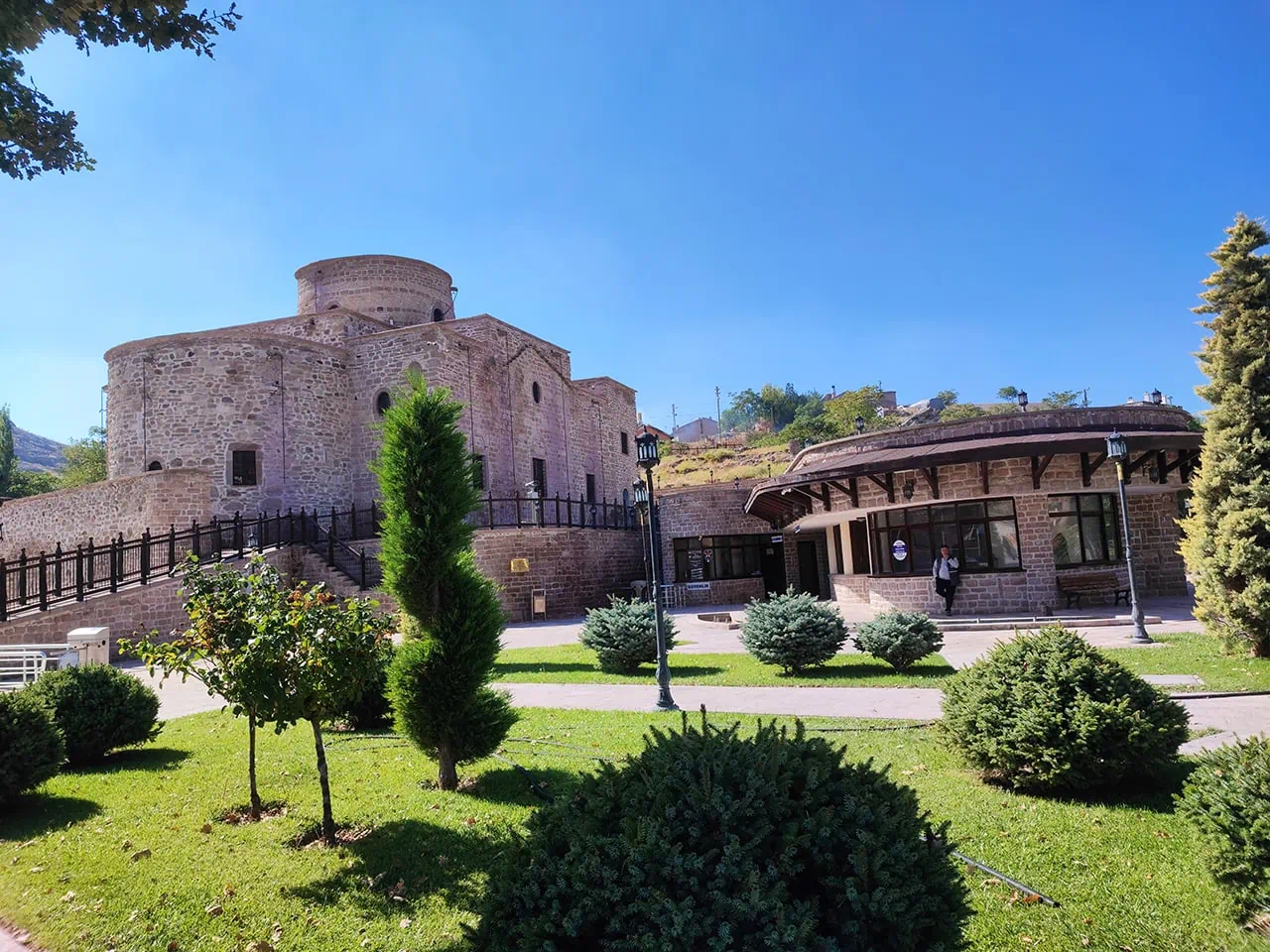
The architectural style of the buildings and landmarks in Konya reflects a rich history and cultural significance. One of the most prominent examples is the Mevlana Museum, which houses the mausoleum of Jalaluddin Rumi, a famous Persian poet and Sufi mystic. The museum’s architecture draws inspiration from both Seljuk and Ottoman styles, with its imposing dome and intricate tile work. Another architectural marvel in Konya is the Alaaddin Mosque, which stands on a hill overlooking the city. The mosque was built during the reign of Sultan Alaaddin Keykubad I in 1221-1238 AD and features an impressive minaret that can be seen from afar.
Visitors can explore its beautiful interior adorned with calligraphy, geometric patterns, and colorful stained glass windows. Cityscape photography enthusiasts will also enjoy capturing images of Konya’s impressive skyline dotted with historical landmarks such as the Ince Minaret Medrese, Karatay Medrese, and Aziziye Mosque. These buildings showcase unique architectural characteristics that reflect their respective time periods while still maintaining their relevance to modern-day Konya. Exploring these iconic structures offers an opportunity to learn about Konya’s past while admiring its present beauty. After indulging in this feast for the eyes, visitors can then move on to indulge in another type of feast by experiencing Konya’s delicious cuisine without missing a beat!
Indulging in Konya’s Delicious Cuisine
Additionally, exploring the culinary delights of Konya provides insight into the unique flavors and cooking techniques of a bygone era. The city’s cuisine is heavily influenced by the local flavors and culinary traditions that have been passed down through generations. From mouth-watering kebabs to sumptuous stews, Konya offers a variety of dishes that are sure to please any palate. One of the most popular dishes in Konya is ‘etli ekmek,’ which translates to meat bread. It consists of a thin crust topped with spiced minced lamb or beef, tomatoes, onions, peppers, and herbs. Another must-try dish is ‘pide,’ a type of Turkish flatbread baked in a wood-fired oven and topped with cheese, vegetables, or meat. For dessert lovers, there’s ‘baklava,’ a sweet pastry made with layers of phyllo dough filled with chopped nuts and syrup. In addition to its delicious food delights, Konya also boasts traditional tea houses called ‘çay bahçesi’ where locals gather for conversation over cups of tea. These tea houses offer an excellent opportunity to experience authentic Turkish hospitality while sipping on fragrant herbal teas or strong black tea served in small glasses with sugar cubes on the side.
As you enjoy your meal or cuppa at one of these establishments, you’ll get a glimpse into the rich cultural heritage that has kept this city alive for centuries. Indulging in Konya’s Delicious Cuisine is just one way to embrace the legacy left behind by Rumi and other Sufi mystics who once called this city home. By immersing yourself in the region’s food culture and ancient traditions, you can gain deeper insights into what makes this place so unique and fascinating. In our next section about ’embracing the legacy of Rumi: exploring Konya’s Sufi heritage,’ we’ll delve further into the city’s spiritual heritage and the ways in which it has influenced both its past and present.
Embracing the Legacy of Rumi: Exploring Konya’s Sufi Heritage
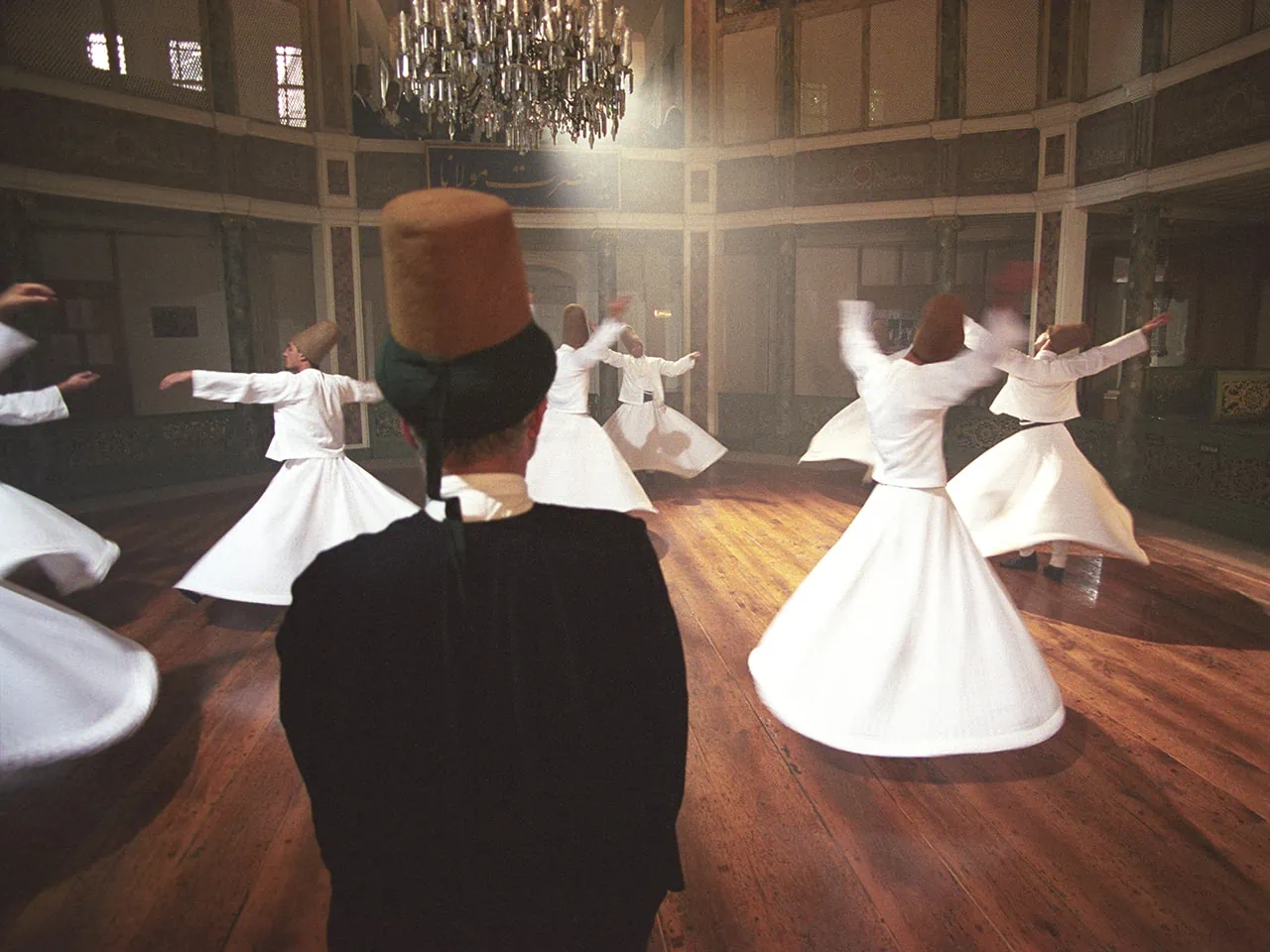
Exploring the mystical realm of Sufism in Konya’s ancient heritage allows one to gain a deeper understanding of the spiritual practices and beliefs that have shaped this city’s identity. The teachings and traditions of Sufism, which emphasizes the pursuit of a mystical connection with God through meditation, music, and poetry, have left an indelible mark on Konya. At the forefront of this spiritual legacy is Rumi, one of the most revered Sufi poets whose influence can still be felt throughout Konya. Rumi’s influence can be seen in various aspects of Konya’s culture. One such example is the Mevlevi Order, also known as the Whirling Dervishes. Founded by Rumi’s followers after his death, this order has become synonymous with Konya and its Sufi traditions. The Whirling Dervishes’ mesmerizing dance represents a form of meditation seeking to attain spiritual enlightenment through physical movement.
Visitors to Konya can witness these spiritual practices firsthand by attending local ceremonies and festivals that celebrate Sufi traditions. One such event is the annual Whirling Dervishes Festival held every December in honor of Rumi’s death anniversary. During this festival, visitors from all over Turkey come together to watch performances by famous dervish groups who showcase their skills in whirling while dressed in traditional white robes symbolizing purity. As we move forward into our discussion about ‘the whirling dervishes festival,’ it is important to note how deeply ingrained Sufism is into Konya’s cultural fabric. This religious tradition not only shapes how locals view spirituality but also influences their daily lives and customs.
The Whirling Dervishes Festival
In December, the annual Whirling Dervishes Festival attracts thousands of visitors from around the world to witness the mesmerizing dance of Sufi followers seeking spiritual enlightenment through physical movement. The festival is held in Konya, Turkey, where devotees perform intricate and synchronized movements while wearing traditional white robes and tall hats. The festival includes music and dance performances that showcase the rich cultural heritage of Sufi practices. The Whirling Dervishes Festival has a significant cultural significance as it celebrates the life and teachings of Jalaluddin Rumi, a prominent Sufi mystic who lived in Konya during the 13th century.
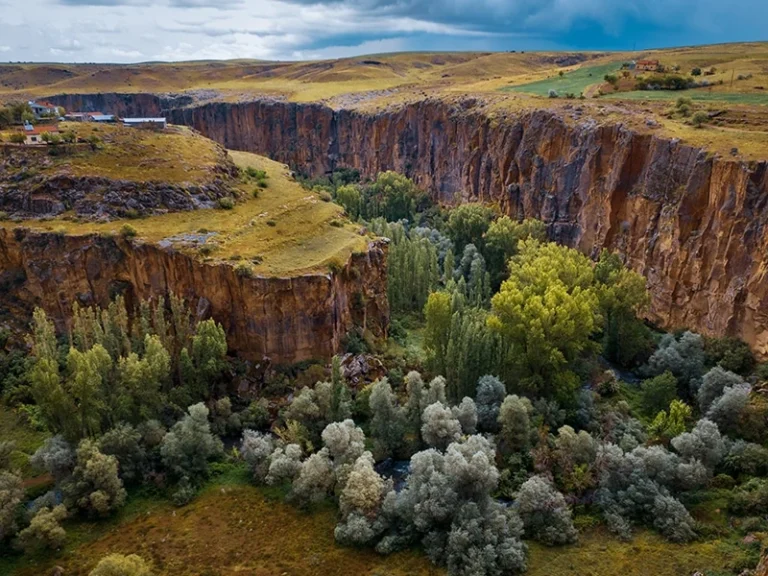
Rumi’s philosophy emphasizes love, tolerance, and self-awareness as means to achieve spiritual enlightenment. During the festival, visitors can also attend seminars on Sufism, participate in prayer sessions at local mosques or explore historical sites related to Rumi’s legacy. Attending the Whirling Dervishes Festival is an excellent way to experience Turkish culture and gain insight into one of its most profound spiritual practices. However, there are many other excursions worth exploring in Konya’s surrounding areas that offer a glimpse into Turkey’s rich history and natural beauty. From visiting ancient underground cities in Cappadocia to soaking in hot springs at Pamukkale or watching sea turtles hatch on Iztuzu Beach – there is much more to discover beyond Konya’s city limits.
Konya’s Surrounding Excursions: Exploring Cappadocia and Beyond
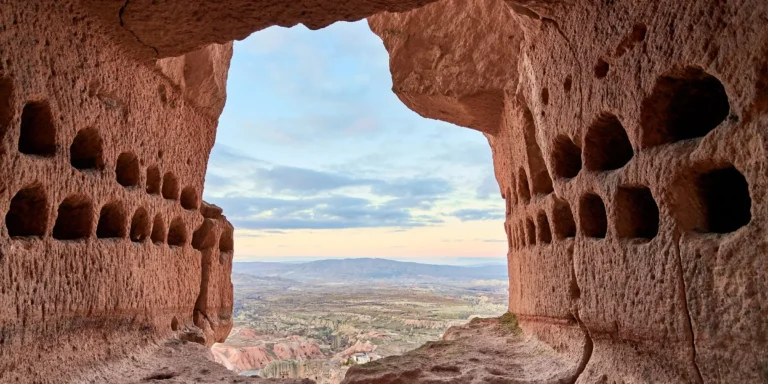
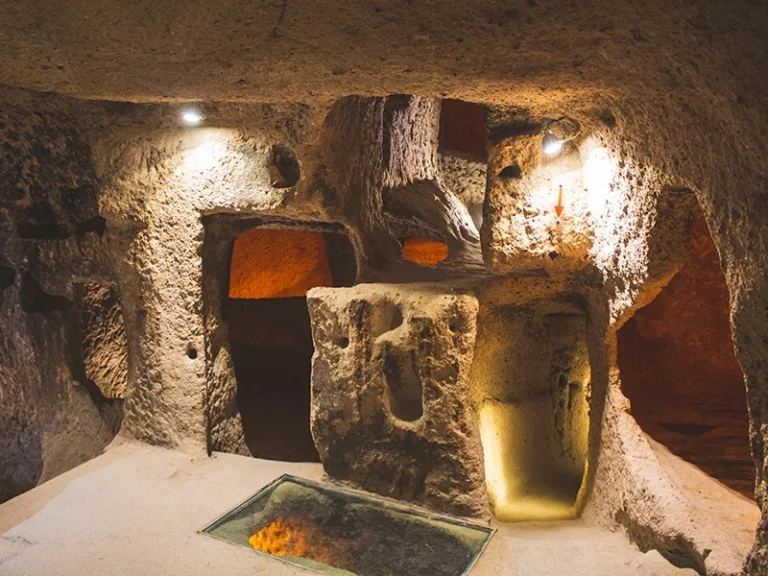
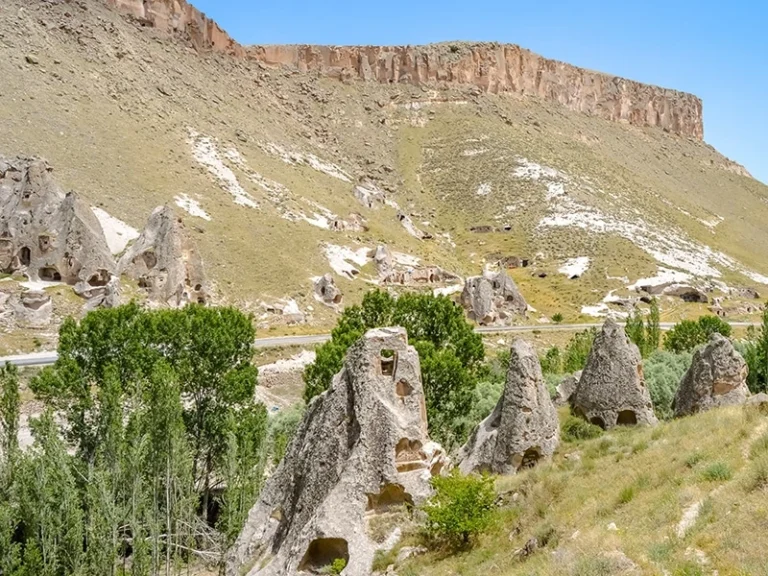
The Whirling Dervishes Festival in Konya is a sight to behold, showcasing the spiritual and cultural richness of Turkey. However, there’s more to explore beyond the city limits of Konya. For those who seek adventure and exploration, Konya’s surrounding excursions offer an array of activities that cater to different tastes. One popular attraction is hot air ballooning over Cappadocia, which offers a bird’s eye view of the stunning rock formations that make up this region. Witnessing the sunrise from above as hundreds of hot air balloons rise with it is a surreal experience that one should not miss. Alternatively, for those who prefer to keep their feet firmly on the ground, hiking trails around Cappadocia are abundant and offer opportunities to discover ancient churches carved out of rocks and hidden valleys. Another fascinating excursion option is exploring underground cities such as Derinkuyu or Kaymakli.
These cities were built by early Christians as refuge during times of persecution, and some extend down eight levels beneath the surface! Walking through narrow tunnels and seeing how these cities were designed to provide ventilation and water systems for its inhabitants will leave visitors in awe. Whether you’re seeking adrenaline-pumping activities or historical exploration, Konya’s surrounding excursions have something for everyone. From soaring above stunning landscapes in a hot air balloon or discovering hidden underground cities; there are plenty of reasons why these excursions continue to attract visitors from all over the world. As we move forward into our next section about ‘Konya’s whirling dervishes: witnessing mesmerising sufi rituals’, let us take with us this sense of wonderment at what else Turkey has yet to offer.
Konya’s Whirling Dervishes: Witnessing Mesmerising Sufi Rituals
Witnessing the spiritual and mesmerising sufi rituals of the whirling dervishes in Konya offers a unique insight into the mystical practices of Islamic culture. The Sufi mysticism, which is deeply rooted in Islamic beliefs, emphasizes on seeking truth and achieving spiritual enlightenment through devotion to God. Whirling dervishes are followers of this Sufi order and perform an impressive ritual that involves spinning around their own axis for long periods, while reaching a state of trance-like meditation. The cultural significance of these rituals can be traced back to the thirteenth century when Mevlana Rumi founded the Mevlevi Order in Konya.
These whirling dervishes honour his teachings by performing this sacred dance as a form of prayer and connection with God. The performance is accompanied by music that includes chanting, drumming, and other instruments that create an enchanting atmosphere for both performers and spectators. Apart from being visually captivating, witnessing these performances provides an opportunity to learn about Sufism’s core values such as humility, tolerance, compassion, and love. It also highlights the importance of self-awareness through meditation techniques. Overall, witnessing the whirling dervishes’ performance is an essential experience for anyone who wishes to explore Turkey’s rich cultural heritage beyond its historical landmarks or natural wonders.
Conclusion
Konya, a city in Turkey, is steeped in history and culture. The city’s architecture and landmarks are a testament to its rich past, while its delectable cuisine offers a unique gastronomic experience for visitors. Konya is also notable for being the birthplace of Rumi, one of the world’s most famous poets and mystics. Exploring Konya’s Sufi heritage is an essential part of any trip to the city. Witnessing the mesmerizing whirling dervishes during their festival is an unforgettable experience that allows visitors to appreciate the significance of Sufism in Turkish culture.
Moreover, Konya’s proximity to Cappadocia provides ample opportunities for visitors to explore natural wonders such as hot air balloon rides over fairy chimneys. While some may argue that Konya may not be suitable for those seeking modern attractions or nightlife options, it must be remembered that cities like these have immense historical value that should not be overlooked. The chance to witness ancient traditions and cultural practices firsthand makes Konya a must-visit destination for any traveler interested in exploring Turkey beyond its touristy locales.