





Unearthing the Structures and Artifacts of Aşıklı Höyük
This section delves into the architecture and layout of Aşıklı Höyük, examining the houses, buildings, and streets that make up this ancient settlement. The exploration of fascinating artifacts found at the site offers a glimpse into the craftsmanship and artistry of its Neolithic inhabitants. As we unearth these artifacts, we gain insights into daily life activities and cultural practices of the people who once lived in this region.
Architecture and layout of the settlement: houses, buildings, and streets
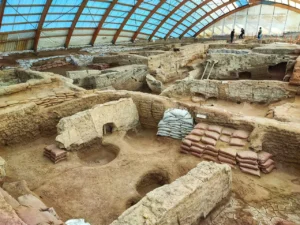
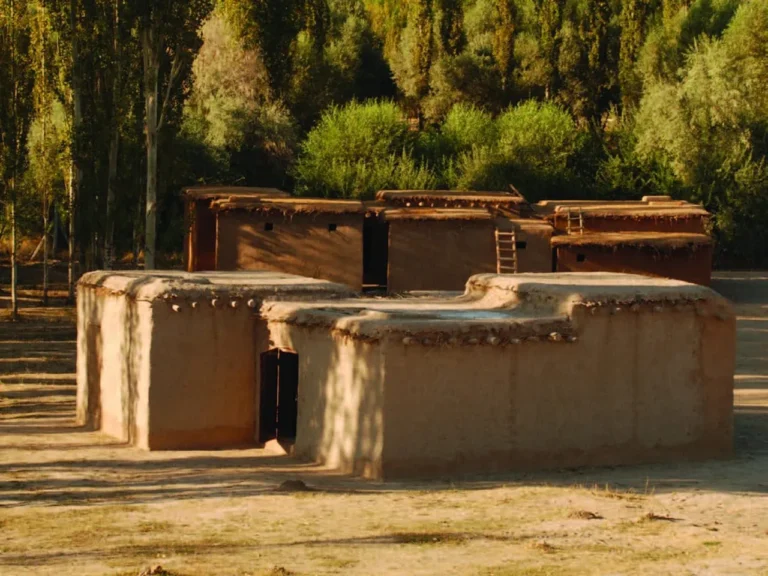
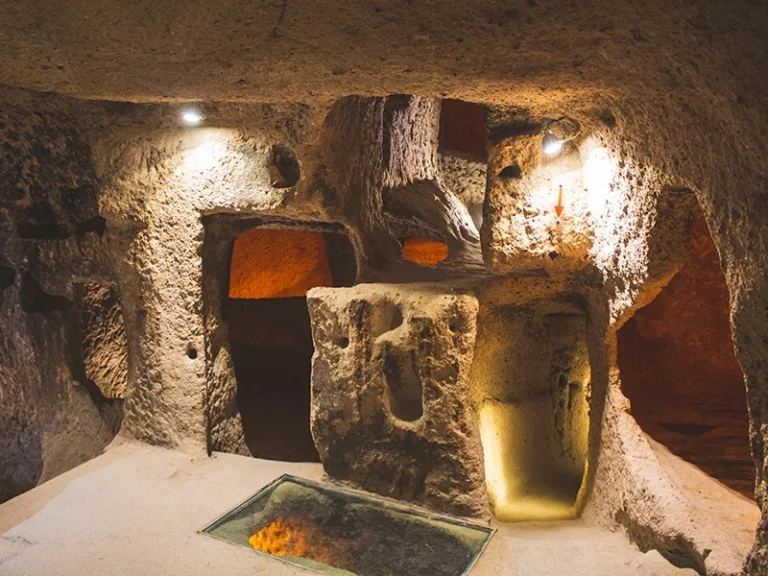
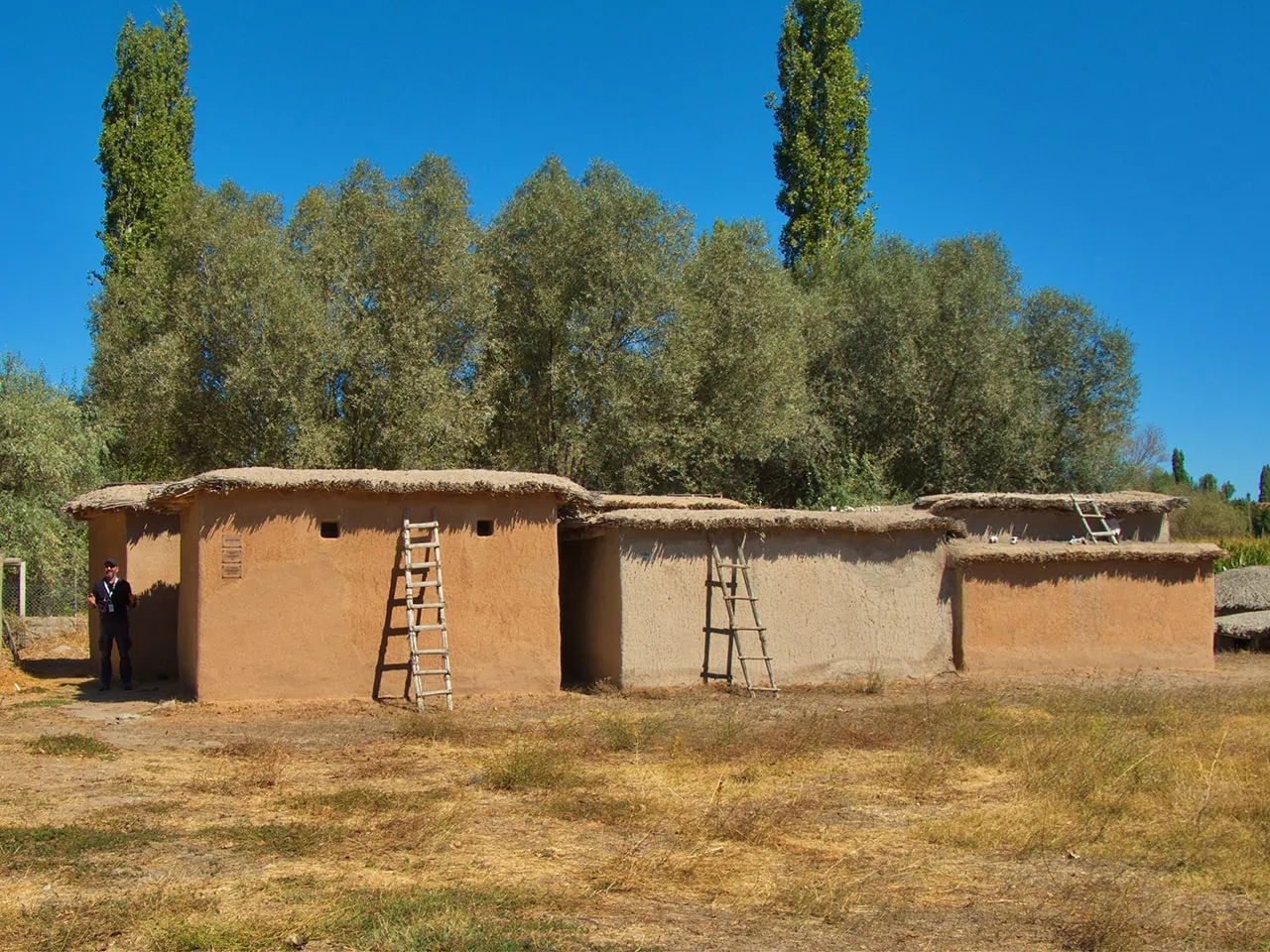
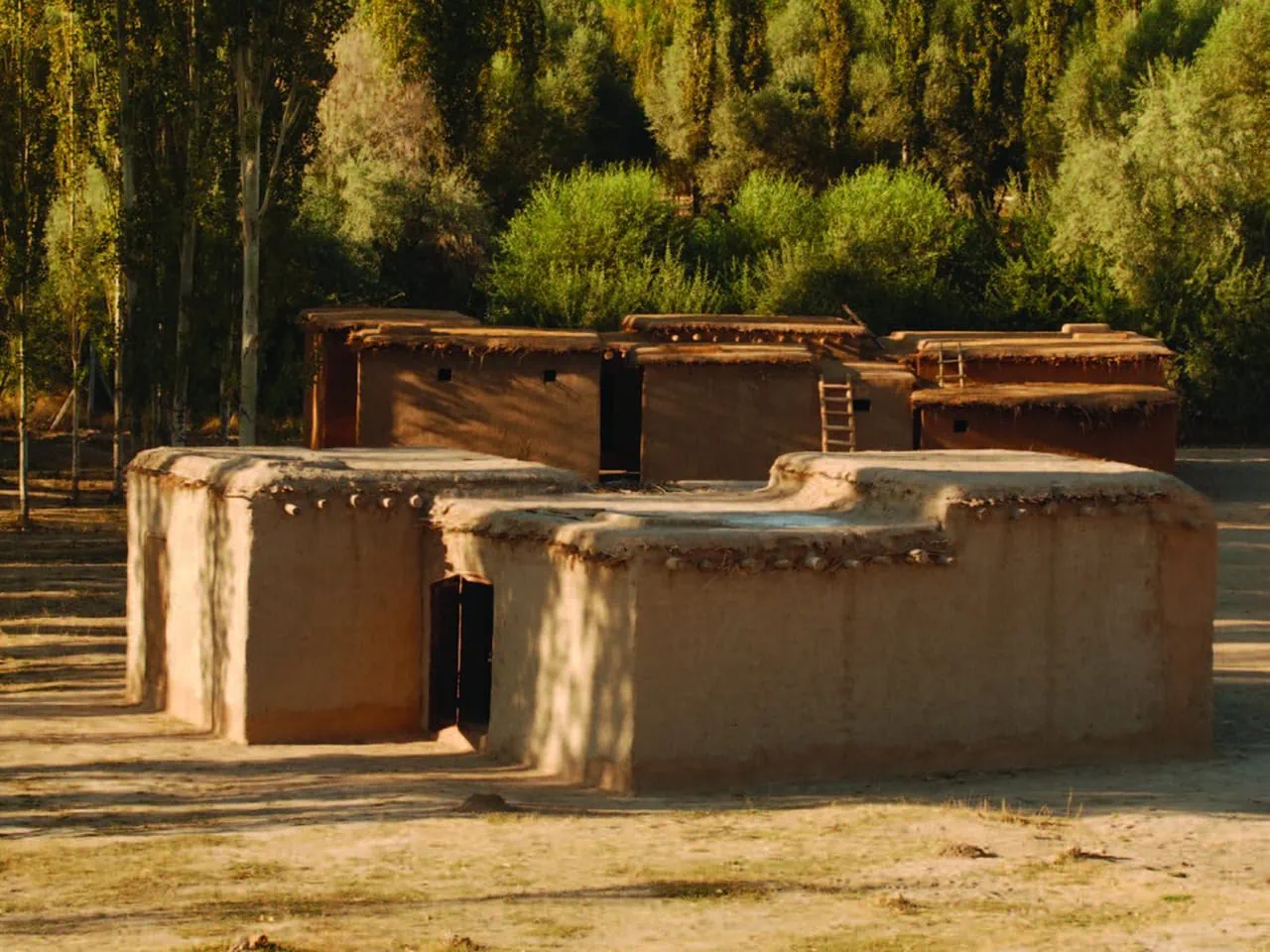
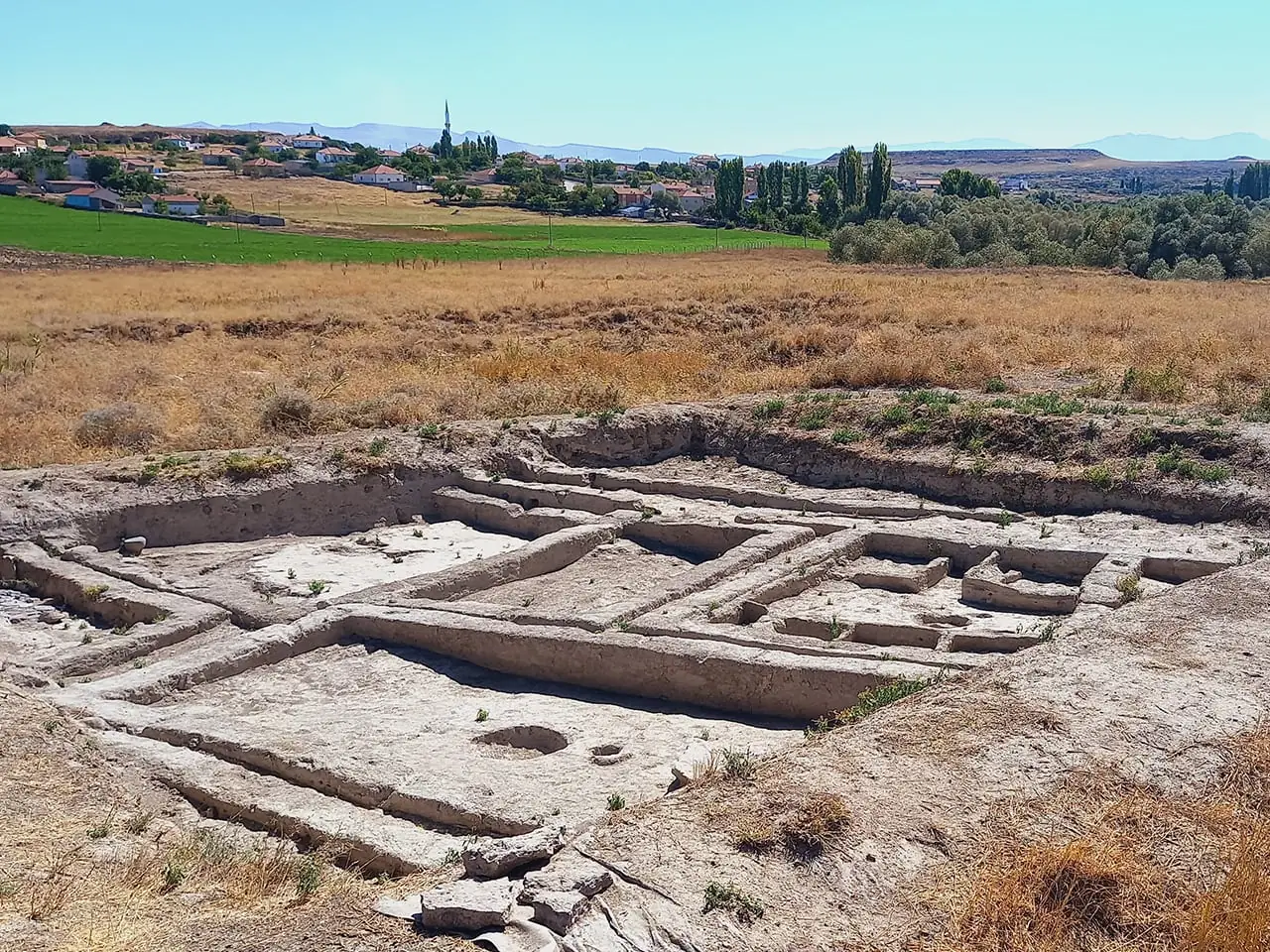
The Neolithic settlement of Aşıklı Höyük provides valuable insights into the architecture and layout of prehistoric communities. Archaeological excavation techniques have uncovered a variety of building materials, communal spaces, and architectural styles that suggest careful urban planning.
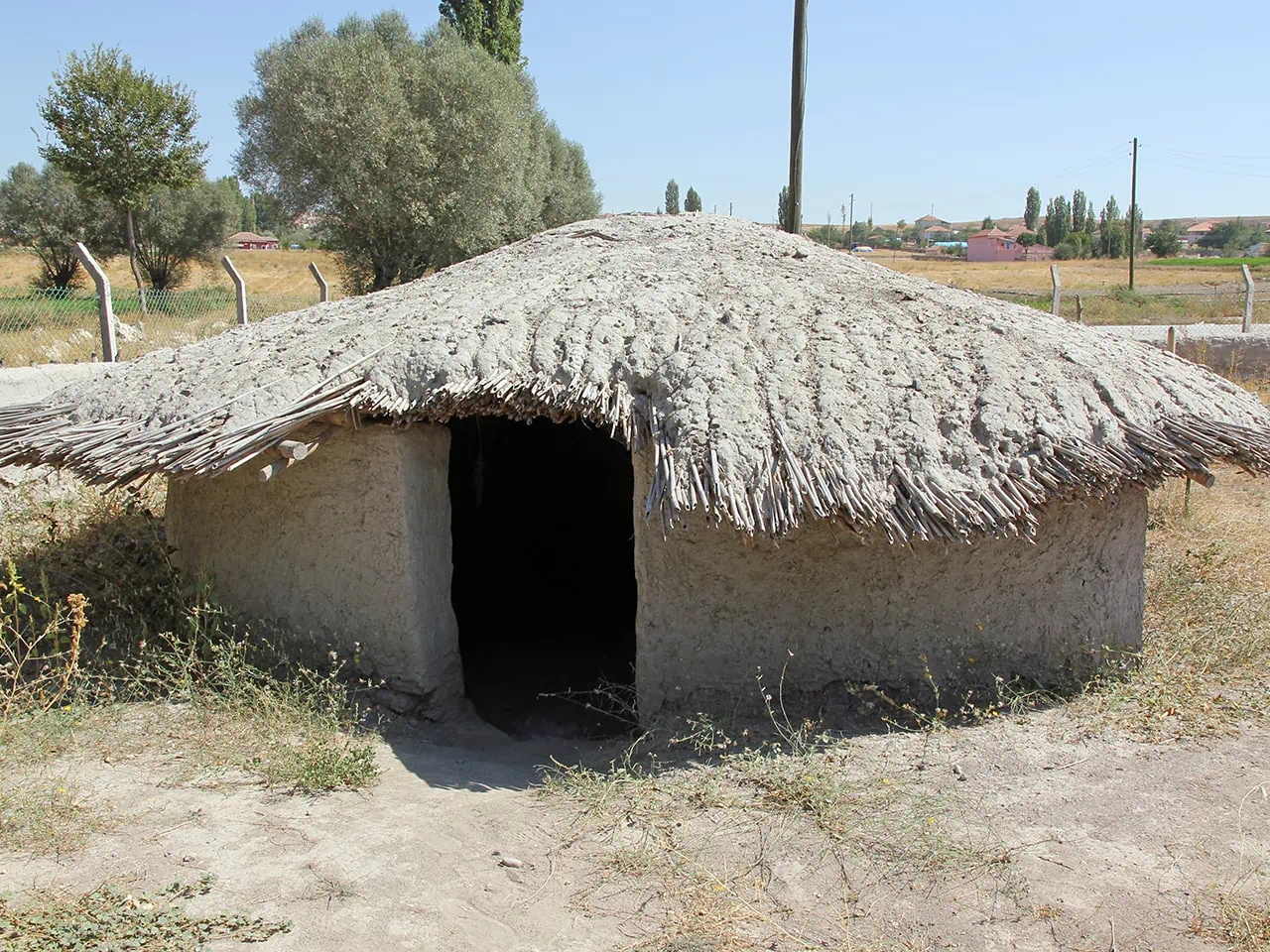
The houses at Aşıklı Höyük were constructed from mud bricks, with some featuring plastered walls or wooden beams. Communal spaces included areas for food preparation and storage, as well as public gathering places. Urban planning was also evident in the layout of streets and alleyways, which were designed to maximize space efficiency while allowing for ease of movement. The buildings themselves were often arranged around central courtyards, suggesting a strong sense of community and shared living spaces. Overall, the architecture at Aşıklı Höyük provides important clues about how early humans organized their settlements and interacted with one another. As we explore the fascinating artifacts found at Aşıklı Höyük, it becomes clear just how interconnected all aspects of life were in this ancient community. From pottery to tools to jewelry, each item tells a story about the daily lives of these prehistoric people.
Daily Life at Aşıklı Höyük: Food, Tools, and Technology
This Subtopic focuses on the daily life of Neolithic settlers at Aşıklı Höyük, with a particular emphasis on their food, tools, and technology. Agriculture was an important aspect of their lives, and they cultivated crops such as wheat, barley, and lentils. The settlers also used various tools and implements for activities like hunting, fishing, weaving, and pottery-making. By examining the technology and innovations of the time period, we can gain insights into the diet, cooking methods, and food culture of these early human societies.
Neolithic agriculture and the cultivation of crops at Aşıklı Höyük
Neolithic agriculture was a vital component of life at Aşıklı Höyük, where evidence suggests the cultivation of wheat and barley. The neolithic settlers utilized crop cultivation techniques that involved soil management practices such as plowing and tilling to prepare the land for planting. They also used irrigation systems to provide water for their crops, which allowed them to farm in arid environments. Harvesting methods were another important aspect of their agricultural practices. The use of sickles made from flint or obsidian allowed them to cut the grains efficiently, while threshing floors made from clay or stone facilitated the separation of grain from chaff. Crop storage techniques were also developed by these early farmers, indicating their understanding of the importance of food preservation. Storage pits were dug into the ground, and grains were stored in baskets made from reeds or other plant materials. These practices ensured a stable supply of food throughout the year for both humans and livestock. The success of neolithic agriculture at Aşıklı Höyük was crucial for its growth and development as a settlement.
Transitioning into the subsequent section about ‘tools and implements used by the neolithic settlers for various activities,’ it is clear that their agricultural practices relied heavily on hand-held tools such as sickles and hoes. However, they also utilized more advanced tools like plows pulled by oxen or other animals to make farming more efficient. These tools acted as precursors to modern-day farming equipment and represented a significant advancement in human technology during this time period.
Tools and implements used by the Neolithic settlers for various activities
The tools and implements utilized by the Neolithic settlers were crucial for their everyday activities, representing a significant technological advancement during this period. These tools were made from stone, bone, and wood and were designed to perform various tasks such as farming, hunting, crafting, and domestication of animals.
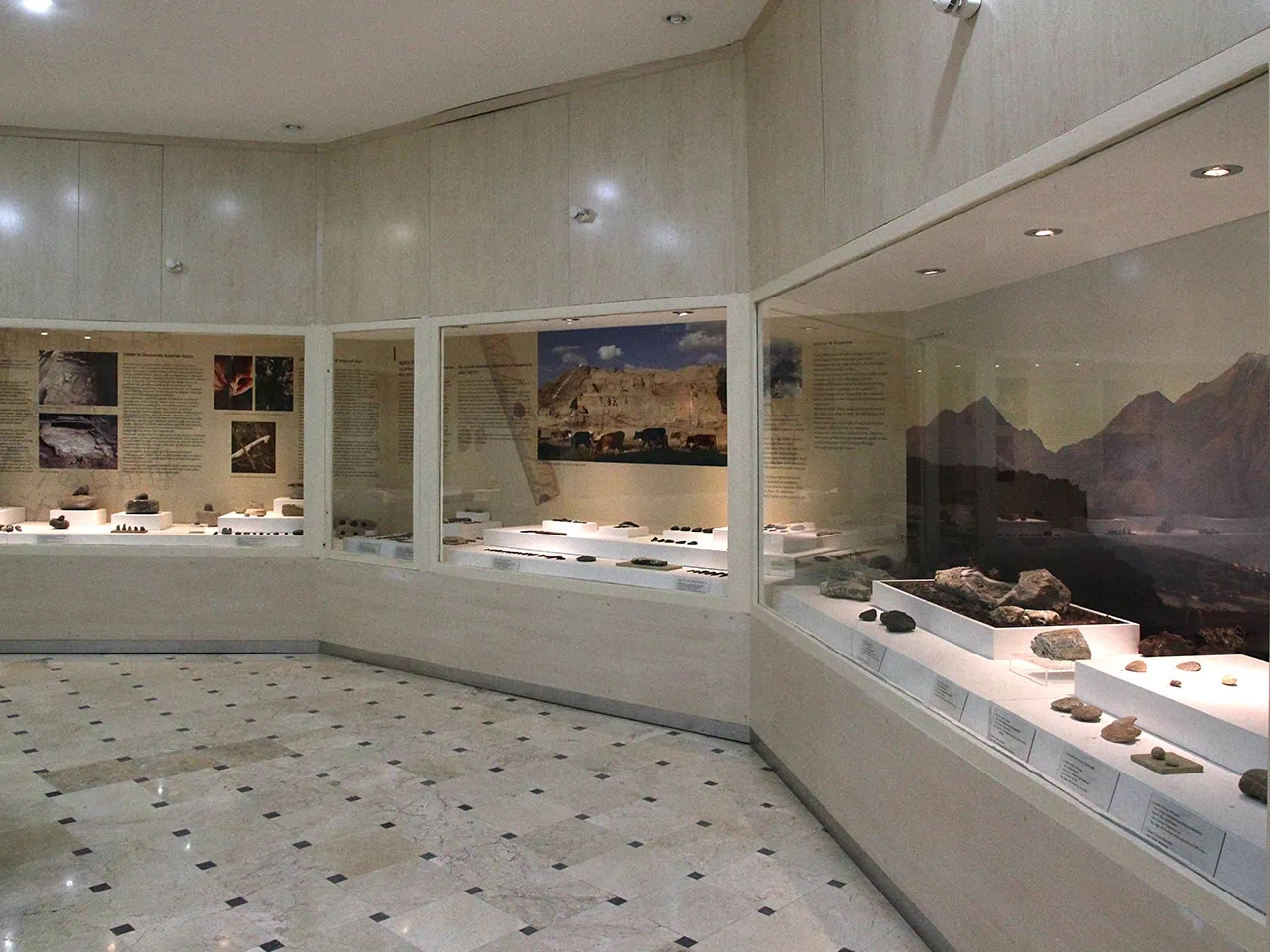
Here are some examples of specific tools that have been found at Aşıklı Höyük:
- Stone Tools: The most common type of tool found at Aşıklı Höyük was made from flint or obsidian. These tools included scrapers used for preparing animal hides, chisels for carving wood or bone, and arrowheads for hunting.
- Farming Implements: The Neolithic settlers at Aşıklı Höyük cultivated crops using wooden plows pulled by domesticated animals such as oxen or donkeys. Other farming implements included sickles for harvesting grain and mortars for grinding flour.
- Hunting Equipment: In addition to stone-tipped arrows mentioned earlier, the Neolithic people also used spears with sharpened points attached to wooden shafts. They also fashioned traps made from woven reeds to catch small game.
- Crafting Materials: Bone needles and awls were used by the Neolithic people to sew clothing and create baskets made from woven reeds or grasses.
By examining the technology and innovations of this time period through these tools and materials we can gain insight into how these ancient communities lived their daily lives in relation to agriculture, hunting practices, craftsmanship techniques and more – all crucial elements in understanding the complexities of early human societies without advanced machinery or infrastructure.