Cappadocia, a region in central Turkey, is renowned for its unique and captivating architecture. From the historic marvels of pigeon houses to the natural wonders of fairy chimneys, Cappadocia’s architectural landscape offers a journey into an enchanting world. This article delves into the diverse and fascinating architectural heritage of Cappadocia, examining the evolution of cave dwellings, the intricate rock-cut churches, and the modern cave hotels that blend traditional design with contemporary hospitality. The euphemistic allure of pigeon houses serves as an entry point to explore Cappadocia’s skies, where these structures stand as testament to historical significance. Meanwhile, fairy chimneys showcase nature’s sculpted artistry through their distinctive formations that resemble elongated mushrooms or delicate cones. The rock-cut churches carved into the soft volcanic tuff offer a glimpse into Cappadocia’s religious history and architectural ingenuity. Through photography and art, this article aims to capture the beauty and intricacies of Cappadocia’s architecture while highlighting ongoing preservation efforts to safeguard these remarkable treasures. Join us on this exploration as we unveil the captivating allure of Cappadocia’s unique architecture.
Key Takeaways
Cappadocia’s architecture is a blend of natural formations and human ingenuity, with fairy chimneys as the foundation for architectural wonders. Pigeon houses in Cappadocia have historic significance, serving as architectural marvels and symbolizing wealth and sustainable farming practices. Cappadocia’s cave dwellings were carved by hand into soft volcanic rock and provided strategic location and protection against invaders. Rock-cut churches in Cappadocia showcase the region’s religious history and feature intricate frescoes depicting religious scenes.
A Journey into Cappadocia’s Architectural Wonderland
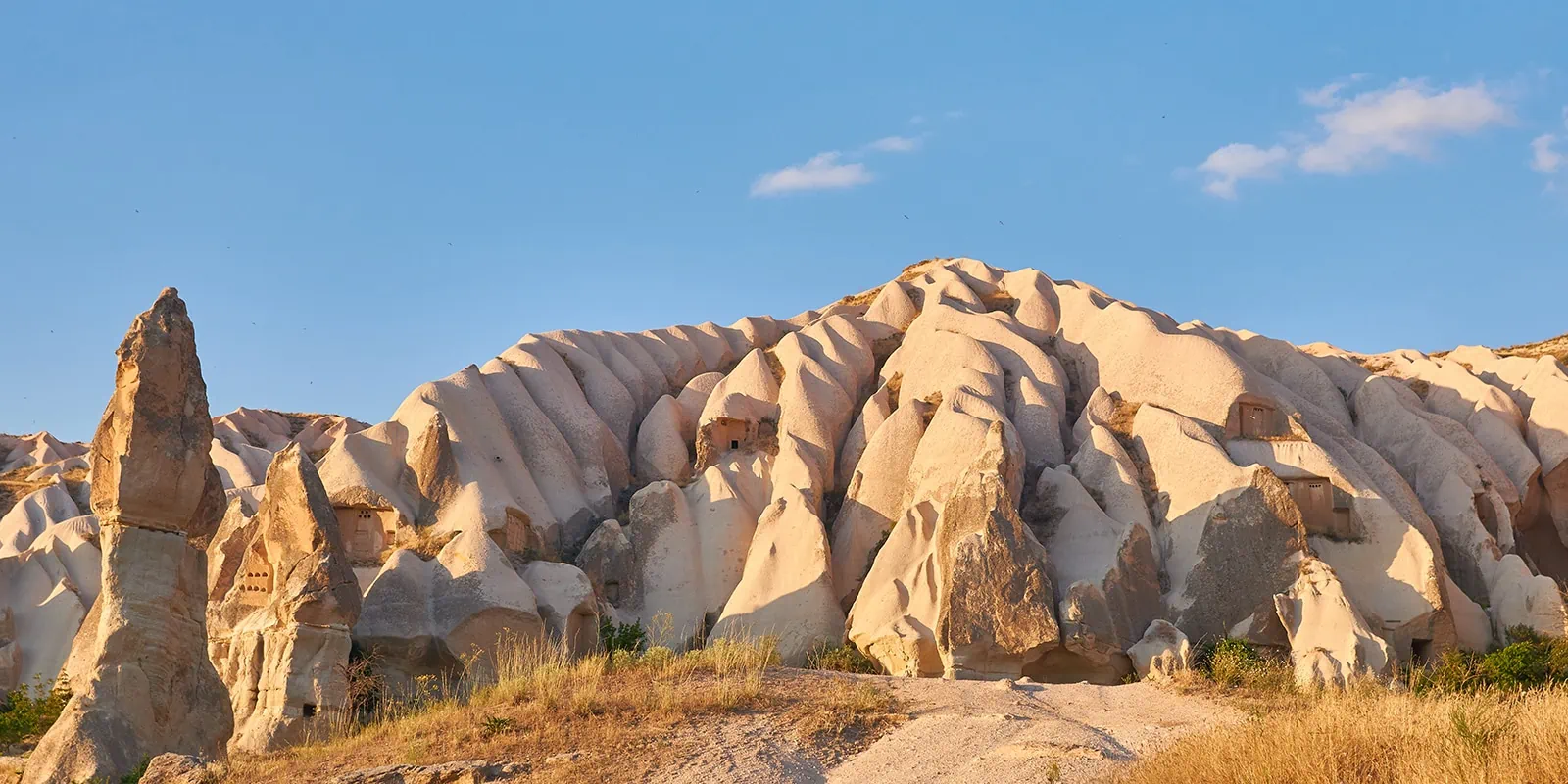
Cappadocia’s distinctive architecture is a fascinating blend of natural formations and human ingenuity. The region is known for its unique rock formations, which have been shaped by volcanic activity over millions of years. These formations, known as fairy chimneys, serve as the foundation for the region’s architectural wonders, including cave dwellings, churches, and pigeon houses. The intricate carvings and elaborate frescoes found in these structures provide a glimpse into the rich history and culture of Cappadocia.
An Overview of Cappadocia’s Distinctive Architecture
Renowned for its unconventional dwellings, Cappadocia presents a plethora of architectural marvels that defy traditional norms and captivate the imagination. The unique architecture of Cappadocia is deeply rooted in its geological history, shaped by volcanic eruptions millions of years ago. The region’s distinctive rock formations, known as fairy chimneys, have been transformed into homes, churches, and even entire underground cities. These structures are carved out of soft volcanic rock, creating intricate networks of rooms and tunnels. The use of natural materials not only blends harmoniously with the surrounding landscape but also provides excellent insulation against the extreme temperatures experienced in Cappadocia. This innovative approach to construction showcases the ingenuity and adaptability of the people who inhabited this ancient land. Transitioning seamlessly into the subsequent section about ‘pigeon houses: a historic marvel in Cappadocia’s skies,’ these extraordinary architectural creations continue to astonish visitors from around the world.
Pigeon Houses: A Historic Marvel in Cappadocia’s Skies

The pigeon houses in Cappadocia have played a fascinating role in the region’s history, serving as important architectural marvels. These structures were not only designed with intricate details but also served specific purposes within the local community. Understanding the architecture of pigeon houses involves examining their historical significance, the unique designs incorporated into their construction, and the functional purpose they served for both humans and pigeons alike.
The Fascinating Role of Pigeon Houses in Cappadocia’s History
Pigeon houses in Cappadocia’s history played a crucial role in the region’s architectural landscape, with their unique design and functionality. These structures were not merely used for sheltering pigeons; they served multiple purposes that contributed to the well-being of the community. Preservation of crops: Pigeon droppings were highly valued as fertilizer, and pigeon houses provided a convenient way to collect this resource. Communication network: Pigeons were used as messengers, carrying important information across long distances. Symbol of wealth: The number and size of pigeon houses reflected the social status and prosperity of families or villages. Sustainable farming practices: The integration of pigeon houses into agricultural lands promoted ecological balance by controlling pests naturally. Understanding the architecture and purpose behind these fascinating structures is essential to appreciate their historical significance. Transitioning into the subsequent section about ‘design and purpose: understanding the architecture of pigeon houses,’ we can delve deeper into how these structures were built and why they are considered a remarkable feat of engineering.
Design and Purpose: Understanding the Architecture of Pigeon Houses
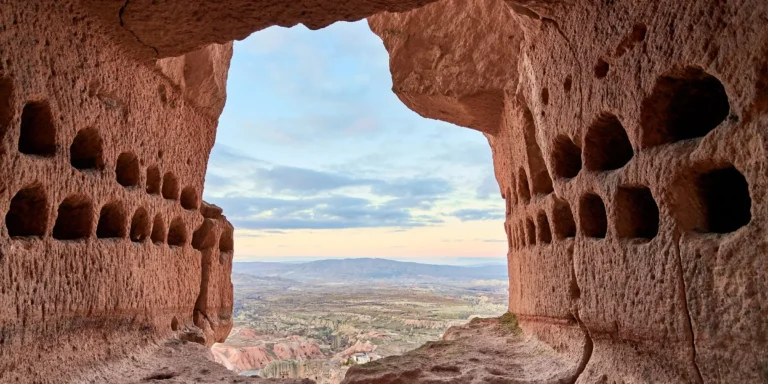
An intriguing aspect of the structures found in Cappadocia is their architectural design, which serves a specific purpose that has captivated historians and architects alike. The pigeon houses, scattered throughout the region, are no exception. These unique buildings were meticulously constructed with a distinct purpose in mind – to provide shelter for pigeons. The design of these houses is both functional and aesthetically pleasing. They feature small openings or niches carved into the walls, allowing pigeons to enter and exit freely. Inside, the houses are divided into compartments where the pigeons can nest and lay eggs. This architectural design not only provided a safe haven for these birds but also had practical benefits for the local farmers who utilized pigeon droppings as fertilizer for their crops. As we delve deeper into understanding the architecture of Cappadocia’s pigeon houses, it becomes clear how they were an integral part of the region’s agricultural practices and cultural heritage. Transitioning into our next section on ‘from caves to homes: the evolution of Cappadocia’s cave dwellings’, we will explore how this unique architectural style developed over time and shaped the landscape of Cappadocia.
From Caves to Homes: The Evolution of Cappadocia’s Cave Dwellings

This discussion explores the early human settlements in Cappadocia and uncovers the ancient cave dwellings that have been unearthed in the region. These cave dwellings provide valuable insights into the lifestyle of Cappadocia’s early residents, who lived within the earth’s natural formations. By examining their living conditions and adapting to this unique environment, we can gain a deeper understanding of how these communities thrived in an unconventional habitat.
Early Human Settlements: Unearthing Cappadocia’s Ancient Cave Dwellings
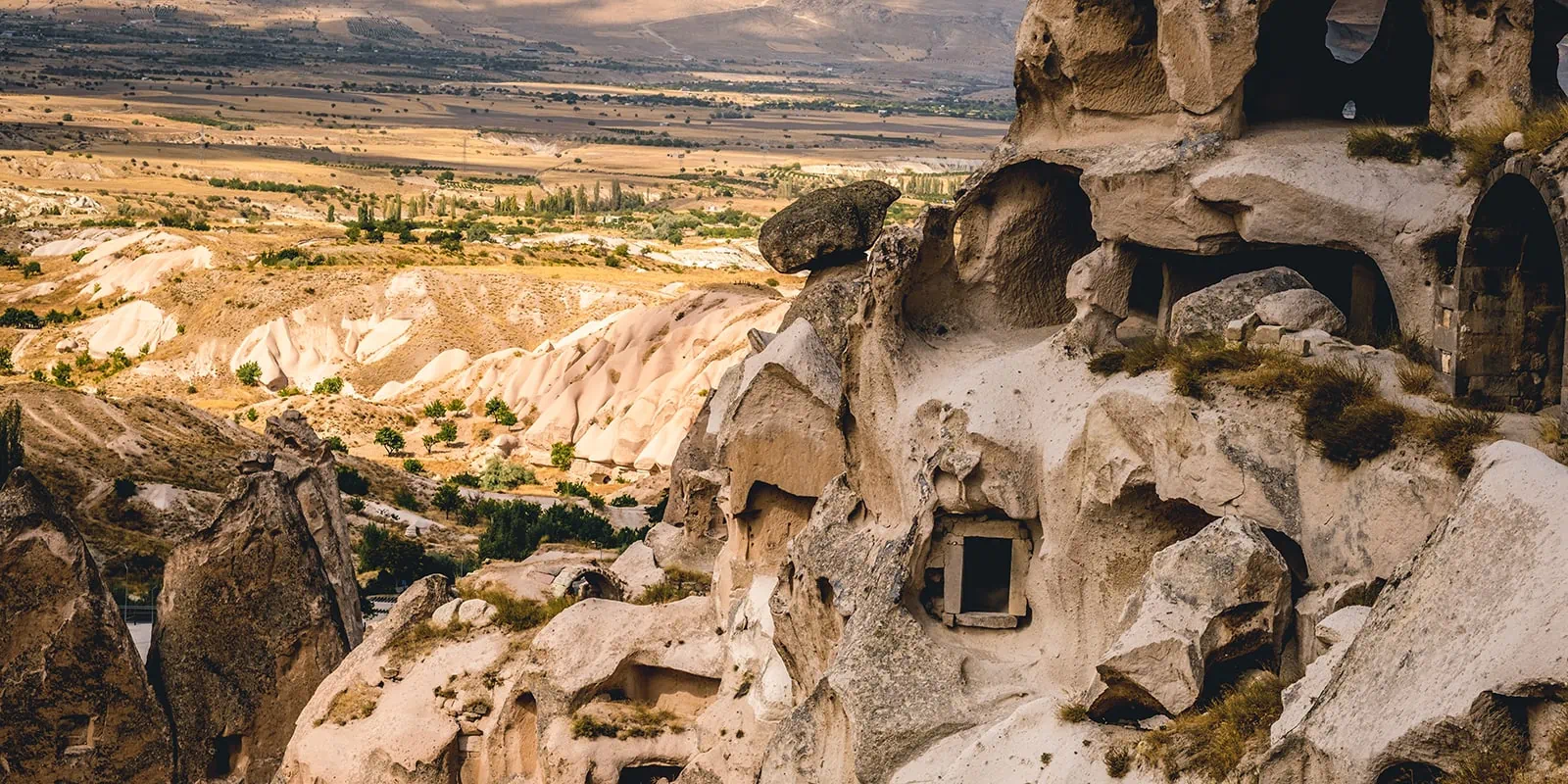
Early human settlements in Cappadocia are revealed through the discovery of ancient cave dwellings. These cave dwellings, also known as troglodyte houses, provide valuable insights into the lifestyle and architecture of early inhabitants. The caves were carved into the soft volcanic rock formations by hand, creating a network of interconnected rooms and tunnels. Archaeological evidence suggests that these cave dwellings were first inhabited as early as the Bronze Age, around 3000 BCE. The strategic location of Cappadocia, situated between major trade routes, likely contributed to its early settlement and development of these unique homes. The cave dwellings provided shelter from extreme weather conditions and offered a sense of security against invaders. As we delve deeper into the exploration of Cappadocia’s ancient past, it becomes evident that living in the earth shaped not only their physical surroundings but also their way of life.
Living in the Earth: The Lifestyle of Cappadocia’s Cave Residents
The lifestyle of Cappadocia’s cave residents was characterized by a remarkable interconnectivity, with an estimated 36 underground cities and thousands of carved rooms and tunnels. This intricate network allowed for a unique way of life that was deeply rooted in the natural landscape. The caves provided protection from extreme weather conditions, offering a cool refuge during scorching summers and insulation against harsh winters. The underground cities were organized into different levels, each serving specific functions such as living quarters, storage areas, and even places of worship. The inhabitants ingeniously designed ventilation systems to circulate fresh air throughout the caves. Living in these caves not only met basic needs but also fostered a sense of community and unity among the residents. It allowed for efficient resource allocation and facilitated communication between different households.
Transition: As we delve deeper into the architectural wonders of Cappadocia, we will now explore the fascinating formations known as fairy chimneys: nature’s sculpted artistry.
Fairy Chimneys: Nature’s Sculpted Artistry

This discussion will explore two key points related to Fairy Chimneys in Cappadocia: the geological process behind their formation and the myths and beliefs surrounding them. Fairy chimneys, which are unique rock formations found in this region, are formed through a combination of volcanic eruptions, erosion, and weathering over millions of years. The distinctive cone-shaped structures are a result of these natural forces sculpting the soft volcanic ash and tuff layers into their current shapes. In addition to their geological marvels, fairy chimneys also hold cultural significance in legend and lore. Local myths suggest that these formations were once inhabited by fairies or other mystical creatures, lending them their whimsical name. Folk tales often attribute supernatural powers to the chimneys, considering them as portals between different worlds or sources of good luck. These legends have contributed to the allure and popularity of fairy chimneys among tourists visiting Cappadocia.
Geological Marvels: How Fairy Chimneys Are Formed
Erosion plays a crucial role in the geological formation of fairy chimneys, contributing to their unique and intricate structures. Over millions of years, wind and water have sculpted the soft volcanic tuff rock found in Cappadocia, Turkey, giving rise to these remarkable formations. The process begins with volcanic activity that deposited layers of ash and lava across the region. Subsequent erosion by wind and water gradually wore away the softer layers of rock, leaving behind towering pillars topped with harder capstones. This process created mushroom-like shapes that are characteristic of fairy chimneys. The whimsical forms of these structures are a result of different rates of weathering caused by variations in the density and composition of the rock layers. These geological marvels continue to captivate visitors from around the world with their enchanting beauty. Transitioning into the subsequent section about ‘fairy chimneys in legend and lore: myths and beliefs’, it is fascinating to explore how these natural wonders have inspired legends and beliefs among local communities throughout history.
Fairy Chimneys in Legend and Lore: Myths and Beliefs
Shrouded in myth and steeped in ancient beliefs, the ethereal formations of Cappadocia’s volcanic tuff rock have ignited the imagination of local communities for centuries. These fairy chimneys, with their tall spires and whimsical shapes, have given rise to numerous legends and folklore that are deeply ingrained in the cultural fabric of the region. According to one popular belief, these rock formations were created by fairies who turned misbehaving humans into stone as a form of punishment. Another legend suggests that these chimneys were once inhabited by mystical creatures such as genies and dwarfs. Some locals believe that these formations possess supernatural powers and can bring good luck or ward off evil spirits. These enchanting tales add an air of mystique to the already captivating landscape of Cappadocia. As we delve deeper into this fascinating region, we will explore another architectural wonder: churches carved in stone – Cappadocia’s rock-cut churches.
Churches Carved in Stone: Cappadocia’s Rock-Cut Churches

The rock-cut churches in Cappadocia are a testament to the region’s rich religious heritage. These unique structures were carved into the soft volcanic rock by early Christians as places of worship and refuge during times of persecution. The churches are not only significant for their architectural ingenuity, but also for their elaborate Byzantine frescoes that depict scenes from the Bible and offer valuable insights into the religious art of Cappadocia during the Byzantine era.
Religious Heritage: The Story behind Cappadocia’s Rock-Cut Churches
Rock-cut churches in Cappadocia hold a significant place in the region’s religious heritage due to their unique architectural design. These churches, carved into the soft volcanic rock of the area, were primarily used by early Christians as places of worship and refuge during times of persecution. The architectural style of these churches is characterized by their simplicity and integration with the natural landscape. Inside these rock-cut structures, visitors can find intricate carvings depicting biblical scenes, symbols, and saints. The careful craftsmanship and attention to detail showcased in these carvings reflect not only the artistic skill of the craftsmen but also the deep religious devotion of those who worshipped here. These rock-cut churches offer a glimpse into the rich history and spirituality of Cappadocia’s past, providing an invaluable insight into the development of Christianity in this region. Transitioning now to Byzantine frescoes: unveiling the religious art of Cappadocia…
Byzantine Frescoes: Unveiling the Religious Art of Cappadocia
Continuing our exploration of Cappadocia’s religious heritage, we now turn our attention to the mesmerizing Byzantine frescoes that adorn the rock-cut churches of this unique region. These ancient artworks provide a glimpse into the religious beliefs and artistic techniques of the Byzantine era, showcasing intricate details and vibrant colors that have withstood the test of time. The frescoes depict scenes from the Bible, saints, angels, and other religious figures, creating a visual narrative that transports visitors back in time. The preservation of these delicate frescoes is a testament to the dedication and expertise of conservation efforts in Cappadocia. By employing innovative methods and utilizing modern technology, experts have been able to protect these priceless artworks from deterioration while still allowing visitors to appreciate their beauty. As we delve further into Cappadocia’s architectural wonders, let us now explore how traditional cave dwellings have been transformed into luxurious cave hotels without compromising their unique charm.
Unique Architecture Meets Modern Hospitality: Staying in Cave Hotel
This paragraph will discuss the unique experience of staying in Cappadocia’s cave hotels and the transformation of caves from homes to hotels. Staying in these cave hotels offers a captivating way to experience the history and charm of Cappadocia. The ancient caves, once used as residences, have been transformed into modern accommodations that provide visitors with a glimpse into the region’s rich past while offering all the comforts of contemporary hospitality. The preservation and repurposing of these caves into hotels allow guests to appreciate the architectural ingenuity and cultural significance of this unique form of accommodation.
Experiencing History: The Charms of Staying in Cappadocia’s Cave Hotels
Nestled within the ancient geological formations of Cappadocia, one can find a captivating blend of history and hospitality in the form of cave hotels. These unique accommodations offer an unparalleled experience, allowing guests to immerse themselves in the rich cultural heritage of the region while enjoying modern comforts. The first item on our list is the architectural marvel that these cave hotels present. Carved into the soft volcanic rock, each room boasts intricate details and reflects the craftsmanship of centuries past. Secondly, staying in a cave hotel offers a sense of tranquility and serenity. The natural insulation provided by the rock walls ensures a peaceful environment, free from external disturbances. Lastly, these cave hotels provide an opportunity to connect with nature. Many rooms offer stunning views over Cappadocia’s breathtaking landscapes, giving guests a chance to appreciate its beauty up close. With their historical charm and contemporary amenities, staying in Cappadocia’s cave hotels is truly an unforgettable experience. It is no wonder that these unique accommodations have become increasingly popular among travelers seeking both comfort and authenticity. Transitioning seamlessly into the next section about ‘the transformation of Cappadocian caves: from homes to hotels’, one can see how this remarkable architecture has evolved over time.
The Transformation of Cappadocian Caves: From Homes to Hotels
The historic caves of Cappadocia have undergone a remarkable transformation, transitioning from traditional homes to captivating cave hotels. This evolution has been driven by the increasing interest in experiencing the unique charm and allure of staying in these ancient caves. The conversion of these caves into hotels has not only preserved their architectural heritage but also allowed visitors to immerse themselves in the rich history of the region. One notable example is the Argos in Cappadocia hotel, which was once an ancient monastery. Today, it offers luxurious accommodations while maintaining its original structure and features. Similarly, the Museum Hotel showcases meticulously restored cave dwellings that now serve as elegant suites adorned with antique furnishings.
The table below highlights some key differences between traditional homes and cave hotels in Cappadocia:
| Traditional Homes | Cave Hotels |
| Basic living spaces | Luxurious accommodations |
| Modest interiors | Stylishly decorated rooms |
| Limited amenities | Modern facilities and services |
| Simple facades | Unique architecture and design |
This transition from humble abodes to enchanting hotels has not only provided a memorable experience for tourists but also contributed to preserving Cappadocia’s architectural treasures. Efforts towards safeguarding these unique structures will be further discussed in the subsequent section. Transitioning seamlessly into our next topic, preservation efforts are paramount in protecting Cappadocia’s architectural treasures.
Preservation Efforts: Safeguarding Cappadocia’s Architectural Treasures
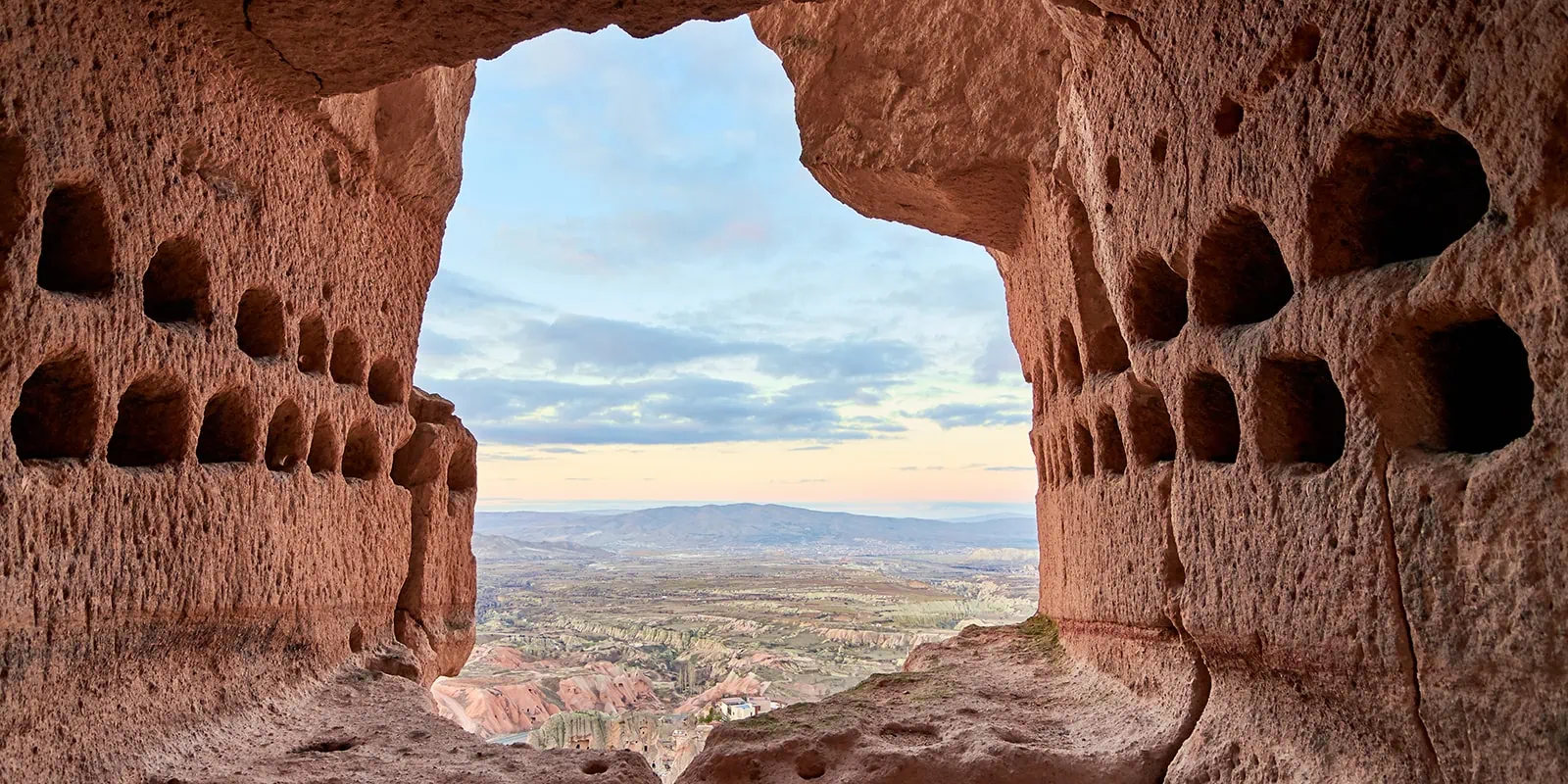
Cappadocia’s architectural treasures have been recognized for their cultural and natural significance, leading to its designation as a UNESCO World Heritage Site. The preservation efforts aimed at safeguarding these unique structures have faced both challenges and successes. This discussion will explore the conservation methods employed in Cappadocia, analyzing the strategies used to protect its architectural heritage and highlighting the accomplishments achieved thus far.
UNESCO World Heritage Site: Cappadocia’s Cultural and Natural Significance
Renowned for its exceptional cultural and natural value, Cappadocia has been designated as a UNESCO World Heritage Site. This recognition underscores the significance of Cappadocia’s unique architecture in both historical and contemporary contexts. The fairy chimneys, ancient cave dwellings, and rock-cut churches are not only remarkable examples of human ingenuity but also serve as a testament to the region’s rich cultural heritage. These architectural wonders evoke a sense of awe and wonder, inviting visitors to contemplate the creativity and resourcefulness of past civilizations. Additionally, the breathtaking landscapes of Cappadocia, featuring towering rock formations and lunar-like valleys, create a surreal atmosphere that captivates the imagination. Exploring these geological formations provides an escape from reality and allows individuals to experience a sense of freedom within nature’s grandeur. As we delve into the challenges and successes surrounding the conservation efforts in Cappadocia, it becomes evident that preserving this unique architectural legacy is crucial for future generations to appreciate and learn from.
Challenges and Successes: The Conservation of Cappadocia’s Unique Architecture
Embedded within the rugged landscape of Cappadocia, the conservation of its architectural marvels poses both challenges and successes in preserving a testament to human ingenuity. The unique architecture of Cappadocia, with its pigeon houses and fairy chimneys, is not only aesthetically captivating but also holds immense cultural and historical significance. However, ensuring the long-term preservation of these structures requires careful planning and implementation of conservation efforts. Challenges such as erosion, weathering, and human interference necessitate continuous monitoring and maintenance. Despite these obstacles, there have been notable successes in safeguarding Cappadocia’s unique architecture. The collaboration between local communities, government bodies, and international organizations has played a crucial role in raising awareness about the importance of preservation and implementing effective conservation strategies. By recognizing the value of this architectural heritage and taking proactive steps towards its protection, Cappadocia has managed to maintain its distinct identity amidst modern development pressures.
| Challeges | Successes | Significance |
| Erosion | Collaboration with local communities | Cultural |
| Weathering | Government support | Historical |
| Human interference | International involvement | Aesthetic |
The conservation efforts in Cappadocia are not only aimed at preserving tangible structures but also capturing intangible values that resonate with people worldwide. From ancient cave dwellings to intricate rock-cut churches adorned with frescoes, each architectural wonder tells a story worth cherishing. Through photography and art forms that capture their grandeur, enthusiasts can revel in the beauty of Cappadocia’s unique architecture while spreading awareness about its significance for future generations to appreciate.
Capturing Cappadocia’s Architectural Beauty: Photography and Art
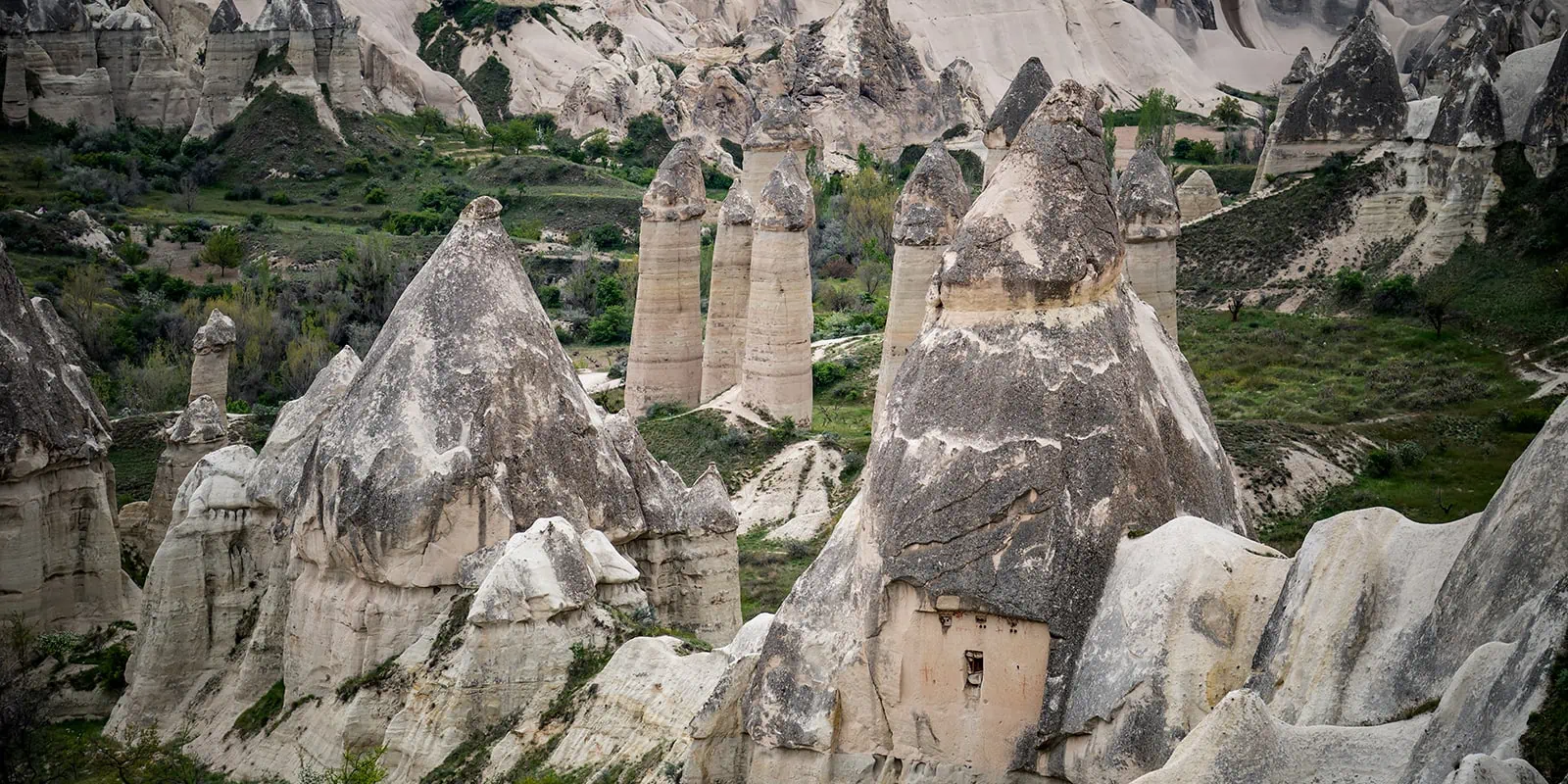
Photography and art enthusiasts can capture the mesmerizing architectural beauty of Cappadocia through their lenses and creative compositions. The unique architecture of this region provides a wealth of visual inspiration, making it a popular destination for artists and photographers alike. Cappadocia’s architectural beauty lies in its fairy chimneys, ancient cave dwellings, and pigeon houses. These structures have been carved into the soft volcanic rock formations over centuries, resulting in a stunning display of creativity and craftsmanship. Photographers can explore the intricate details of these formations, capturing their unique shapes, textures, and colors. The interplay between light and shadow adds depth to the photographs, creating captivating compositions that tell a story about the rich history and cultural heritage of Cappadocia. Artists can also find inspiration in the architectural motifs found in Cappadocia. The decorative elements used in buildings such as churches and monasteries exhibit a blend of Byzantine, Seljuk Turkish, and Ottoman influences. Intricate frescoes depicting religious scenes adorn many of these structures, providing artists with a subject matter that is both visually striking and culturally significant. Capturing Cappadocia’s architectural beauty requires an understanding of composition techniques such as framing, leading lines, and perspective. Photographers can experiment with different angles to highlight specific features or create a sense of scale. Artists can employ various mediums such as paint or charcoal to recreate the unique textures found in Cappadocian architecture.
In conclusion, photography and art offer avenues for individuals to capture the enchanting architectural beauty of Cappadocia. By utilizing their creativity and technical skills, enthusiasts can produce works that not only showcase the visual splendor but also convey the rich cultural heritage embedded within these unique structures.
Frequently Asked Questions

What are some popular activities to do in Cappadocia besides exploring the unique architecture?
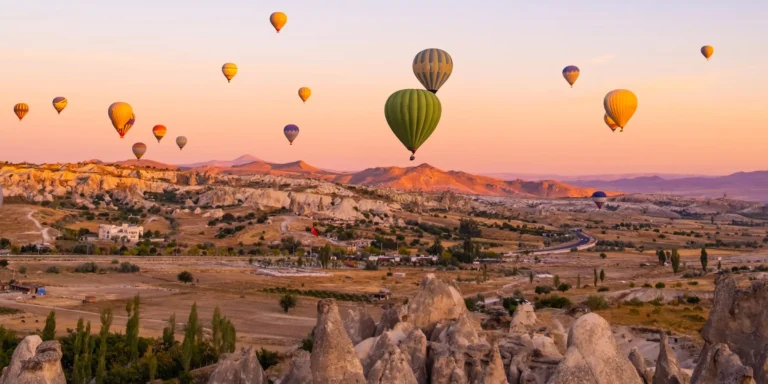
Besides exploring the unique architecture of Cappadocia, there are numerous popular activities to engage in. One hyperbolic activity is hot air ballooning, which offers a breathtaking and unparalleled experience of floating above the stunning landscape. Other options include hiking through the picturesque valleys, visiting ancient underground cities such as Derinkuyu and Kaymakli, exploring open-air museums like Göreme Open Air Museum, and indulging in traditional Turkish cuisine at local restaurants. These activities provide a sense of freedom and immersion into the enchanting culture of Cappadocia.
How did the locals adapt to living in cave dwellings throughout history?
Throughout history, the locals in Cappadocia have ingeniously adapted to living in cave dwellings. These adaptations were driven by the unique geological formations found in the region, characterized by soft volcanic rocks that are easily carved. By excavating caves and creating underground cities, the locals achieved protection from harsh weather conditions and invasions. The caves offered natural insulation and allowed for efficient use of limited resources. This resourceful adaptation demonstrates the resilience and ingenuity of the local population over time.
What are some challenges faced in preserving Cappadocia’s architectural treasures?
Preserving Cappadocia’s architectural treasures presents several challenges. Firstly, the region’s unique geological formations are susceptible to erosion and weathering, requiring ongoing maintenance and conservation efforts. Additionally, the influx of tourism has exerted pressure on the structures, necessitating measures to protect against overcrowding and damage. Furthermore, the encroachment of modern development poses a threat to the authenticity and integrity of Cappadocia’s architecture. The preservation of these treasures requires a delicate balance between conservation, tourism management, and urban planning.
Are there any famous artists or photographers who have captured the architectural beauty of Cappadocia?
One famous artist who has captured the architectural beauty of Cappadocia is Ara Güler, a renowned Turkish photographer. Güler’s photographs showcase the unique rock formations, cave dwellings, and ancient churches found in Cappadocia. His work not only highlights the intricate details of the architecture but also captures the essence and historical significance of this remarkable region. Through his lens, viewers can appreciate the rich cultural heritage and artistic marvels present in Cappadocia’s architecture.
Can you provide recommendations for cave hotels that offer modern amenities and comfort?
Recommendations for cave hotels in Cappadocia that offer modern amenities and comfort are plentiful. Some notable options include the Museum Hotel, which boasts luxurious rooms with unique decor and stunning views; the Argos in Cappadocia, known for its spacious suites and exceptional service; and the Sultan Cave Suites, featuring well-appointed rooms and a rooftop terrace offering panoramic vistas. These establishments provide guests with a combination of traditional cave dwellings and contemporary comforts, ensuring an enjoyable stay in this remarkable region.
Conclusion
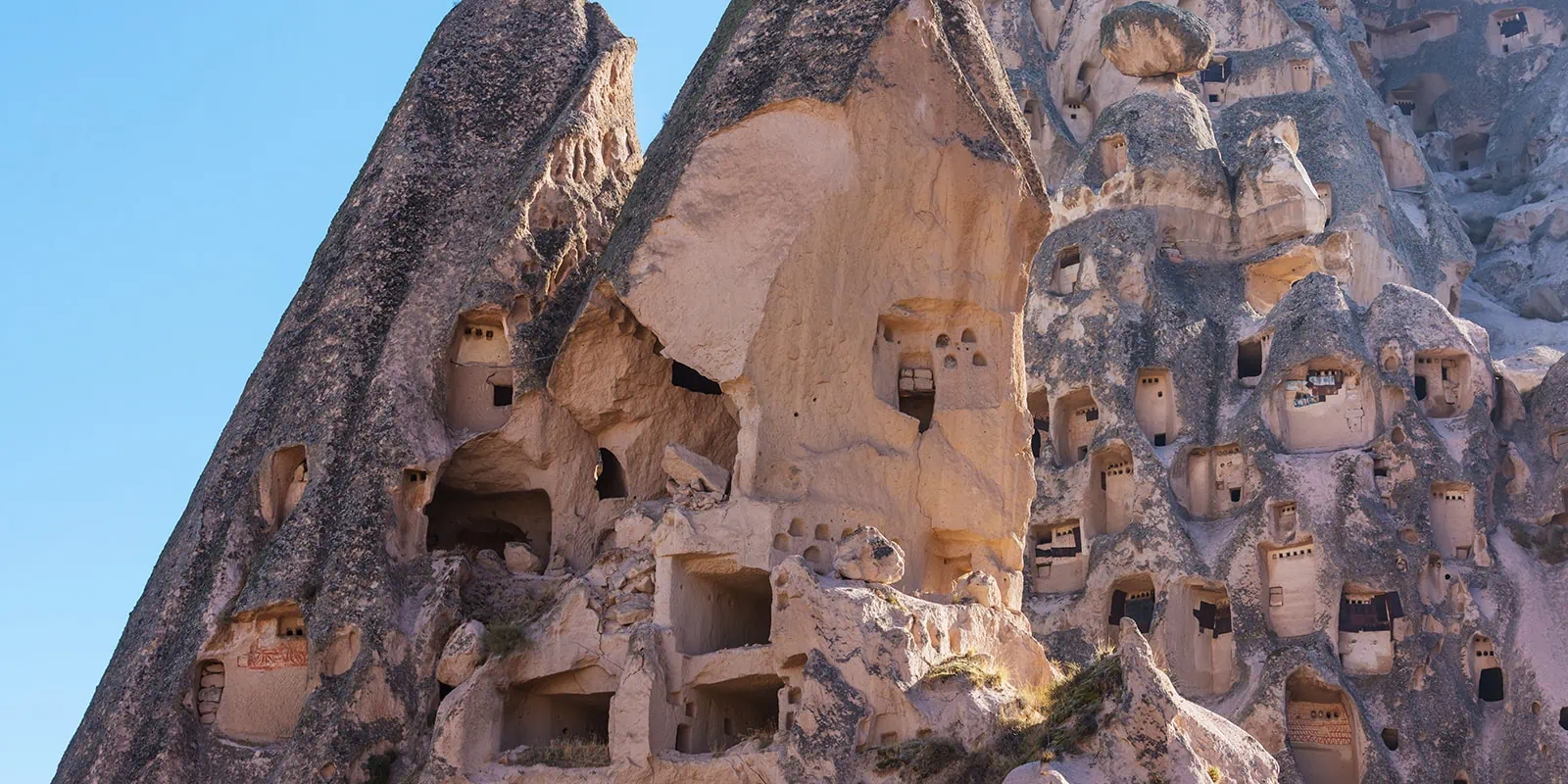
In the enchanting land of Cappadocia, a world of architectural wonders awaits. From the soaring Pigeon Houses that grace its skies to the ancient Cave Dwellings that have stood the test of time, this region is a testament to human ingenuity and nature’s artistry. The Fairy Chimneys stand as tall sentinels, sculpted by centuries of wind and erosion. The Rock-Cut Churches are awe-inspiring sanctuaries carved into stone. And amidst it all, Cave Hotels offer a unique blend of tradition and modernity. Through preservation efforts, we safeguard these treasures for generations to come. Let us capture the beauty of Cappadocia’s architecture through photography and art, for they hold deeper meanings waiting to be explored.