




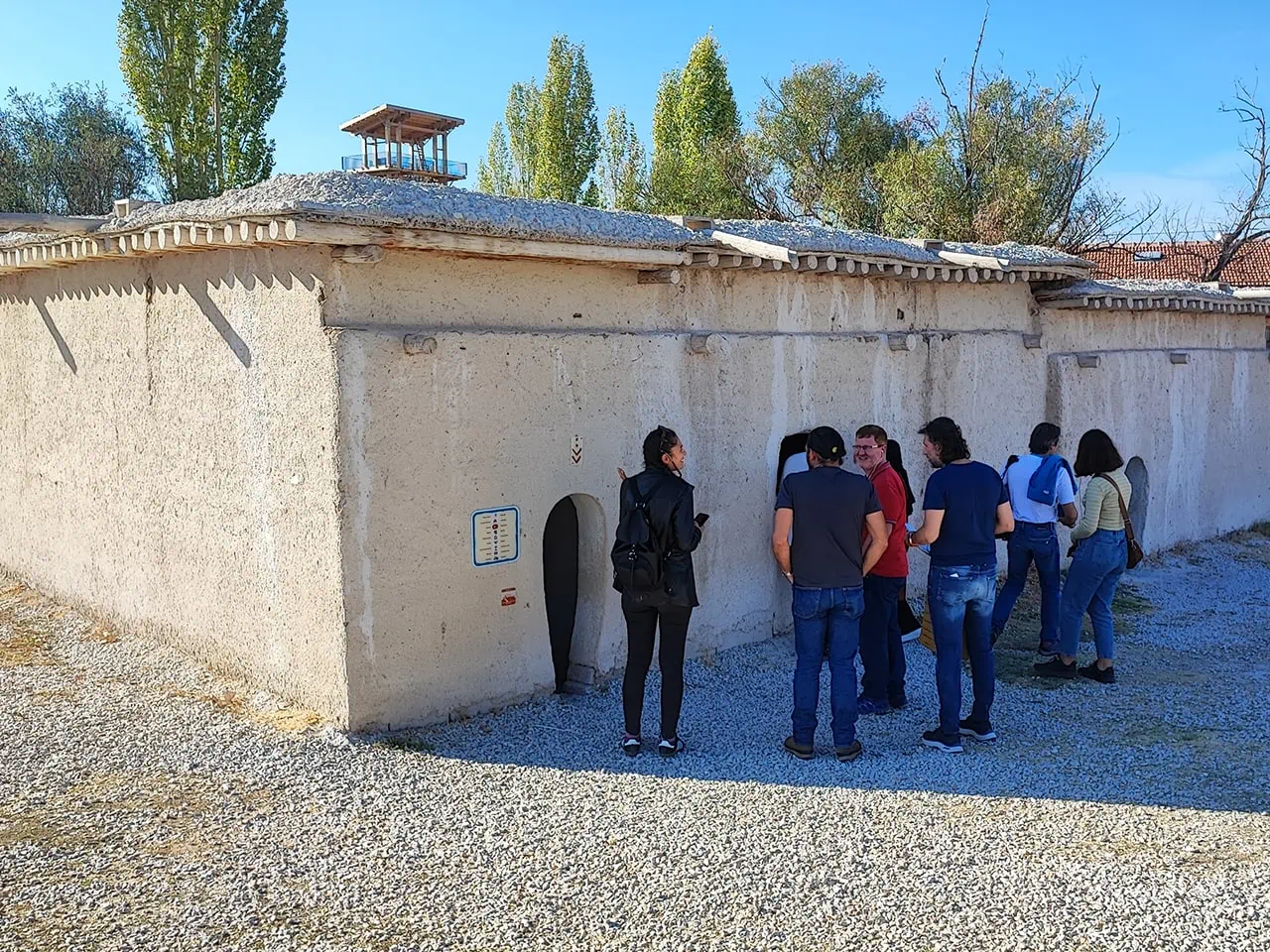
Nestled in the heartland of Anatolia, Çatalhöyük stands as a captivating archaeological site that beckons us to delve deep into its enigmatic past. This ancient city, dating back over 9,000 years, has long intrigued researchers and historians alike due to its remarkable preservation and unique architectural layout. Unveiling the secrets held within its walls requires a meticulous examination of evidence from various disciplines, such as archaeology, anthropology, and art history. By embarking on this intellectual journey, we can hope to unravel the mysteries that shroud Çatalhöyük and gain insights into the lives of our distant ancestors.
At first glance, Çatalhöyük may appear as just another archaeological site; however, it is far from ordinary. It presents an unparalleled opportunity to witness human civilization in its infancy—a snapshot frozen in time. The alluring allure of this ancient city lies not only in its well-preserved structures but also in its intricate social organization and artistic expressions found within each dwelling. Through systematic analysis of material remains and careful interpretation of murals depicting daily life scenes or symbolic motifs, researchers have begun to piece together a detailed picture of this complex society.
The Ancient City of Çatalhöyük
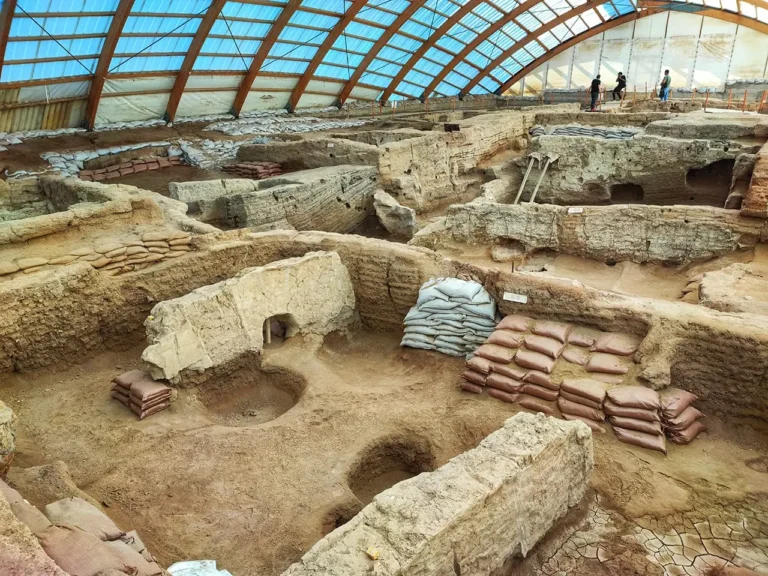
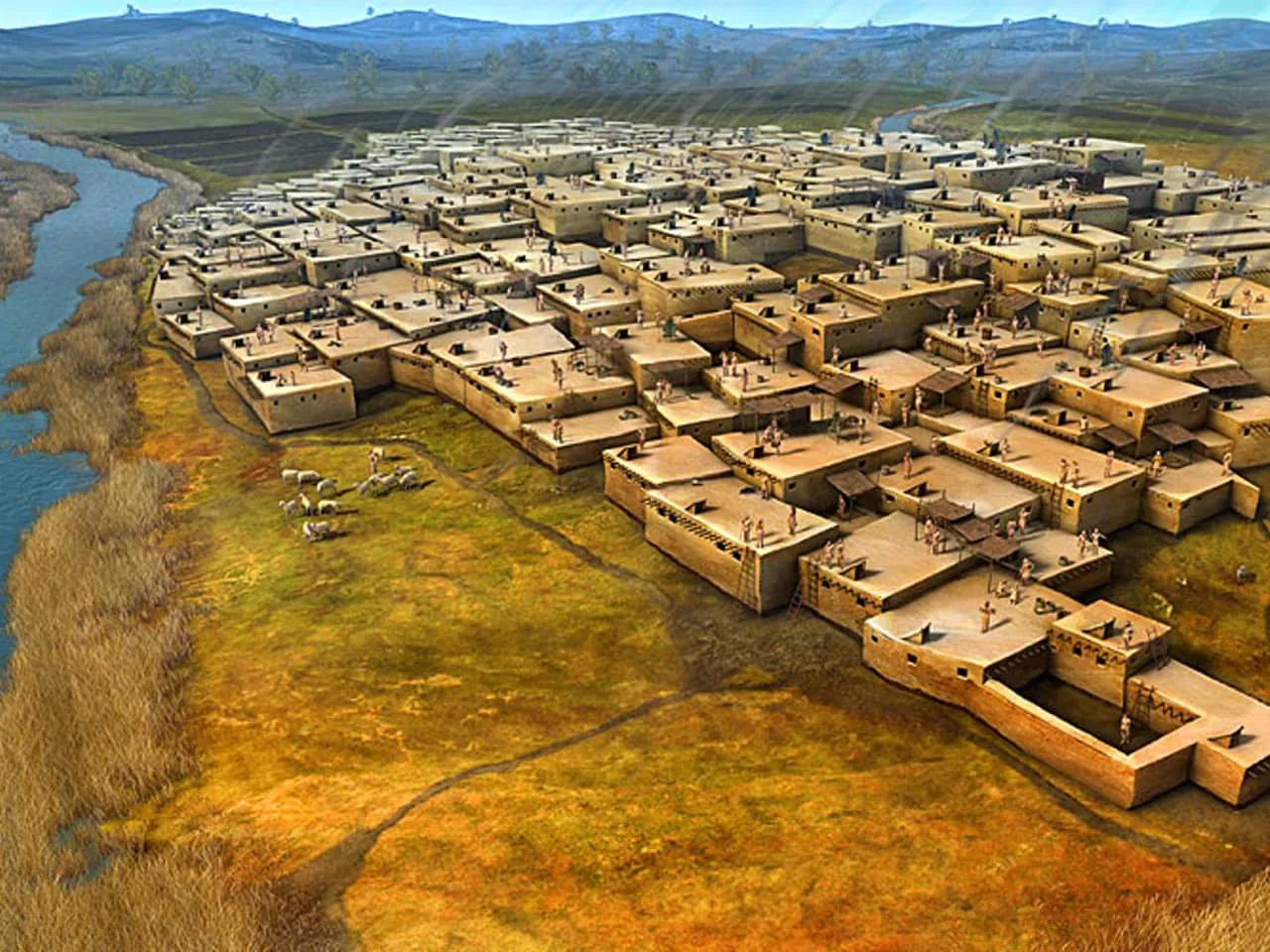
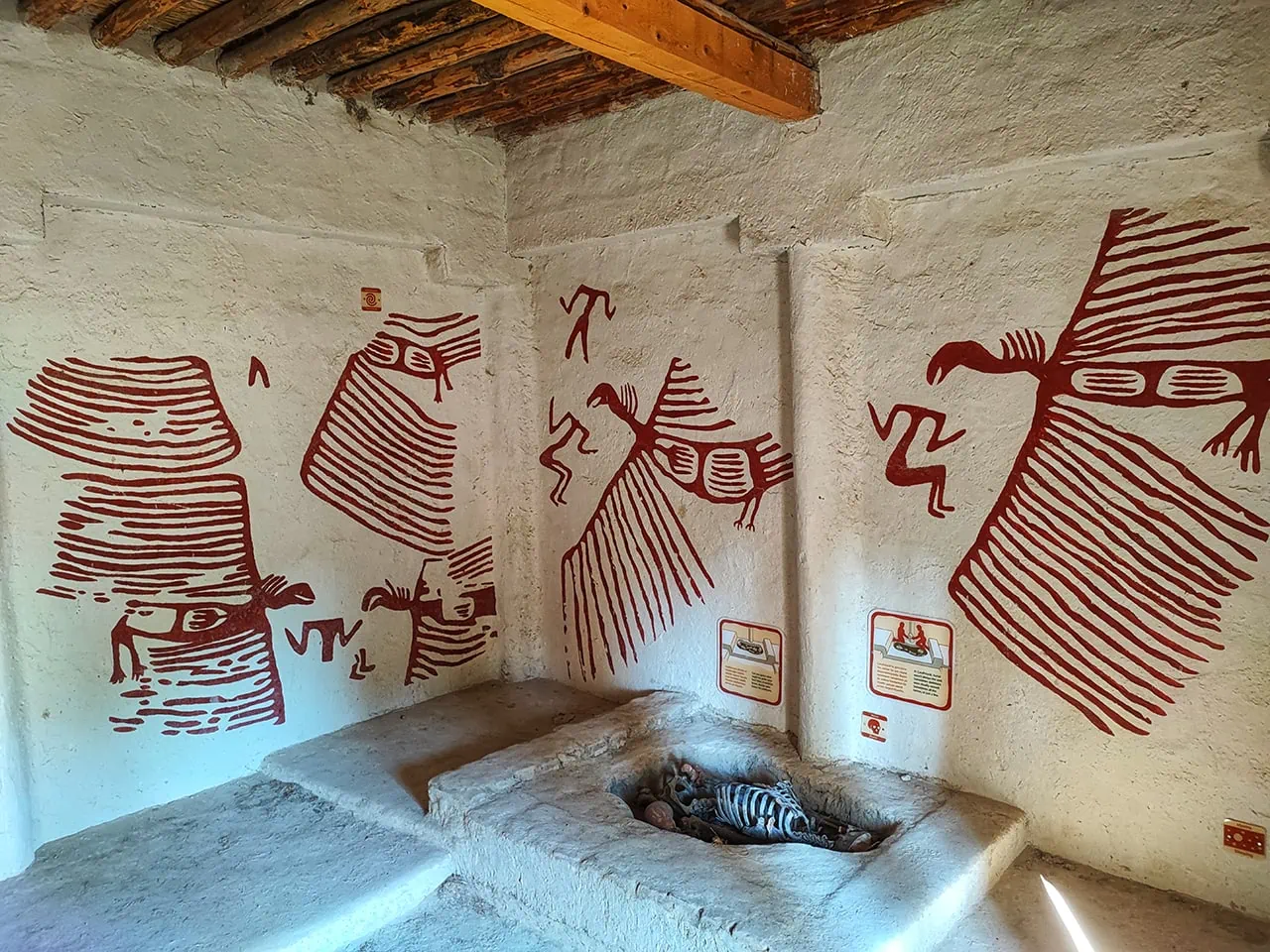
The Ancient City of Çatalhöyük has been the subject of extensive archaeological research, leading to the unraveling of its mysteries and providing insights into the social organization and cultural practices of its inhabitants. This Neolithic site, located in present-day Turkey, flourished between 7500-5700 BCE and is considered one of the most important archaeological discoveries in recent history. Through meticulous excavations and analysis of artifacts, researchers have pieced together a complex picture of life in this ancient city. The layout of Çatalhöyük defies traditional notions of urban planning, with houses built closely together without streets or alleys. Instead, residents accessed their homes through roof entrances, suggesting a tight-knit community that prioritized communal living over individual privacy. The walls within these dwellings were adorned with vivid murals depicting scenes from daily life and religious rituals. These paintings provide valuable insights into the spiritual beliefs and cultural practices of the people who lived here thousands of years ago. Furthermore, evidence suggests that Çatalhöyük was an egalitarian society where gender roles were not strictly defined. Burial sites reveal that both men and women were buried with equal care and attention, indicating a level of gender equality uncommon for its time period. As we delve deeper into the excavations and archaeological discoveries at Çatalhöyük, we will gain a better understanding of how this ancient city functioned and what it can teach us about early human civilization.
Excavations and Archaeological Discoveries
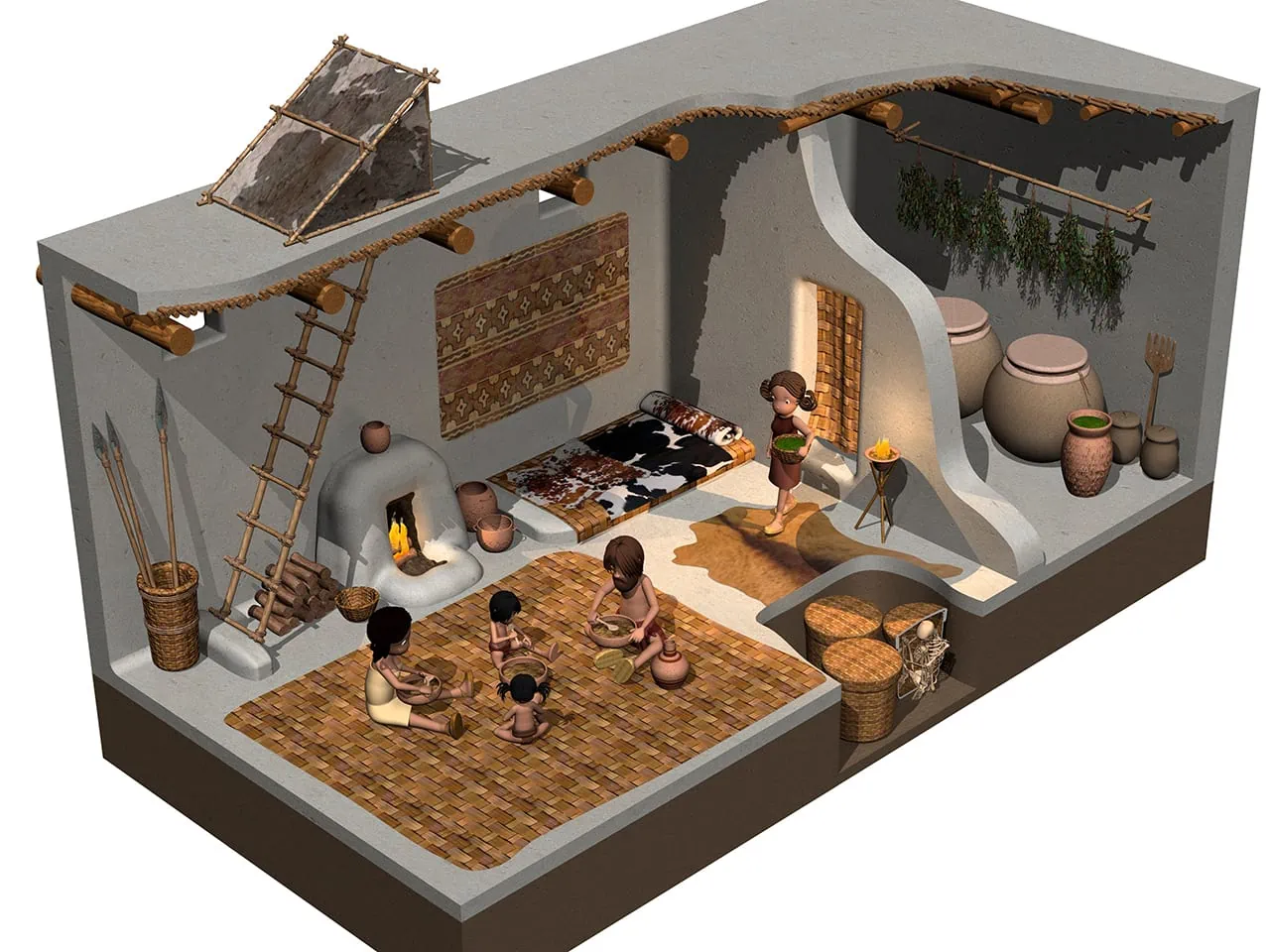
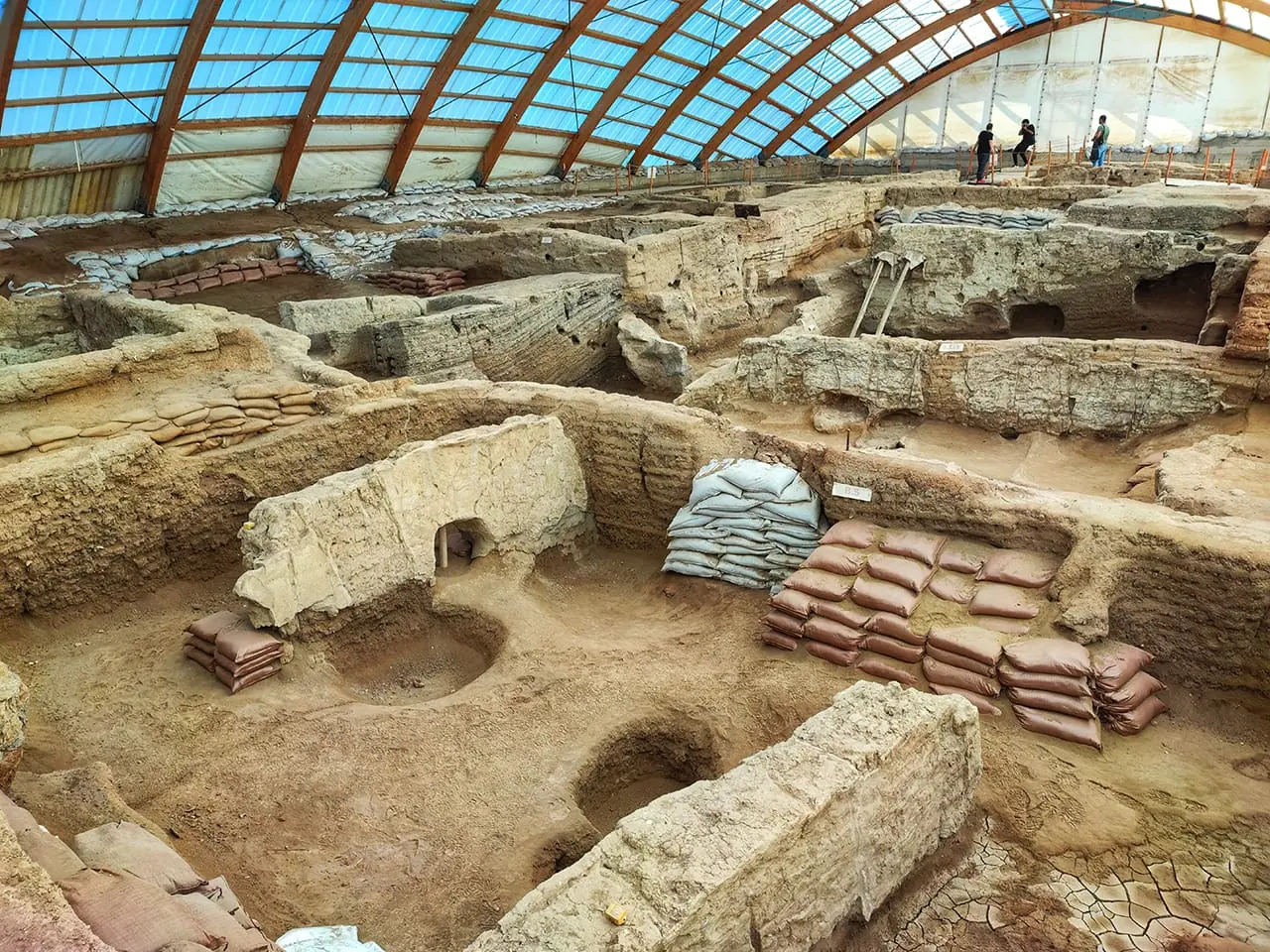
Excavations at the archaeological site have unearthed numerous artifacts and structures that provide valuable insights into the past civilization of this historical settlement. These discoveries offer a glimpse into the daily lives, cultural practices, and technological advancements of the people who inhabited Çatalhöyük. The findings include pottery vessels adorned with intricate designs, figurines representing humans and animals, as well as tools crafted from bone and obsidian. Additionally, evidence of early agricultural practices has been uncovered, such as storage pits filled with domesticated grains and remains of cultivated plants. The excavation also revealed a complex architectural layout consisting of interconnected houses built side by side without streets or pathways. This unique urban design suggests a communal way of living where residents accessed their homes through rooftop entrances. The absence of doors on ground level implies a sense of security within the tightly knit community. Furthermore, wall paintings depicting scenes from everyday life shed light on their social structure and religious beliefs. All these findings contribute to our understanding of the ancient city’s organization and provide invaluable knowledge about its inhabitants’ way of life. Transitioning into the subsequent section about ‘architecture and urban life at Çatalhöyük,’ these excavations demonstrate not only the material culture but also offer insights into how people lived in this remarkable settlement during its heyday
Architecture and Urban Life at Çatalhöyük
Archaeologists have discovered a complex architectural layout at the site of Çatalhöyük, consisting of interconnected houses built side by side without streets or pathways. This unique urban design indicates a highly organized and densely populated settlement. The absence of streets suggests that the inhabitants of Çatalhöyük relied on rooftop entrances for accessing their homes. The buildings were constructed using a combination of mud-brick and wooden beams, creating sturdy structures that could withstand the test of time. Inside these houses, archaeologists have found evidence of various rooms dedicated to specific functions such as storage areas and workshops, indicating a division of labor within the community. Additionally, wall paintings depicting scenes from daily life provide valuable insights into the social and cultural practices of the people living in Çatalhöyük. These archaeological findings not only reveal the sophisticated architectural planning but also offer glimpses into the lives and traditions of this ancient civilization. Transitioning into the subsequent section about ‘agricultural practices and foodways,’ it is evident that understanding how they sustained themselves through agriculture is crucial in comprehending their overall way of life.
Agricultural Practices and Foodways
Agricultural practices and foodways of the ancient civilization at Çatalhöyük shed light on their sustenance and provide a deeper understanding of their way of life. The people of Çatalhöyük relied heavily on agriculture for their survival, cultivating crops such as wheat, barley, lentils, and peas. They practiced a form of mixed farming, where they grew crops alongside raising domesticated animals like sheep and goats. This agricultural system allowed them to have a varied diet that included both plant-based foods and animal products. Excavations at the site have revealed evidence of storage facilities for grain, suggesting that surplus food was also stored for future use or trade. In addition to farming, the people of Çatalhöyük engaged in hunting wild animals like deer and boar, further diversifying their sources of food. The importance placed on agriculture is evident in the layout of the settlement itself, with houses built close together to maximize available land for cultivation.
| Crop | Animal Product |
| Wheat | Sheep’s wool |
| Barley | Goat’s milk |
| Lentils | Eggs |
| Peas | Meat |
By examining the agricultural practices and foodways at Çatalhöyük, we can gain insights into how this ancient civilization sustained themselves and shaped their daily lives around food production. Understanding these aspects not only provides us with a glimpse into their subsistence strategies but also highlights the significance of agriculture as a foundation for societal development during this time period. Moving forward into our exploration of trade and connectivity in Çatalhöyük, we will see how these agricultural practices played a role in connecting with other communities through exchange networks.
Trade and Connectivity
Trade and connectivity at Çatalhöyük played a pivotal role in fostering cultural exchange and economic development within the wider region. This ancient city was strategically located near major trade routes, allowing it to become a hub for interregional trade. Evidence suggests that the residents of Çatalhöyük engaged in long-distance trade, importing materials such as obsidian from distant sources. The presence of exotic goods at the site indicates that there was a network of trade connections extending beyond its immediate surroundings. Additionally, the discovery of different types of pottery at Çatalhöyük suggests that it had extensive connections with other communities, as pottery styles can serve as markers of cultural interaction. The interconnectedness facilitated by trade allowed for the exchange not only of goods but also ideas and knowledge, contributing to the cultural diversity and intellectual development seen at Çatalhöyük. This active engagement with external networks highlights the significance of trade and connectivity at this ancient city.
Transitioning into the subsequent section about Çatalhöyük’s influence on modern understanding: Through its vibrant trading network and extensive connections, Çatalhöyük has left an indelible mark on our modern understanding of ancient civilizations.
Çatalhöyük’s Influence on Modern Understanding
Trade and connectivity were crucial aspects of life in Çatalhöyük, contributing to the city’s prosperity and influence. The residents of Çatalhöyük engaged in long-distance trade networks that spanned across Anatolia and beyond, exchanging goods such as obsidian, seashells, and copper. These trade connections not only provided access to valuable resources but also fostered cultural exchange and the spread of ideas. Excavations at Çatalhöyük have revealed a remarkable array of artifacts from different regions, indicating the city’s role as a hub for interregional trade. Furthermore, the presence of exotic materials and objects from distant places suggests that Çatalhöyük had a significant impact on shaping our modern understanding of ancient civilizations’ interconnectedness. Studying these trading networks allows us to reconstruct patterns of exchange, understand social dynamics, and gain insights into the economic systems that operated in this ancient city. By unraveling the mysteries surrounding Çatalhöyük’s influence on trade and connectivity, we can expand our knowledge about prehistoric societies’ complex interactions. This understanding not only sheds light on our shared human history but also highlights how ancient communities like Çatalhöyük contributed to shaping the world we live in today. As we move towards concluding our exploration of Çatalhöyük’s mysteries, it is essential to reflect on its significance within the broader context of ancient civilizations.
Conclusion
In examining the rich archaeological evidence and interregional connections, it becomes clear that Çatalhöyük’s legacy extends far beyond its physical boundaries, offering valuable insights into the complex tapestry of ancient civilizations. The excavations at Çatalhöyük have revealed a wealth of information about the social structure, daily life, and religious practices of this Neolithic settlement. Through careful analysis of the archaeological remains, researchers have been able to reconstruct aspects of the community’s organization, such as their egalitarian society and communal living arrangements.
Additionally, the discovery of trade goods from distant regions suggests that Çatalhöyük was a hub for long-distance exchange networks, providing further evidence of its significance within a wider network of ancient societies. By studying this ancient city and its connections to other sites across Anatolia and beyond, scholars can gain a deeper understanding of how early civilizations interacted and developed over time. This exploration into Çatalhöyük not only sheds light on our past but also offers important lessons for contemporary societies grappling with similar issues of social organization and cultural exchange. Understanding the complexities of these ancient civilizations can provide valuable insights into our own world today.