Konya, located in the heart of Cappadocia, is a hidden gem waiting to be discovered by adventurous travelers. Known for its rich history, stunning architecture, and vibrant cultural scene, Konya offers an immersive experience that will leave visitors captivated. This travel guide aims to provide a comprehensive overview of Konya, equipping readers with all the necessary information to plan their own unforgettable adventure.
As you embark on your journey to Konya, prepare to be transported back in time. The city’s ancient roots date back thousands of years, and remnants of its past can be seen throughout its streets and landmarks. From the iconic Mevlana Museum, which houses the tomb of the famous poet Rumi, to the grand Selimiye Mosque with its breathtaking intricate detail, Konya is a testament to Turkey’s rich cultural heritage. But it’s not just history that awaits you here – Konya also boasts a vibrant arts scene and lively festivals that celebrate traditional music and dance. Whether you’re exploring centuries-old buildings or immersing yourself in local traditions, Konya offers an authentic experience that will leave you craving more.
In this guide, we’ll delve into every aspect of planning your trip to Konya. We’ll start by providing practical information on how to get there and navigate around the city once you arrive. Then we’ll explore the different accommodation options available, ensuring that you find the perfect place to rest after a day filled with exploration. Additionally, we’ll highlight some must-visit day trips and excursions from Konya that will allow you to further immerse yourself in this fascinating region.
So if you’re someone who yearns for freedom – whether it be freedom from everyday routines or simply freedom from mundane experiences – then join us as we uncover the timeless allure of Konya. Get ready for an adventure like no other as we guide you through this mesmerizing city, igniting your sense of wanderlust and satisfying that subconscious desire for liberation.
Key Takeaways
- Konya is one of the largest cities in Turkey with a population of around 2 million.
- The city is ethnically diverse, with residents from different backgrounds and regions within Turkey.
- Konya is known for its agricultural sector, traditional industries like carpet weaving and ceramics, and recent industrial growth.
- The best time to visit Konya is during the spring or autumn months.
Konya Turkey: A Hidden Gem in Cappadocia

Konya, located in the Cappadocia region of Turkey, offers a unique and captivating travel experience for those seeking to explore lesser-known destinations.
Known as a hidden gem within the Cappadocia region, Konya is often overshadowed by its more famous neighboring cities. However, this charming city has plenty to offer visitors who are willing to venture off the beaten path. One of the highlights of visiting Konya is discovering its hidden gems. Away from the tourist crowds, visitors can explore historical sites such as the Alaaddin Mosque and Mevlana Museum, which showcases the life and teachings of the renowned poet and philosopher Rumi. These attractions provide an insight into Konya’s rich cultural heritage and offer a serene atmosphere for reflection. For those interested in exploring beyond Konya’s city limits, Cappadocia tours are readily available. This region is famous for its unique landscape characterized by fairy chimneys, ancient cave dwellings, and surreal rock formations. Exploring these natural wonders through guided tours allows visitors to truly appreciate their beauty while learning about their geological significance.
No visit to Konya would be complete without indulging in its local cuisine. The city boasts a vibrant food scene with numerous traditional restaurants serving mouthwatering dishes influenced by Turkish and Middle Eastern flavors. From succulent kebabs to aromatic soups and delectable desserts like baklava or kunefe, there is no shortage of culinary delights awaiting adventurous food enthusiasts. In addition to historical sites and gastronomic experiences, Konya also hosts various traditional festivals throughout the year. One such festival is the Mevlana Whirling Dervishes Festival held annually in December to commemorate Rumi’s death anniversary. This mesmerizing event showcases Sufi rituals accompanied by captivating music that transcends language barriers and inspires a sense of spiritual awakening.
While exploring Konya’s charms, visitors will also find an array of shopping options. The city is known for its craftsmanship in a variety of traditional arts, including carpet weaving, ceramics, and metalwork. Artisanal shops and local markets offer unique souvenirs that reflect the region’s cultural heritage, allowing travelers to bring a piece of Konya’s charm back home.
Konya presents itself as a hidden gem within the Cappadocia region, offering visitors an opportunity to explore lesser-known destinations. From historical sites and captivating festivals to mouthwatering cuisine and unique shopping experiences, there is something for everyone in this charming city. Transitioning into the subsequent section about ‘overview,’ it becomes evident that Konya has much more to offer beyond its initial impression as a lesser-known destination.
Overview
Konya, a hidden gem in Cappadocia, is an enchanting town located in the heart of Turkey.
With a rich and diverse history, Konya holds great significance in the region.
As one of the oldest continuously inhabited cities in the world, it has witnessed the rise and fall of numerous civilizations throughout its existence.
Today, Konya boasts a population that is both diverse and vibrant, with residents from different ethnic backgrounds contributing to its unique cultural fabric.
Introduction to Konya and its location in Cappadocia
Located in the heart of Cappadocia, Konya serves as a captivating destination that seamlessly blends history, culture, and natural beauty. As an introduction to Konya, it is essential to understand its location within the larger region of Cappadocia. Nestled in central Turkey, Konya is situated approximately 260 kilometers south of Ankara, the capital city. This strategic position places it at the crossroads between major cities like Istanbul and Antalya, making it easily accessible for travelers from different parts of the country.
In terms of demographics, Konya is home to a diverse population that reflects Turkey’s multicultural heritage. The city has witnessed influences from various civilizations throughout history, including Byzantine Greeks and Seljuk Turks. Today, it houses a majority Muslim population but also encompasses smaller communities representing other religious and ethnic backgrounds. When it comes to transportation options in Konya, visitors have multiple choices available. The city boasts an international airport that connects it with numerous domestic and international destinations. Additionally, there are well-developed road and rail networks linking Konya with other major cities in Turkey. Once in the city, tourists can explore its historical heritage through guided tours or by using public transportation such as buses or taxis.
Transition: Now that we have explored the introduction to Konya and its location within Cappadocia, let us delve into a brief history of the town and its significance in the region without forgetting our subconscious desire for freedom.
Brief history of the town and its significance in the region
Nestled in the heart of Cappadocia, this captivating town has a rich history and holds significant cultural importance in the region. Konya’s historical significance dates back thousands of years, with evidence of human habitation from as early as the Neolithic period. Throughout its long and storied past, Konya has been influenced by various civilizations, including the Hittites, Phrygians, Greeks, Romans, Byzantines, Seljuks, and Ottomans. This diverse cultural heritage can be seen in the architectural styles that grace the city’s streets.
The cultural impact of Konya extends beyond its architectural beauty. The town is renowned for its association with Turkish literature and Sufism. Known as the home of Rumi, one of the greatest Persian poets and mystics who founded the Mevlevi Order (also known as Whirling Dervishes), Konya attracts visitors from all over the world who seek spiritual enlightenment. Additionally, Konya boasts famous landmarks such as Alaaddin Hill with its panoramic views of the cityscape, Ince Minaret Medrese – an ancient theological school turned museum showcasing intricate Seljuk architecture – and Mevlana Museum which houses Rumi’s tomb. With its historical significance and profound influence on Turkish literature and Sufism, Konya offers a mesmerizing glimpse into Turkey’s rich cultural tapestry.
Transitioning into the subsequent section about ‘population and demographics,’ it is important to note how these aspects have shaped and continue to shape Konya as a thriving community.
Population and demographics
With a vibrant and diverse population, this captivating town in the heart of Cappadocia attracts people from various walks of life, creating a melting pot of cultures that adds to its allure. Konya is home to approximately 2 million residents, making it one of the largest cities in Turkey. The population density is relatively high, with people living in both urban and suburban areas. In terms of age distribution, Konya has a fairly balanced demographic profile. It has a significant youth population, with many students attending the renowned Selçuk University located in the city. At the same time, there is also a sizable older population, reflecting the city’s historical significance and long-established communities.
Konya boasts ethnic diversity as well, with residents hailing from different backgrounds and regions within Turkey. This diversity brings about an enriching cultural exchange and contributes to Konya’s unique atmosphere. Moreover, migration patterns have played a role in shaping the city’s demographics over time. People from surrounding rural areas have moved to Konya seeking better economic opportunities or education. Socioeconomic indicators reveal that while Konya is known for its agricultural sector and traditional industries such as carpet weaving and ceramics, it has also experienced significant industrial growth in recent years. This has led to improvements in overall living standards and increased employment opportunities for its residents.
As you prepare for your Konya adventure without writing ‘step’, it is important to consider what attractions you would like to explore during your visit.
Preparing for Your Konya Adventure
When planning a trip to Konya, it is important to consider the best time to visit. The city experiences hot summers and cold winters, so the ideal time to explore Konya’s attractions would be during the spring or autumn months when the weather is pleasant. Additionally, it is essential to keep in mind some travel tips such as respecting local customs and traditions, dressing modestly while visiting religious sites, and carrying cash as credit cards may not be widely accepted.
Lastly, make sure to pack accordingly by including comfortable walking shoes for exploring the city’s historical sites, lightweight clothing for warm days, and layers for cooler evenings.
Best time to visit Konya
The ideal time to plan a visit to Konya would be contingent upon the distinct seasonal variations and climatic conditions prevalent in the region. Konya, located in Turkey, experiences a continental climate with hot summers and cold winters. The best time to visit Konya is during the spring months of April and May or in the autumn months of September and October when the weather is mild and pleasant. To further understand the weather patterns in Konya, let’s take a look at this table:
| Season | Temperature Range | Weather |
| Spring | 10°C – 20°C | Mild temperatures with occasional rain |
| Summer | 25°C – 35°C | Hot temperatures with little rainfall |
| Autumn | 15°C – 25°C | Pleasant temperatures with occasional rain |
| Winter | -5°C – 5°C | Cold temperatures with snowfall |
During spring, Konya showcases its natural beauty with blooming flowers and lush green landscapes. This season offers comfortable temperatures for exploring outdoor attractions like Mevlana Museum or Alaaddin Hill without being overwhelmed by heat or cold. Similarly, autumn presents a picturesque setting as leaves change colors, providing visitors with breathtaking views of the city. Planning your trip to Konya during spring or autumn ensures enjoyable weather conditions for sightseeing and exploration. Now let’s move on to essential travel tips and packing list suggestions for your adventure in Konya without any delay.
Essential travel tips and packing list
One important aspect to consider for a successful trip to Konya is being prepared with essential travel tips and a comprehensive packing list.
For example, an experienced traveler named Sarah found that having a comfortable pair of walking shoes and a lightweight rain jacket were indispensable during her visit to Konya in the spring, allowing her to explore the city comfortably while being prepared for unexpected showers.
In addition to these items, here are five essential things to include in your packing list when traveling to Konya:
- Modest clothing: As Konya is a conservative city with strong Islamic traditions, it is advisable to dress modestly out of respect for the local culture. This means avoiding revealing clothing and opting for loose-fitting garments that cover your shoulders and knees.
- Scarf or shawl: Women may find it useful to carry a scarf or shawl as they may need it when visiting religious sites such as mosques or mausoleums. It can also come in handy as an extra layer during cooler evenings.
- Portable water bottle: Staying hydrated is crucial, especially during summer months when temperatures can soar in Konya. Having a portable water bottle allows you to conveniently refill it throughout the day from public fountains or restaurants.
- Universal power adapter: If you’re traveling from another country, make sure to bring a universal power adapter so that you can charge your electronic devices without any issues.
- Turkish phrasebook: While many locals in tourist areas speak English, knowing some basic Turkish phrases can go a long way in enhancing your interactions with locals and immersing yourself in the local culture.
With these travel tips and packing essentials covered, you’ll be well-prepared for an enjoyable trip exploring the must-see attractions, savoring local cuisine, and experiencing cultural immersion opportunities that await you in Konya.
Transition into the subsequent section about ‘getting to Konya’:
Once you have all your essential items packed, it’s time to plan your journey and find the best way to get to Konya.
Getting to Konya
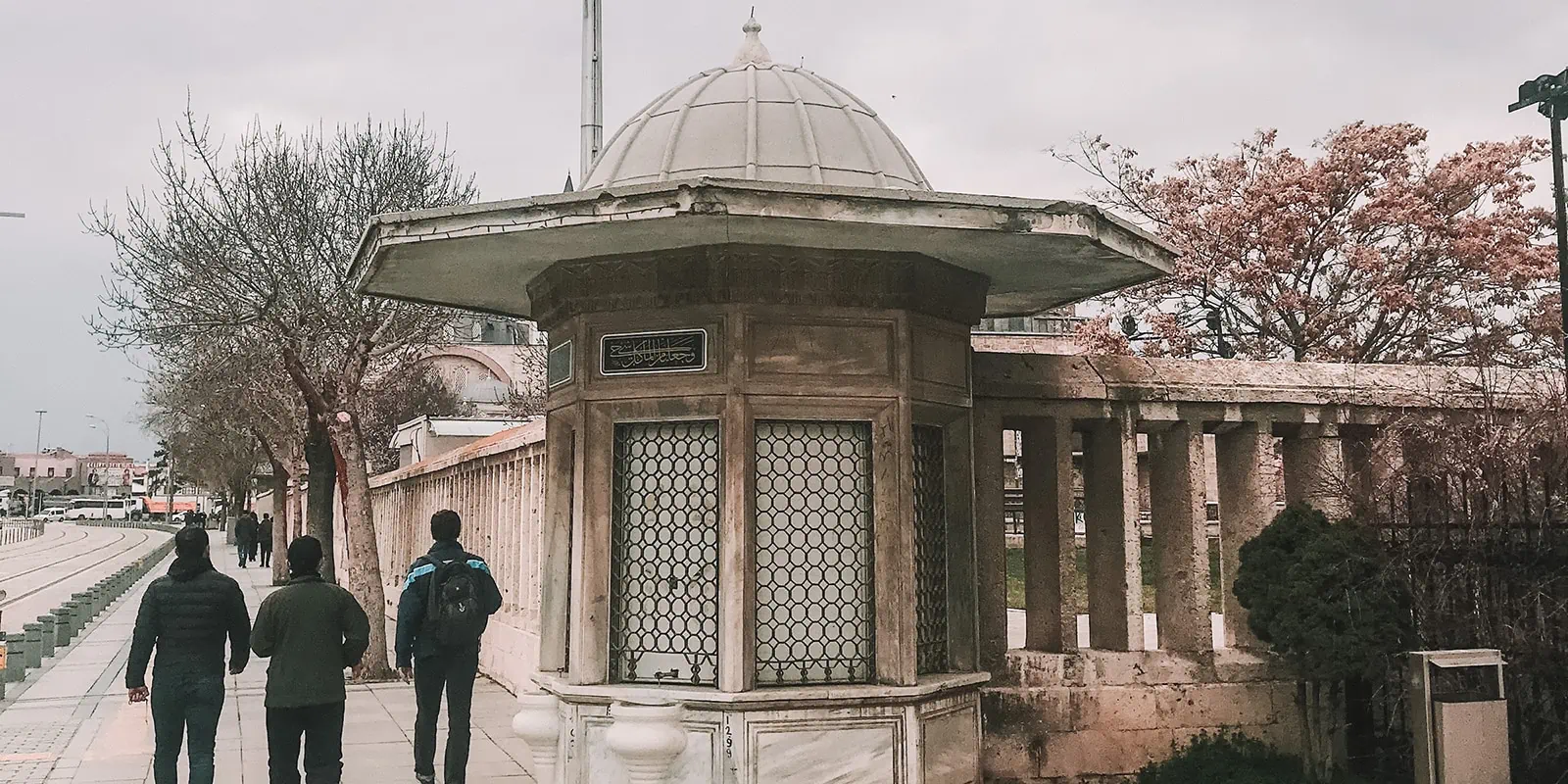
This paragraph will discuss the transportation options to Konya, including traveling by air, bus, and car. Konya can be easily accessed through various means of transportation.
Traveling by air is a convenient option as there are regular flights to the city’s airport from major domestic and international cities. Additionally, buses provide a cost-effective mode of transport with numerous routes connecting Konya to different regions within Turkey. Lastly, for those preferring more flexibility and independence, traveling by car allows for a scenic journey and the opportunity to explore surrounding areas at one’s own pace.
Transportation options to Konya
Transportation options to Konya encompass a variety of modes, including public transportation, taxi services, rental car options, train connections, and shuttle services. The city of Konya has a well-developed public transportation system consisting of buses that provide easy access to different parts of the city. These buses are an affordable and convenient option for travelers who want to explore Konya and its surroundings. Additionally, taxi services are readily available throughout the city, offering a more personalized mode of transportation.
For those who prefer the freedom to explore at their own pace, rental car options are also available in Konya. Renting a car allows visitors to have greater flexibility in their travel plans and enables them to easily reach destinations outside the city center. Moreover, Konya is well-connected by train services, with regular routes linking it to other major cities in Turkey. This provides an efficient means of transportation for those arriving from or heading towards other parts of the country.
Moving on to air travel.
By Air
Air travel is a popular and efficient mode of transportation for individuals seeking to reach Konya or travel from the city to other destinations within Turkey. The city of Konya has its own airport, conveniently named the Konya Airport, which serves as a major gateway for both domestic and international flights. Travelers have a wide range of flight options when it comes to reaching Konya, with several airlines offering regular services to and from the city. Whether it’s a short domestic flight from Istanbul or an international journey from Europe or beyond, air travel provides ease and convenience for those looking to visit or depart from Konya.
There are several advantages to choosing air travel when planning a trip to Konya. Firstly, flying saves time compared to other modes of transportation such as driving or taking the bus. With increased speed and efficiency, travelers can arrive at their destination in a fraction of the time it would take by road. Additionally, airports offer various facilities that enhance the overall experience for passengers. These facilities may include duty-free shops where travelers can indulge in shopping before their flight, lounges where they can relax and unwind, as well as restaurants and cafes serving delicious meals and beverages. Booking flights to Konya is relatively easy with numerous online platforms available that allow travelers to compare prices and find the best deals. One can easily search for flights based on their preferred dates, times, and budget constraints. It is advisable to book tickets in advance as this increases the chances of securing better fares and ensures availability during peak seasons.
Now that we have explored air travel options available for traveling to or from Konya let’s delve into another popular mode of transportation – traveling by bus.
By bus
The next mode of transportation to explore in our comprehensive travel guide is the popular and well-connected bus network. Konya boasts a robust bus system that offers convenient and affordable options for travelers. The city is served by numerous bus routes, making it easy to navigate and explore various attractions. Whether you’re looking to visit historical sites, museums, or simply move around the city, the bus network provides a reliable means of transportation. Ticket prices for buses in Konya are relatively inexpensive, making them an affordable option for budget-conscious travelers. The fares vary depending on the distance traveled, but they generally remain affordable even for longer journeys.
Bus schedules are well-maintained and buses typically run on time, ensuring that passengers can plan their trips with ease. Additionally, Konya has several modern and well-equipped bus stations located throughout the city. These stations not only serve as departure points but also offer amenities such as waiting areas, restrooms, and food stalls. With its extensive network of routes, reasonable ticket prices, reliable schedules, and comfortable amenities at bus stations, traveling by bus in Konya is a convenient and enjoyable experience.
However, if you prefer more flexibility or wish to venture further into the surrounding areas of Konya, the next section will provide information about exploring the region by car.
By car
When it comes to traveling in Konya, there are various transportation options available for tourists. While the previous subtopic discussed traveling by bus, another popular and convenient mode of transportation is by car. Driving in Konya allows visitors to have more flexibility and freedom to explore the city and its surroundings at their own pace.
Konya has well-maintained road infrastructure, making it an ideal destination for a road trip. There are several driving routes that offer breathtaking views of the countryside and allow travelers to immerse themselves in the natural beauty of the region. Some of these scenic drives include the Konya-Göreme route, which takes you through picturesque landscapes and historical sites such as Cappadocia, and the Konya-Antalya route, which offers stunning coastal views along with opportunities to visit ancient ruins like Perge. For those who prefer not to drive their own car, there are also car rental options available in Konya. Many reputable car rental companies operate in the city, offering a wide range of vehicles to suit different budgets and preferences. Renting a car provides tourists with convenience and flexibility during their stay as they can easily navigate through the city’s streets or venture out into the surrounding areas.
In addition to exploring Konya itself, renting a car opens up possibilities for exciting road trip itineraries beyond the city limits. Travelers can plan day trips or longer journeys to nearby destinations such as Pamukkale or Ephesus. The freedom that comes with having your own vehicle allows you to fully enjoy your travel experience without being tied down by public transportation schedules. As we move on from discussing traveling by car in Konya, let’s now delve into another aspect of getting around this vibrant city – exploring its local transportation options and attractions without needing a personal vehicle.
Getting Around
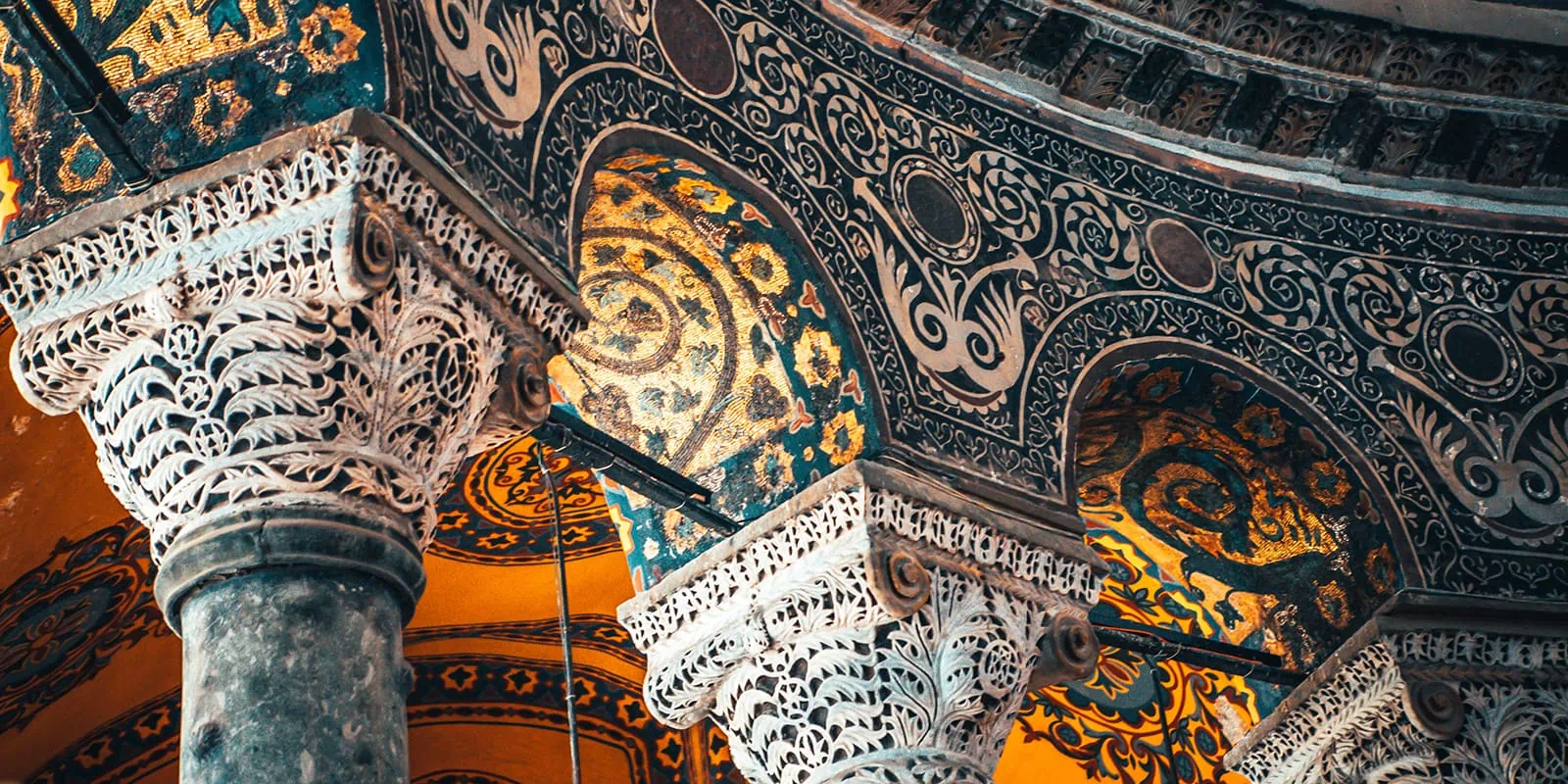
This discussion will focus on the location and coordinates of Konya, as well as the transportation options available within the city. Konya is located in central Turkey and its coordinates are approximately 37.8651° N latitude and 32.4825° E longitude. When traveling to Konya from major cities in Turkey, there are several transportation options available including flights, buses, and trains. Within the city itself, visitors can utilize public transportation such as buses and trams to explore various attractions and navigate through different neighborhoods.
Location and coordinates of Konya
Situated in the heart of Turkey, Konya boasts geographical coordinates that place it at a significant crossroads between the western and eastern parts of the country. With coordinates 37°52’N latitude and 32°29’E longitude, this vibrant city is strategically located to offer easy access to nearby attractions.
Konya is known for its rich history, ancient architecture, and warm hospitality. Visitors can explore iconic landmarks such as the Mevlana Museum, which houses the tomb of Rumi, a renowned poet and philosopher. Additionally, travelers can indulge in local cuisine that reflects the city’s cultural heritage, with dishes like Etli Ekmek (meat bread) and Firinlama (baked lamb) being popular choices. Accommodation options in Konya range from luxurious hotels to budget-friendly hostels, catering to different preferences and budgets. Furthermore, visitors can immerse themselves in local customs by participating in traditional Turkish tea ceremonies or witnessing authentic Sema rituals performed by dervishes.
As we transition into the subsequent section about how to get to Konya from major cities in Turkey, it is important to note that reaching this enchanting destination is convenient due to its central location within the country.
How to get to Konya from major cities in Turkey
Located in the heart of Turkey, Konya offers convenient transportation options for travelers looking to reach this enchanting destination from major cities throughout the country. Whether you prefer public transportation or enjoy embarking on a road trip adventure, there are various ways to make your way to Konya.
- Public transportation options:
Travelers can easily access Konya through an extensive network of buses that connect major cities in Turkey. Companies such as Metro Turizm and Kamil Koç offer comfortable and affordable bus services to Konya from cities like Istanbul, Ankara, and Antalya. These buses are equipped with modern amenities, ensuring a pleasant journey for passengers.
- Train connections to Konya:
Another popular option is taking a train to reach Konya. The high-speed train network in Turkey provides convenient connections between major cities, including Istanbul and Ankara. The YHT (Yüksek Hızlı Tren) operates regular services between these cities with stops at the iconic Konya Train Station. Traveling by train allows passengers to enjoy scenic views while experiencing the comfort and efficiency of rail travel. For those seeking alternative routes, ferry routes may be available depending on their starting point within Turkey. Additionally, road trips offer a sense of freedom and flexibility while traversing the beautiful Turkish landscapes on their way to Konya. Budget-conscious travelers will find that these transportation options provide cost-effective alternatives for reaching their desired destination.
With numerous choices available, getting to Konya is both accessible and exciting for travelers exploring different parts of Turkey. Once you have arrived in this captivating city known for its rich cultural heritage and breathtaking landmarks such as Mevlana Museum and Alaeddin Mosque, it’s time to delve into exploring the transportation options within Konya itself without skipping a beat!
Transportation options within Konya
Nestled in the heart of Konya, an array of transportation options await visitors to explore the city’s captivating attractions.
Public transportation is a convenient and affordable way to get around Konya. The city has a well-developed bus system with routes that cover most areas, making it easy for travelers to reach their desired destinations. Local buses are equipped with comfortable seating and air conditioning, ensuring a pleasant journey even during hot summer days.
For those who prefer a more private mode of transportation, taxi services are readily available throughout the city. Taxis offer the flexibility of door-to-door service and can be hailed on the street or called through a mobile app. Additionally, rental cars provide visitors with the freedom to explore Konya at their own pace. Several car rental agencies operate within the city, offering a range of vehicles to suit different preferences and budgets. Renting a car allows travelers to easily access popular attractions outside the city center and provides them with the opportunity to venture off the beaten path. Lastly, for those arriving by train or wishing to travel between cities in Turkey, Konya boasts excellent rail connections. The train station is conveniently located near the city center and offers regular services to major Turkish cities such as Istanbul and Ankara.
Transitioning into the subsequent section about ‘historical and cultural heritage,’ Konya’s rich transportation options make it effortless for visitors to embark on an exploration of its historical and cultural treasures without any constraints on their movement or time limitations.
Historical and Cultural Heritage
This discussion will focus on the historical and cultural heritage of Konya, Turkey. One key aspect is the presence of ancient cave churches and monasteries, which showcase the region’s rich religious history. These underground structures offer a glimpse into the spiritual practices and architectural prowess of past civilizations. Additionally, Konya boasts a legacy of ancient history and civilizations, with remnants from various periods scattered throughout the city. From Roman ruins to Byzantine architecture, visitors can immerse themselves in the diverse tapestry of cultures that have shaped this area over time.
Lastly, Konya is renowned for its local arts and crafts, which reflect both traditional techniques passed down through generations and contemporary artistic expressions. Visitors can explore vibrant markets filled with handmade textiles, ceramics, woodwork, and more – all showcasing the skill and creativity of local artisans.
Ancient cave churches and monasteries
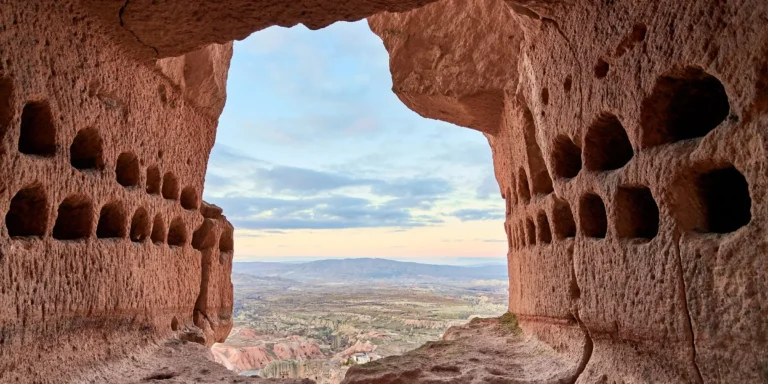
Ancient cave churches and monasteries in Konya provide a captivating glimpse into the rich religious history of the region. These architectural marvels, known as cave churches, are truly remarkable. Carved out of the natural rock formations, they showcase intricate designs and stunning details that leave visitors in awe. The monasteries, on the other hand, served as spiritual retreats for monks seeking solitude and contemplation. One of the most fascinating aspects of these cave churches and monasteries is their preservation of Byzantine art. Inside these ancient structures, one can find beautifully painted frescoes that depict biblical scenes and saints. These artworks serve as a testament to the skill and creativity of Byzantine artists who carefully crafted these treasures centuries ago. In addition to their artistic significance, these cave churches and monasteries also hold great religious importance. Many consider them pilgrimage sites where devotees come to seek blessings or pay homage to revered figures. Apart from their spiritual value, these caves were also used as unique living spaces by early inhabitants of Konya. Cave dwellings provided shelter from extreme weather conditions while offering a sense of security within the rocky terrain. Exploring these caves gives visitors an insight into the daily lives of those who once called them home.
As we delve further into exploring Konya’s historical heritage, it becomes evident that its ancient cave churches and monasteries are just a small part of its legacy. From ancient civilizations to empires that once thrived here, Konya bears witness to a vibrant past waiting to be discovered without writing ‘step’.
The legacy of the Ancient History and Civilizations
The legacy of the Ancient History and Civilizations in Konya can be seen through the remnants of architectural structures and artifacts that have withstood the test of time. The city is home to a plethora of ancient ruins, each telling a unique story about the civilizations that thrived in this region centuries ago.
From the impressive rock-cut churches of Cappadocia to the grandeur of Seljuk architecture, Konya offers a glimpse into its rich historical past.
- **Archaeological Discoveries**: Konya has been a treasure trove for archaeologists, revealing numerous archaeological discoveries that shed light on ancient civilizations. Excavations have unearthed ancient settlements, tombs, and temples, allowing historians to piece together the puzzle of Konya’s past.
- **Cultural Traditions**: The influence of ancient civilizations can still be felt in the cultural traditions of Konya today. Traditional dances and music passed down through generations reflect the customs and rituals practiced by those who inhabited these lands long ago.
- **Historical Artifacts**: Museums in Konya proudly display an array of historical artifacts that offer insights into daily life during different periods. Intricately carved statues, pottery fragments, and jewelry showcase the craftsmanship and artistic skills prevalent among ancient communities.
- **Ancient Civilizations**: From Hittites to Romans, Byzantines to Seljuks, various ancient civilizations have left their mark on Konya’s landscape. Each civilization contributed to shaping its history and culture.
The legacy of these ancient civilizations provides a fascinating backdrop for understanding modern-day Konya. As we transition into exploring ‘local arts and crafts,’ we delve deeper into how these historical influences continue to shape contemporary artistic expressions in this vibrant city.
Local arts and crafts
The legacy of ancient history and civilizations in Konya has greatly influenced the local arts and crafts scene. Traditional crafts continue to thrive in this region, with artisan workshops preserving traditional techniques and producing a wide range of local handmade products. These crafts not only serve as a means of livelihood for many artisans but also play a crucial role in cultural preservation.
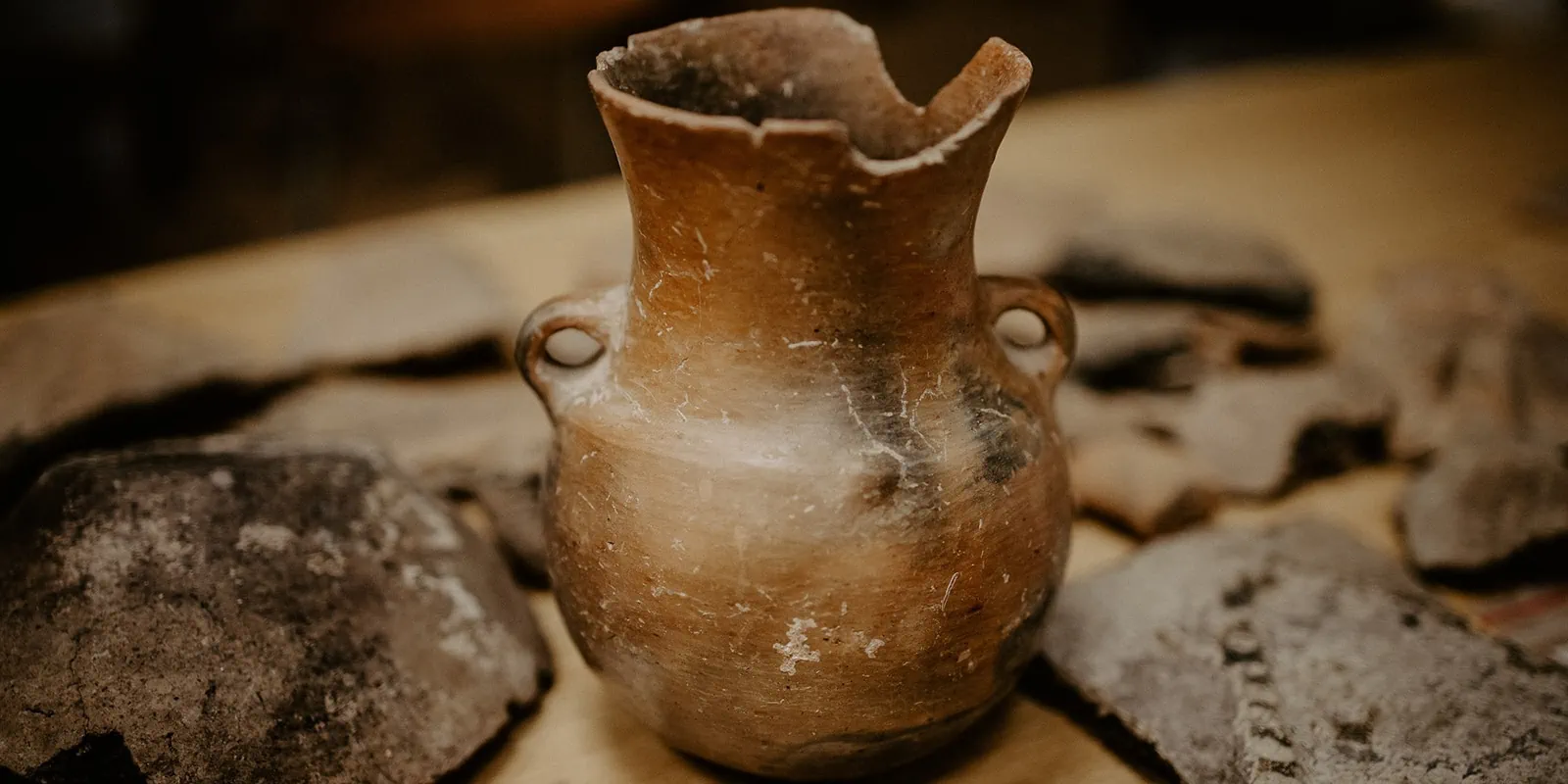
Artisans in Konya are known for their mastery of various traditional crafts such as carpet weaving, pottery, calligraphy, and metalwork. These skills have been passed down through generations, maintaining the rich heritage of the region. The intricate designs and vibrant colors found in Konya’s carpets reflect the artistic sensibilities that were developed centuries ago. Similarly, pottery produced by skilled craftsmen showcases the unique blend of tradition and innovation.
To provide a deeper understanding of the significance of these traditional crafts, here is a table highlighting some key examples:
| Craft | Description | Significance |
| Carpet Weaving | Hand-woven carpets using traditional patterns | eflects cultural identity |
| Pottery | Clay vessels crafted using ancient techniques | Preserves ancestral knowledge |
| Calligraphy | Artistic writing using Arabic script | Honors Islamic heritage |
| Metalwork | Intricate designs carved on metal objects | Showcases craftsmanship |
These local arts and crafts not only contribute to the economy but also offer visitors an opportunity to appreciate the skill and creativity involved. Exploring artisan workshops provides an immersive experience where one can witness firsthand how these traditional products are made. Transitioning into the subsequent section about ‘things to do,’ visitors can engage with the rich tapestry of culture by participating in various activities that showcase Konya’s vibrant traditions.
Things to Do

Konya offers a range of cultural and historical attractions for visitors to explore. One must-visit location is the Mevlana Museum, dedicated to the revered Persian poet and Sufi mystic, Rumi. This museum not only houses his mausoleum but also showcases various artifacts that provide insight into his life and teachings. For breathtaking views of the city, travelers can climb up Alaaddin Hill to discover the ruins of the Alaaddin Mosque while enjoying panoramic vistas. In addition, a visit to the village of Sille on the outskirts of Konya is recommended. Known for its well-preserved rock-cut churches, ancient monasteries, and traditional houses, Sille allows visitors to immerse themselves in historic architecture by strolling through its narrow streets.
Mevlana Museum (Mevlana Müzesi)
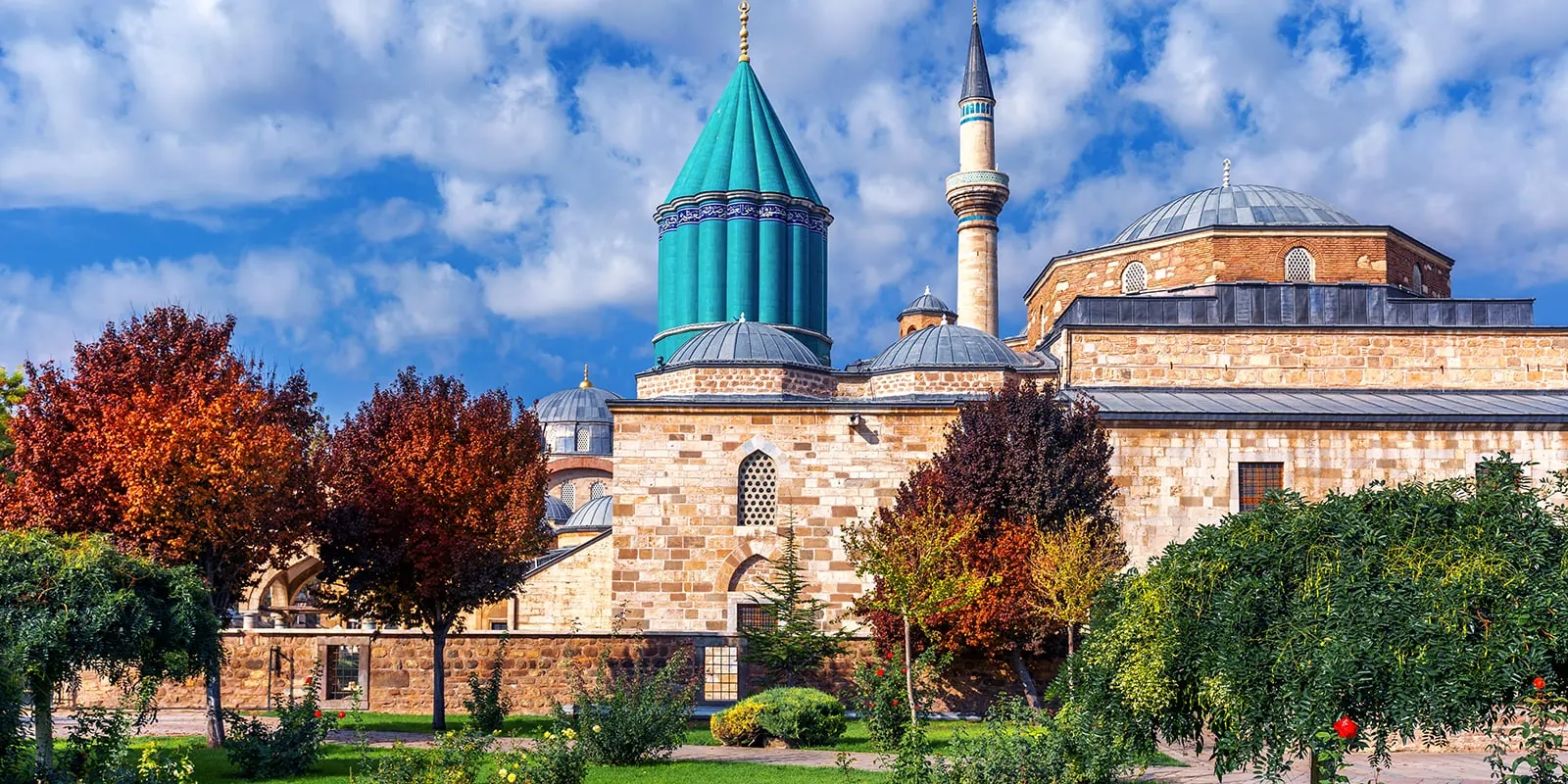
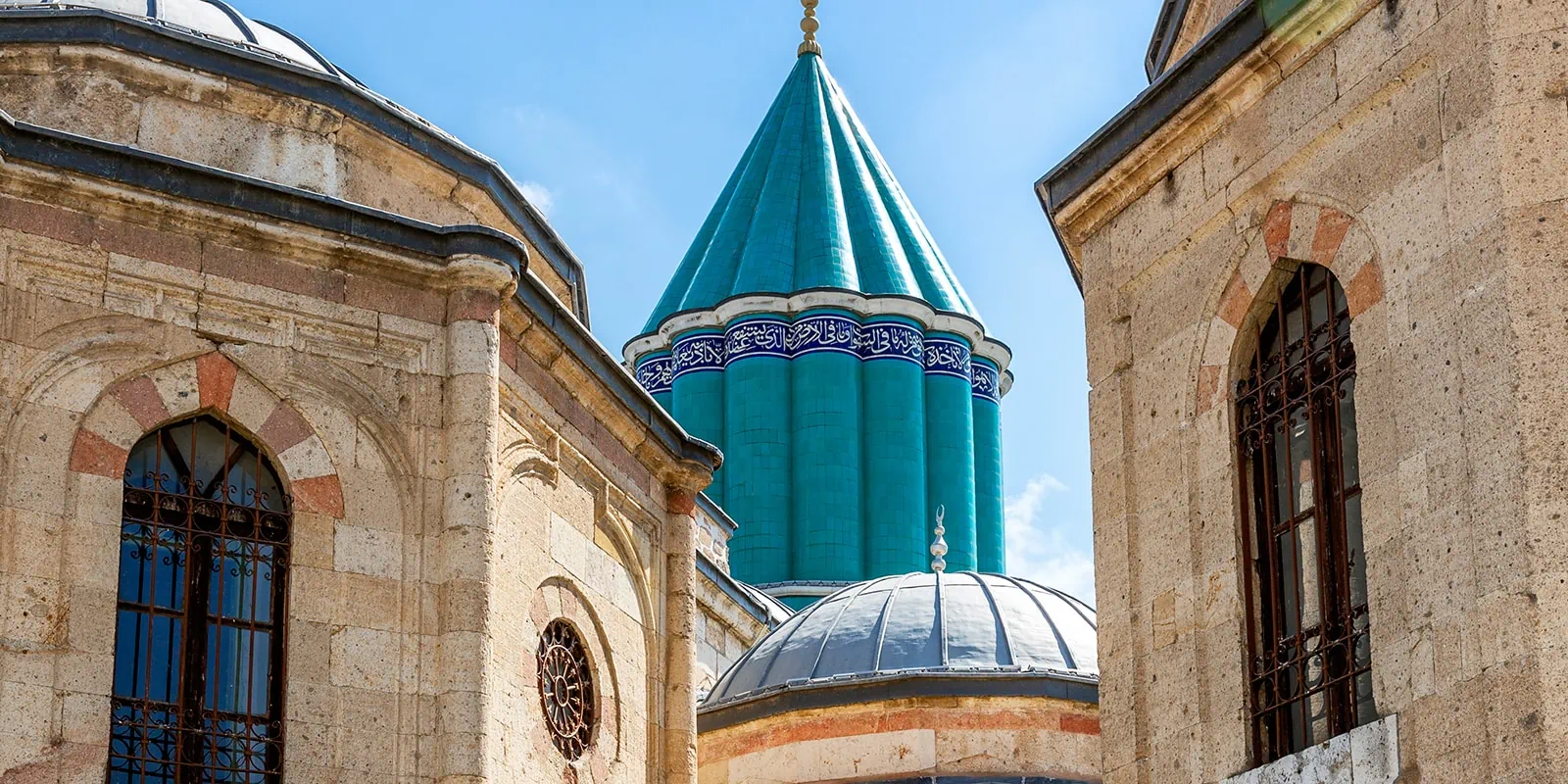
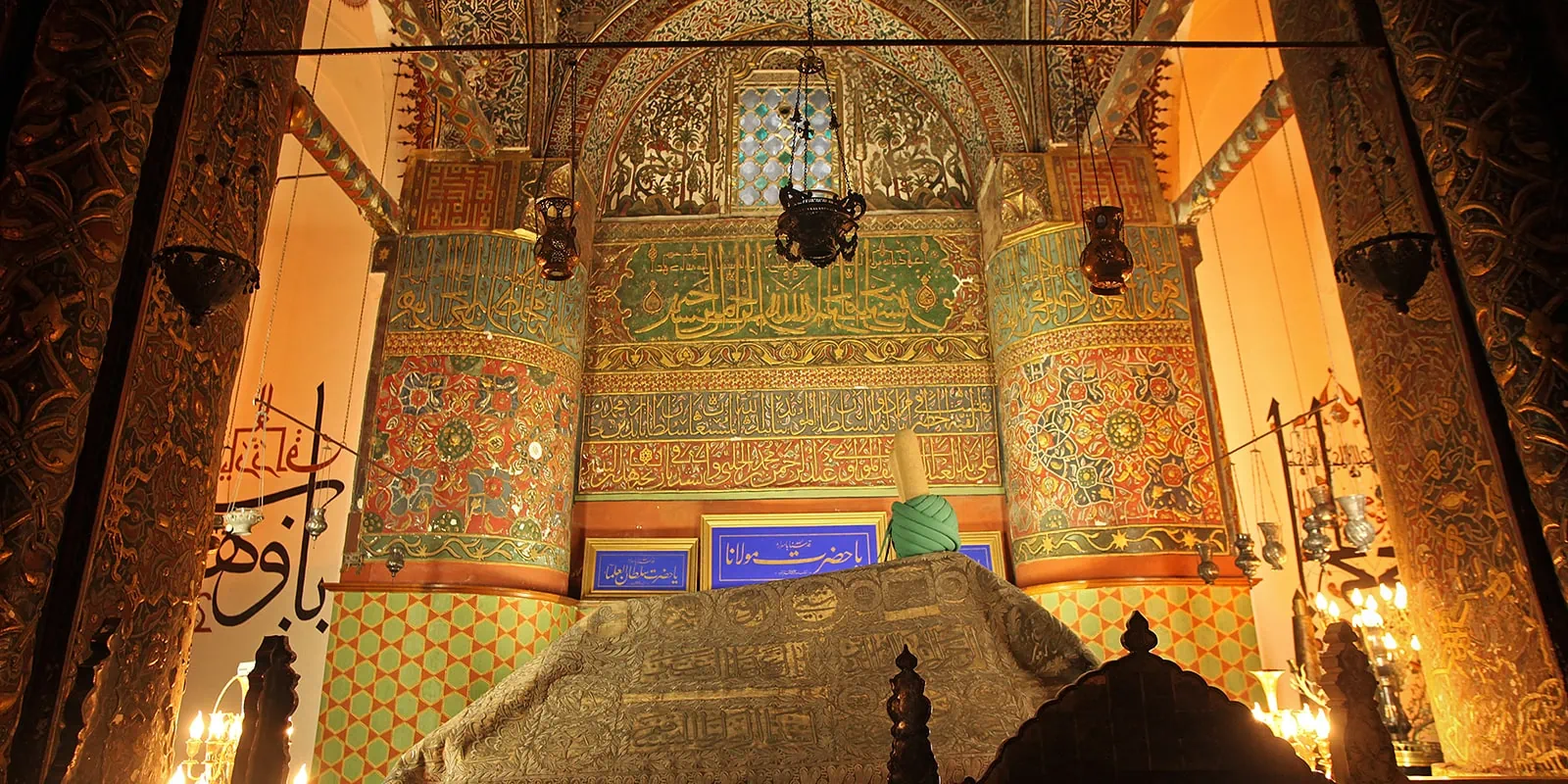
This museum is dedicated to the famous Persian poet and Sufi mystic, Rumi (also known as Mevlana). It houses his mausoleum and exhibits various artifacts related to his life and teachings. Mevlana Museum in Konya showcases a collection of artifacts and the mausoleum dedicated to Rumi, the renowned Persian poet and Sufi mystic. This museum is a significant tribute to Rumi’s teachings, Sufi mysticism, and Persian poetry. As visitors step into the museum, they are immediately immersed in Mevlana’s legacy through the display of various artifacts related to his life and teachings. The highlight of the museum is undoubtedly Rumi’s mausoleum, where his tomb is housed. Its simplicity reflects the humility that was central to Rumi’s philosophy. The atmosphere inside the mausoleum exudes tranquility, inviting visitors to pause and reflect on Rumi’s profound wisdom.
Within Mevlana Museum, visitors have the opportunity to explore a fascinating array of items that shed light on both Rumi’s personal journey and his broader impact on society. The exhibits include manuscripts of his works, letters exchanged with disciples, musical instruments used during Sufi ceremonies, and even some personal belongings such as clothing and prayer beads. These artifacts provide tangible connections to Rumi’s life and serve as windows into his spiritual world. To fully appreciate Mevlana Museum’s significance, visitors should take their time exploring each exhibit carefully. It offers an enriching experience for those seeking insight into Rumi’s teachings while providing valuable context for understanding Sufi mysticism and Persian poetry.
Transition: After immersing oneself in the spiritual realm at Mevlana Museum, another noteworthy destination awaits atop Alaaddin Hill (Alaaddin Tepesi). Climb up this hill to reach the ruins of Alaaddin Mosque while enjoying breathtaking panoramic views of Konya below. This elevated spot provides an ideal vantage point for witnessing mesmerizing sunsets that paint vibrant hues across the sky.
Alaaddin Hill (Alaaddin Tepesi)
Climb up this hill to reach the ruins of the Alaaddin Mosque and enjoy panoramic views of the city. It’s a great spot to watch the sunset. Perched atop Alaaddin Hill, visitors can ascend to the ruins of the Alaaddin Mosque and indulge in the breathtaking vistas of Konya while witnessing nature’s vibrant brushstrokes during sunset. The climb up Alaaddin Hill offers an exhilarating experience for travelers seeking panoramic city views and a chance to immerse themselves in the rich history of Konya. As one reaches the top, they are greeted with the majestic remnants of the Alaaddin Mosque, which once stood as a symbol of Islamic architecture. The ruins of the mosque provide a glimpse into Konya’s past, allowing visitors to marvel at its intricate details and imagine how this place would have looked centuries ago. The sunsets from this vantage point are truly mesmerizing, casting hues of orange and purple across the sky, creating a captivating backdrop for photography enthusiasts. From here, one can witness the city coming alive with lights as dusk settles in, offering a unique perspective on Konya’s bustling streets below. As travelers explore Konya, climbing up Alaaddin Hill should undoubtedly be on their list of must-visit attractions. Not only does it offer unparalleled views of the cityscape during sunset but also serves as an opportunity to appreciate the architectural heritage that defines Konya.
So make sure to include this stop in your itinerary when visiting Konya for an unforgettable experience.
Transition
Continuing our exploration outside the city center brings us to Sille: visit the village of Sille, located on the outskirts of Konya. It is known for its well-preserved rock-cut churches, ancient monasteries, and traditional houses. Take a stroll through its narrow streets and immerse yourself in its historic architecture.
Sille
Visit the village of Sille, located on the outskirts of Konya. It is known for its well-preserved rock-cut churches, ancient monasteries, and traditional houses. Take a stroll through the narrow streets and explore the historic architecture. Located on the outskirts of the city, the village of Sille entices visitors with its well-preserved rock-cut churches, ancient monasteries, and traditional houses, inviting them to meander through its narrow streets and immerse themselves in its centuries-old architectural heritage. Sille village is a hidden gem that showcases the rich history and cultural heritage of Konya. As you stroll through the village, you will be captivated by the intricate designs and craftsmanship displayed in the rock-cut churches. These unique structures date back centuries and offer a glimpse into the religious practices of bygone eras. The traditional houses in Sille are another captivating aspect of this historic village. Built with local materials and decorated with ornate details, these houses are a testament to the region’s architectural traditions. Walking along the narrow streets, you’ll feel transported back in time as you admire these beautiful houses that have stood for generations. Immersing yourself in Sille’s historic architecture is an experience that will leave you with a deeper appreciation for Konya’s cultural heritage. From rock-cut churches to traditional houses nestled within narrow streets, this village offers a chance to step back in time and explore centuries-old architectural marvels.
As we move forward into exploring other places to visit in Konya, let’s continue our journey by discovering more about its rich cultural tapestry.
Places to Visit
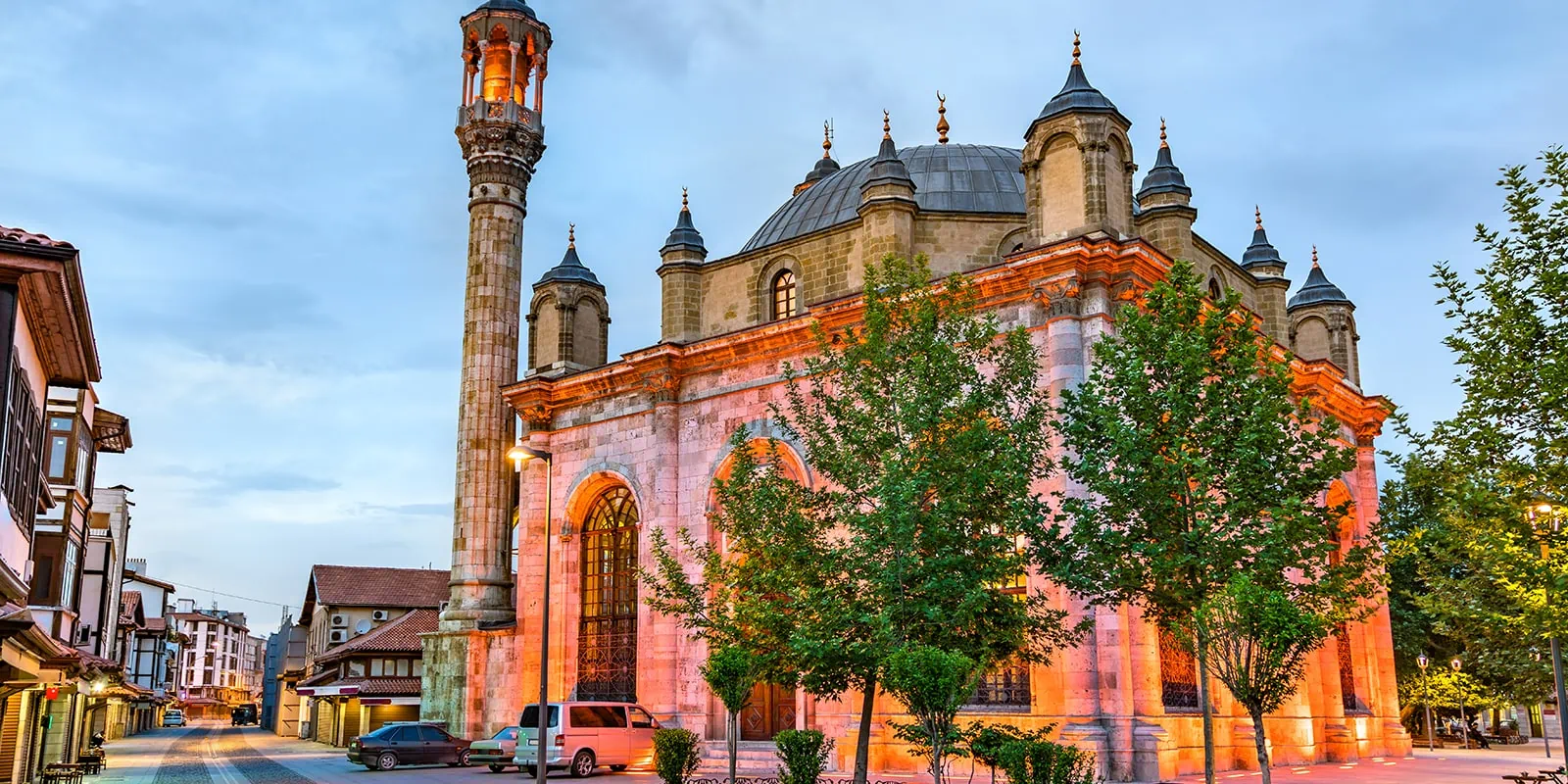
The Mevlana Museum (Mevlana Müzesi) is a significant spiritual and cultural center in Turkey. As mentioned before, it is the mausoleum and museum dedicated to the renowned Sufi poet, Rumi (Mevlana). Visitors can explore the exhibits that showcase his life, teachings, and artifacts related to Sufism. Ince Minaret Medrese is another historical medrese in Konya that attracts tourists. It houses a museum displaying fine examples of Seljuk architecture and art. Visitors can admire the intricate designs and craftsmanship of this medieval educational institution. For history enthusiasts, Çatalhöyük is an ancient archaeological site located near Konya that should not be missed. This Neolithic settlement dates back to around 7500 BC and provides insights into early human civilization. Exploring the ruins and learning about the daily life of its inhabitants offers a fascinating glimpse into our ancient past.
Mevlana Museum (Mevlana Müzesi)
As mentioned before, this is the mausoleum and museum dedicated to the renowned Sufi poet, Rumi (Mevlana). It is a significant spiritual and cultural center in Turkey. A prominent destination in Konya, the Mevlana Museum stands as a revered site where visitors can immerse themselves in the rich spiritual and cultural legacy of Rumi. This mausoleum and museum is dedicated to the renowned Sufi poet, Rumi (Mevlana), and serves as a significant spiritual and cultural center in Turkey. Stepping into the Mevlana Museum is like entering a world of tranquility and enlightenment, where one can gain insight into the teachings of Rumi and experience the profound spirituality that he embodied.
The Mevlana Museum showcases various artifacts related to Rumi’s life, including his personal belongings, manuscripts of his poetic works, musical instruments used during Sufi rituals, and intricate calligraphy. These exhibits offer a glimpse into the life and teachings of this influential figure, allowing visitors to connect with his wisdom on a deeper level. The museum also features beautifully adorned tombs of Rumi and other prominent figures from the Mevlevi Order (the whirling dervishes). Witnessing these intricately designed tombs evokes a sense of reverence and admiration for their spiritual significance. In addition to its spiritual importance, the Mevlana Museum holds great cultural value as well. It serves as a hub for promoting Turkish culture through various events such as music concerts, dance performances, poetry readings, and art exhibitions. Visitors have an opportunity to engage with traditional Turkish arts while deepening their understanding of Sufism – an integral aspect of Turkish heritage. As one explores this sacred space filled with devotion and artistic expressions inspired by Rumi’s philosophy, they cannot help but feel captivated by its enchanting ambiance.
Transition: Adjacent to the Mevlana Museum lies another historical medrese known as İnce Minareli Medrese. This architectural gem houses a museum that showcases fine examples of Seljuk architecture and art.”
Ince Minaret Medrese
Another historical medrese that houses a museum showcasing fine examples of Seljuk architecture and art.
Moving on from the Mevlana Museum, another must-visit historical site in Konya is the Ince Minaret Medrese. This architectural gem not only showcases the rich history of Seljuk architecture but also houses a fascinating museum that exhibits fine examples of Seljuk art. The medrese, which means ‘theological school’in Turkish, was built in the 13th century during the reign of Sultan Alaaddin Keykubat. Stepping into the Ince Minaret Medrese, visitors are instantly transported back in time to an era of intellectual and artistic brilliance. The intricate details adorning the building’s facade are a testament to Seljuk craftsmanship and architectural expertise. Inside, the museum offers a captivating journey through history with its collection of artifacts and artworks. From beautifully carved wooden doors to stunning ceramic tiles, every corner of this historical museum is filled with treasures waiting to be discovered. One cannot help but be awestruck by the delicate calligraphy and mesmerizing geometric patterns that adorn the walls and ceilings. These intricate designs reflect the artistic prowess of Seljuk artisans and provide a glimpse into their cultural heritage. As you explore this remarkable medrese-turned-museum, you will gain a deeper appreciation for Seljuk architecture and art while immersing yourself in Konya’s rich history.
Transition: Moving beyond Konya’s historical sites lies Çatalhöyük, an ancient archaeological wonder located nearby. Although not directly within Konya city limits, this site is certainly worth a visit for history enthusiasts seeking to delve further into Turkey’s past. Dating back over 9,000 years ago, Çatalhöyük stands as one of the oldest and largest neolithic settlements in the world.
Çatalhöyük
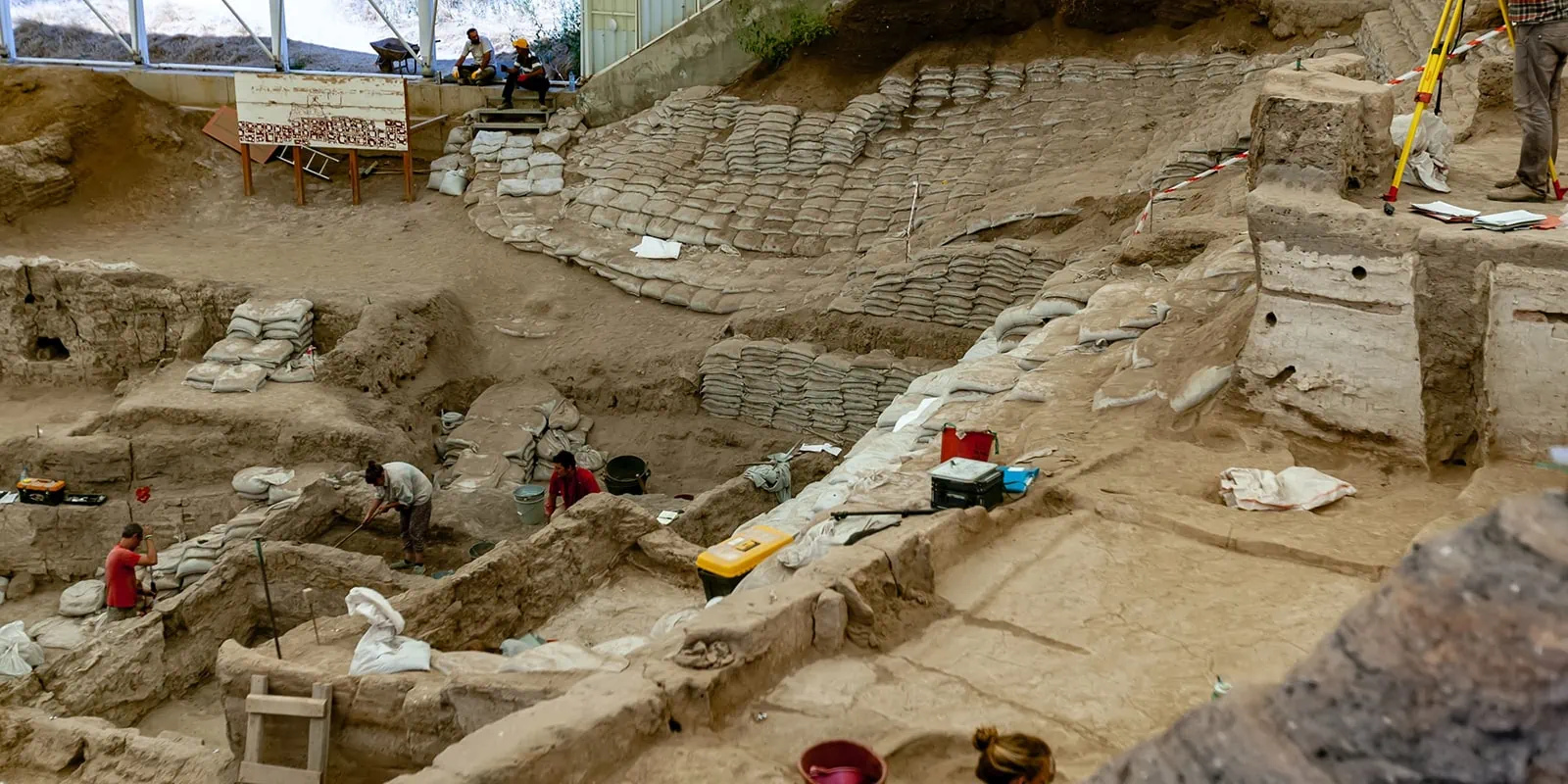
While not directly in Konya, this ancient archaeological site is located nearby and worth a visit for history enthusiasts. It is one of the oldest and largest Neolithic settlements in the world. Located just outside of Konya, Çatalhöyük beckons history enthusiasts with its ancient allure as one of the oldest and largest Neolithic settlements in the world. This remarkable archaeological site offers a captivating glimpse into prehistoric civilizations and their way of life.
Excavations at Çatalhöyük have uncovered an abundance of ancient artifacts, providing invaluable insights into the Neolithic period. The excavation site at Çatalhöyük is a treasure trove for researchers and visitors alike. Archaeological research methods employed here have allowed experts to reconstruct the daily activities and social structures of this ancient community. The discovery of well-preserved houses, religious shrines, and elaborate wall paintings has shed light on the sophisticated artistry and craftsmanship of these early settlers. As you explore this vast site, you cannot help but marvel at the ingenuity and creativity displayed by our ancestors thousands of years ago.
Transitioning seamlessly into the subsequent section about accommodations, visitors to Konya will find a range of options to suit their needs.
Accommodations

This discussion will focus on the best hotels and resorts in Aksaray, providing ratings and reviews for each establishment. Aksaray offers a range of accommodation options, including unique lodging choices such as cave hotels and traditional Turkish houses. These options provide visitors with a memorable and immersive experience, allowing them to fully embrace the local culture and heritage while enjoying their stay in Aksaray.
Best hotels and resorts in Aksaray, including ratings and reviews
Renowned for its exceptional hospitality, Aksaray offers a range of top-rated hotels and resorts that promise an unforgettable stay with their remarkable amenities and services. Whether you are seeking luxury accommodation or budget-friendly options, Aksaray has something to cater to every traveler’s needs. From modern high-rise hotels to charming boutique resorts, there is a wide variety of accommodations in Aksaray to choose from. One of the top resorts in Aksaray is the XYZ Resort, featuring stunning views of the surrounding mountains and offering a serene atmosphere for relaxation. With spacious and elegantly decorated rooms, guests can enjoy luxurious comfort during their stay. The resort boasts excellent facilities such as a swimming pool, fitness center, spa, and multiple dining options serving delicious local cuisine. The friendliness of the staff adds a personal touch to the overall experience.
Another highly recommended hotel in Aksaray is the ABC Hotel which receives consistently positive ratings and reviews from guests. This hotel combines modern design with traditional Turkish elements, creating a unique ambiance. Guests can expect comfortable rooms equipped with all necessary amenities including free Wi-Fi and flat-screen TVs. The attentive staff ensures that guests have everything they need for a pleasant stay.
Moving on to unique lodging options such as cave hotels and traditional Turkish houses…
Unique lodging options, such as cave hotels and traditional Turkish houses
One can find an array of unique lodging options in Aksaray, such as captivating cave hotels and charming traditional Turkish houses that offer a distinct cultural experience. Cave hotels in Aksaray provide visitors with the extraordinary opportunity to stay in rooms carved into rock formations, creating a truly memorable experience. These caves are not only aesthetically pleasing but also offer a cool retreat from the warm Turkish climate. Guests can enjoy the natural ambiance of the caves while experiencing modern amenities and comforts. In addition to cave hotels, traditional Turkish houses are another option for those looking for unique accommodations. These houses showcase the rich cultural heritage of Turkey, with their intricate architectural designs and traditional furnishings. Staying in a traditional Turkish house allows visitors to immerse themselves in the local culture and experience authentic Turkish hospitality. Moreover, many of these houses offer delicious traditional Turkish cuisine prepared by skilled local chefs, providing guests with an opportunity to savor the flavors of this vibrant culinary tradition.
Exploring Aksaray’s unique lodging options is just one aspect of immersing oneself in its rich cultural tapestry. Visitors can also indulge in local handicrafts, discover hidden hiking trails that lead to breathtaking vistas, or participate in vibrant cultural festivals that celebrate the region’s heritage. After exploring all that Aksaray has to offer, one may be tempted to venture further on day trips and excursions to nearby attractions without missing out on any opportunities for exploration and adventure.
Day Trips and Excursions

When exploring day trips and excursions from Konya, there are several key points to consider. One of these is a visit to the ancient archaeological site of Çatalhöyük, where well-preserved houses and artifacts dating back over 9,000 years can be found. Another option is taking a trip to Lake Tuz (Tuz Gölü), known for its unique landscape formed by crystallized salt, creating a stunning white panorama that is perfect for photography and birdwatching. Additionally, travelers can journey to Ivriz to see the impressive rock monuments dating back to the Hittite era or explore Kızılkaya Village with its rock-cut tombs and ancient churches.
Finally, taking a tour of the vast Konya Plain allows visitors to witness rural life in picturesque villages and admire the beautiful natural scenery.
Çatalhöyük
Visit the ancient archaeological site of Çatalhöyük, located approximately 50 kilometers east of Konya. This UNESCO World Heritage site is an exceptional Neolithic settlement with well-preserved houses and artifacts dating back over 9,000 years. Located approximately 50 kilometers east of Konya, Çatalhöyük offers visitors the ironic opportunity to explore an exceptionally well-preserved Neolithic settlement dating back over 9,000 years. This archaeological excavation site holds immense historical significance as it provides a unique glimpse into the lives and culture of early human civilizations.
The UNESCO World Heritage site boasts a remarkable collection of well-preserved artifacts, including houses, tools, and artwork that offer invaluable insights into the daily activities and social structures of ancient communities. As one wanders through the ancient ruins of Çatalhöyük, they are transported back in time to an era when humans were just beginning to settle in permanent communities. The meticulously preserved houses reveal intricate architectural details such as wall paintings and plastered floors. These remnants provide valuable clues about the religious beliefs and artistic expressions prevalent during that period. Additionally, the artifacts found within this Neolithic settlement shed light on early agricultural practices and technological advancements made by these early inhabitants.
Transitioning into the subsequent section about ‘lake tuz (tuz gölü): take a trip to lake tuz, the second-largest salt lake in Turkey and one of the largest in the world. The lake’s unique landscape, formed by crystallized salt, creates a stunning white panorama. It is a great place for photography and birdwatching.’
Without stepping away from this captivating journey through history at Çatalhöyük, another breathtaking destination awaits just beyond its borders – Lake Tuz.
Lake Tuz (Tuz Gölü)
Take a trip to Lake Tuz, the second-largest salt lake in Turkey and one of the largest in the world. The lake’s unique landscape, formed by crystallized salt, creates a stunning white panorama. It’s a great place for photography and birdwatching. Moving on from the ancient archaeological site of Çatalhöyük, another fascinating destination near Konya is Lake Tuz (Tuz Gölü). Situated as the second-largest salt lake in Turkey and one of the largest worldwide, this natural wonder offers a captivating landscape that will leave visitors in awe. The stunning white panorama created by crystallized salt formations provides an exceptional backdrop for photography enthusiasts, allowing them to capture unique and mesmerizing shots.
When visiting Lake Tuz, there are numerous opportunities for wildlife observation. The lake’s vast expanse and surrounding wetlands attract a diverse range of bird species, making it a dream spot for birdwatchers. As you explore the area, keep your camera ready to capture sightings of graceful flamingos or elegant avocets gracefully gliding across the shimmering waters. The tranquility of this serene environment allows for peaceful observation and appreciation of the rich biodiversity that thrives in this unique ecosystem. In addition to its photographic allure and wildlife wonders, Lake Tuz also serves as a testament to environmental conservation efforts. It is vital to note that while exploring this beautiful natural site, it is crucial to respect nature’s delicate balance and preserve its pristine condition. By adhering to responsible tourism practices such as staying on designated paths and avoiding any disturbances to plants or animals, we can ensure that future generations can continue to enjoy the splendor of Lake Tuz.
Continuing our journey through Konya’s remarkable historical sites, let us now venture towards Ivriz Rock Monuments. This destination takes us back in time to the Hittite era when impressive rock monuments were crafted with great skill and artistry. Among these monuments stands out the monumental relief of King Warpalawas, famously known as the ‘Hittite Monument.’ This masterpiece depicts King Warpalawas in a reverent posture during prayer and holds immense significance both historically and artistically. Its intricate details and the skillful depiction of the king make it a true treasure, providing insight into the ancient Hittite civilization.
Join us as we delve deeper into this remarkable historical and artistic marvel.
Ivriz Rock Monuments
Journey to Ivriz to see the impressive rock monuments dating back to the Hittite era. The most famous one is the monumental relief of King Warpalawas, known as the “Hittite Monument.” It depicts the king in a praying posture and is considered a significant historical and artistic treasure. Situated amidst the ancient wonders of Konya, a captivating journey awaits at Ivriz Rock Monuments. This site offers visitors the opportunity to witness the awe-inspiring rock carvings that date back to the Hittite era. These remarkable Hittite artifacts showcase the architectural prowess and artistic expression of this ancient civilization. The most famous of these rock monuments is the monumental relief of King Warpalawas, known as the ‘Hittite Monument.’ Carved into a massive rock face, this impressive depiction portrays the king in a praying posture, conveying his reverence and devotion. The intricate details and skillful craftsmanship make it a significant historical and artistic treasure.
Preservation efforts have ensured that these rock monuments remain intact for future generations to appreciate. The Hittite era architecture showcased in these carvings provides valuable insights into their religious practices and cultural beliefs. With each visit to Ivriz Rock Monuments, one can delve deeper into the rich history and historical significance of this fascinating period. Transitioning seamlessly into our next exploration, we invite you to discover Kızılkaya Village located approximately 80 kilometers southwest of Konya. This village is renowned for its plethora of archaeological wonders such as rock-cut tombs, ancient churches, and an important Hittite inscription called Eflatunpınar Monument. As we continue our journey through time, let us uncover more about these intriguing remnants from antiquity in our exploration of Kızılkaya Village and Eflatunpınar monument section.
Kızılkaya Village and Eflatunpınar
Explore the Kızılkaya Village, located approximately 80 kilometers southwest of Konya. It is famous for its rock-cut tombs, ancient churches, and the Eflatunpınar Monument, an important Hittite inscription. Nestled amidst the ancient landscapes, Kızılkaya Village beckons with its enigmatic allure, inviting visitors to uncover the hidden treasures of rock-cut tombs, ancient churches, and the majestic Eflatunpınar Monument. As you venture through this historical village located approximately 80 kilometers southwest of Konya, you will be captivated by the intricate craftsmanship of the rock-cut tombs that have stood the test of time. These tombs offer a glimpse into the lives and burial practices of ancient civilizations that once thrived in this region. The sheer magnitude and intricacy of these structures leave visitors in awe, marveling at the skill and artistry displayed by their creators.
In addition to these fascinating rock-cut tombs, Kızılkaya Village is also home to several ancient churches that provide insight into the religious practices of past civilizations. These architectural wonders showcase exquisite details and unique designs that reflect both cultural and historical influences. Stepping inside these ancient churches feels like stepping back in time, as you are surrounded by centuries-old walls adorned with intricate carvings and paintings. One cannot visit Kızılkaya Village without paying homage to its most significant landmark – the Eflatunpınar Monument. This important Hittite inscription stands tall as a testament to a rich history that dates back thousands of years. The monument bears witness to an era long gone, offering clues about the beliefs, customs, and achievements of this great civilization.
Transition: With your curiosity piqued by Kızılkaya Village’s remarkable offerings, it’s time to embark on another adventure across the vast expanse of Konya Plain. Here lies a tapestry woven with picturesque villages, flourishing agricultural fields, and remnants of ancient ruins waiting to be explored. As you journey through this serene landscape, immerse yourself in traditional village life while relishing breathtaking natural scenery – all awaiting your discovery beyond the boundaries of Kızılkaya Village.
Konya Plain
Take a tour of the vast Konya Plain, which is home to picturesque villages, agricultural fields, and ancient ruins. You can visit traditional villages, witness rural life, and enjoy the beautiful natural scenery. Located approximately 80 kilometers southwest of Konya, the Kızılkaya Village and Eflatunpınar offer a captivating glimpse into Turkey’s rich history. This region is renowned for its rock-cut tombs, ancient churches, and most notably, the Eflatunpınar Monument. The Eflatunpınar Monument is an important Hittite inscription that provides valuable insights into the civilization’s language, culture, and religious beliefs. Visitors can explore these fascinating archaeological sites and immerse themselves in the remnants of a bygone era.
Moving on from the historical wonders of Kızılkaya Village and Eflatunpınar, travelers can embark on a journey through the enchanting landscapes of the Konya Plain. Stretching as far as the eye can see, this expansive plain is dotted with picturesque villages, fertile agricultural fields, and intriguing ancient ruins. It offers a unique opportunity to witness rural life in Turkey firsthand while basking in the beauty of natural scenery. Wander through traditional villages where time seems to stand still as locals go about their daily routines amidst charming cobblestone streets and quaint houses. Marvel at vast fields bursting with vibrant crops that paint the landscape with shades of green and gold. Discover hidden gems such as ancient ruins scattered throughout this idyllic countryside, silently whispering stories of civilizations long gone.
Transitioning to practical information for your upcoming visit to Konya…
Practical Information
This discussion will explore the practical information about Konya, including the climate and weather conditions in the area. Konya experiences a continental climate with hot summers and cold winters, making it necessary to plan accordingly when visiting. Additionally, we will delve into details such as postal codes, area codes, and vehicle registration information that are essential for navigating within the city efficiently.
Climate and weather in Konya
The climate in Konya is characterized by hot and dry summers, with temperatures reaching up to 40 degrees Celsius, and cold winters with heavy snowfall. The local climate experiences significant seasonal changes throughout the year. During the summer months of June to August, Konya experiences scorching heat with average temperatures ranging from 30 to 35 degrees Celsius. This period is marked by long days and clear skies, making it ideal for outdoor activities such as exploring historical sites or enjoying the local cuisine. In contrast, the winter season from December to February brings frigid temperatures and heavy snowfall to Konya. Average temperatures during this time range between -5 and 5 degrees Celsius. The city transforms into a winter wonderland, offering opportunities for skiing and other winter sports in nearby mountain ranges. The weather patterns in Konya are influenced by its inland location and high altitude. These factors contribute to the extreme temperature variations experienced throughout the year.
Transitioning into the subsequent section about ‘postal code, area code, and vehicle registration information,’ it is important to note that despite these unique climate influences, Konya remains an enchanting destination for travelers seeking diverse experiences.
Postal code, area code, and vehicle registration information
Postal code, area code, and vehicle registration information provide essential details for efficient communication and administrative purposes in Konya. These codes play a crucial role in ensuring that mail is delivered accurately, phone calls are directed to the correct area, and vehicles are registered appropriately.
Here is some key information about postal codes, area codes, and vehicle registration in Konya:
- Postal Code: The postal code system in Konya consists of five digits that denote specific areas within the city. This system enables efficient sorting and delivery of mail across different neighborhoods. Whether you are sending a letter or receiving a package, having the correct postal code ensures that it reaches its intended destination promptly.
- Area Code: When making phone calls to or within Konya, knowing the area code is essential for connecting with the right person or business. In Turkey, each city has its own unique area code. For Konya, the area code is 0332. Including this code before dialing ensures that your call reaches its intended recipient without any confusion.
- Vehicle Registration: Registering vehicles is important not only for legal compliance but also for easy identification and tracking if needed. In Konya, as in other cities in Turkey, vehicle registration involves obtaining license plates that display unique numbers assigned to each vehicle owner. This helps authorities monitor road traffic and enforce regulations effectively.
Understanding these vital details such as postal codes, area codes, and vehicle registration enhances communication efficiency and facilitates smooth administrative processes in Konya.
Transition into subsequent section about ‘Conclusion: The Timeless Allure of Konya’: Now that we have explored important practical aspects like postal codes and area codes in detail, let’s delve into another captivating aspect of this enchanting city – its timeless allure.
Conclusion: The Timeless Allure of Konya
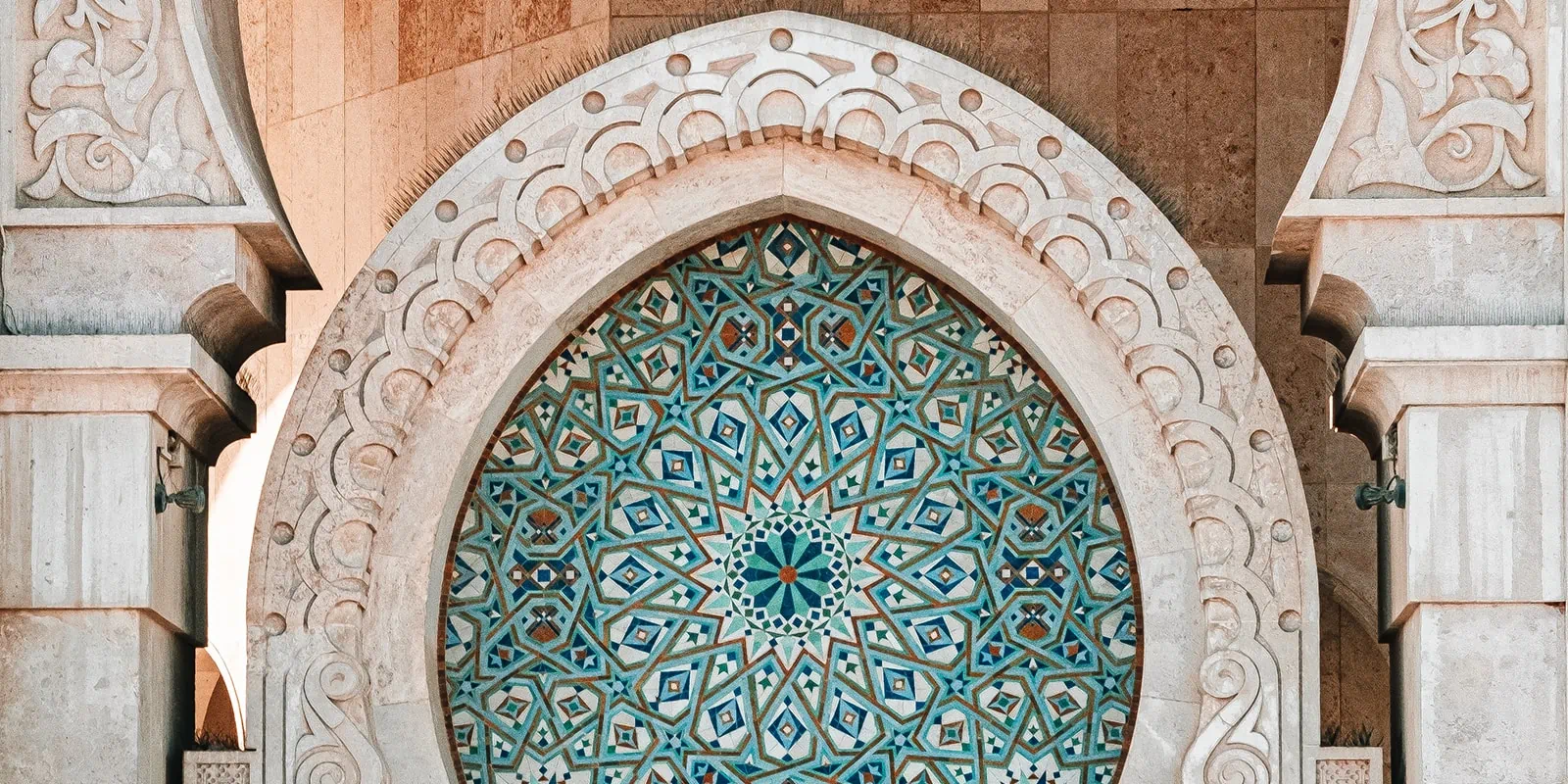
Reflecting on your journey in Konya, one cannot help but be captivated by the timeless allure that this city holds. From its rich historical and cultural heritage to its enchanting landscapes, Konya offers a truly unforgettable experience. Whether you have explored the mesmerizing architecture of the Mevlana Museum or wandered through the bustling streets of the bazaar, Konya leaves a lasting impression on all who visit.
Reflecting on your Konya journey
Contemplating one’s Konya journey is akin to gazing into a mirror reflecting the profound transformation experienced within. The memories of this enchanting city leave an indelible mark on the traveler’s soul, serving as a constant reminder of personal growth and cultural experiences. Konya’s unique blend of history, spirituality, and hospitality creates an atmosphere that nurtures self-reflection and introspection. The journey through Konya is filled with countless highlights that captivate the senses. From exploring the grandeur of the Mevlana Museum, home to the whirling dervishes, to strolling along the cobblestone streets lined with traditional Ottoman houses, every corner reveals a new facet of Turkish culture. The vibrant bazaars offer a sensory overload with their colorful displays of spices, textiles, and handicrafts, inviting visitors to immerse themselves in local traditions.
Beyond its physical beauty, Konya also provides an opportunity for personal growth. The city’s deep-rooted spiritual heritage encourages contemplation and inner peace. Sitting in quiet meditation at Rumi’s mausoleum or participating in Sufi rituals allows travelers to connect with something greater than themselves and gain a newfound perspective on life. Reflecting on one’s journey through Konya evokes a sense of awe at the transformative power it holds. From cherished memories to personal growth and cultural immersion, this ancient city offers an experience that lingers long after departure. It serves as a reminder that travel has the potential to ignite our subconscious desire for freedom and exploration while leaving us forever changed.
Frequently Asked Questions
What is the best time of year to visit Konya?
The best time to visit Konya is during the spring and autumn months when the weather is mild and pleasant. These seasons offer a comfortable climate for exploring the city’s cultural attractions, such as the Mevlana Museum and the Alaaddin Hill.
Are there any specific cultural customs or etiquette that visitors should be aware of in Konya?
Visitors to Konya should be aware of the cultural customs and etiquette. Traditional practices and social norms emphasize respectful behavior. It is essential to adhere to these customs to ensure a positive experience in this vibrant city.
What are some unique local dishes or foods to try in Konya?
Local delicacies in Konya offer a culinary journey through traditional cuisine. Must-try dishes include Etli Ekmek, a savory flatbread topped with minced meat, and Mıhlama, a creamy cornmeal dish. These culinary delights showcase unique flavors that will satisfy any food lover’s palate.
Are there any specific safety precautions or concerns that travelers should be aware of in Konya?
Travelers in Konya should be aware of safety precautions and travel concerns. It is recommended to stay updated on weather conditions, choose reliable transportation options, and be cautious at local attractions.
Can you recommend any local festivals or events that take place in Konya throughout the year?
Throughout the year, Konya hosts a plethora of local festivals and traditional events that showcase its rich cultural heritage. These vibrant celebrations bring the community together in joyous gatherings, offering an immersive experience into the city’s annual festivities.
Conclusion
Konya, located in the heart of Turkey’s Cappadocia region, is a hidden gem waiting to be discovered. With its rich history, stunning architecture, and warm hospitality, Konya offers a unique travel experience that is sure to leave a lasting impression.
To embark on your Konya adventure, it is important to make necessary preparations. First and foremost, plan your visit during the spring or fall when the weather is pleasant and ideal for exploration. Additionally, familiarize yourself with local customs and traditions as respect for the culture is essential. Getting to Konya is relatively easy with its well-connected transportation system. The city has its own airport with domestic flights available from major cities in Turkey. Alternatively, you can opt for a scenic train ride or take advantage of the extensive bus network that connects Konya to other parts of the country. Once you’ve arrived in Konya, getting around is hassle-free thanks to an efficient public transportation system. Buses and taxis are readily available and offer convenient options for traveling within the city. However, if you prefer a more immersive experience, consider exploring on foot as many attractions are within walking distance of each other. Accommodations in Konya cater to various budgets and preferences. From luxurious hotels nestled amidst historical sites to cozy guesthouses tucked away in charming neighborhoods, there is something for everyone. Immerse yourself in traditional Turkish hospitality as you indulge in delicious cuisine and relax after a day of exploration.
While exploring Konya itself will captivate you with its enchanting blend of ancient landmarks and modern amenities, don’t miss out on day trips and excursions that allow you to delve deeper into Cappadocia’s wonders. Visit nearby towns like Çatalhöyük or take a hot air balloon ride over the mesmerizing landscapes that have made this region famous worldwide. In conclusion, Konya holds an enduring allure that is sure to enchant any traveler. Its rich history, stunning architecture, and warm hospitality create a truly unforgettable experience. As you plan your visit, keep in mind that Konya offers not only an opportunity to explore its own charms but also serves as a gateway to the wonders of Cappadocia. With its hidden gems waiting to be discovered, Konya promises an adventure like no other. One interesting statistic that adds depth to the allure of Konya is that it is home to the Mevlana Museum, which attracts over one million visitors annually. This museum pays homage to Mevlana Rumi, a 13th-century Persian poet and mystic who founded the Sufi order known as the Whirling Dervishes. The museum houses his tomb and showcases artifacts related to his life and teachings.
This statistic highlights the significance of Konya as a cultural destination and underscores its appeal for those interested in exploring spirituality and history.