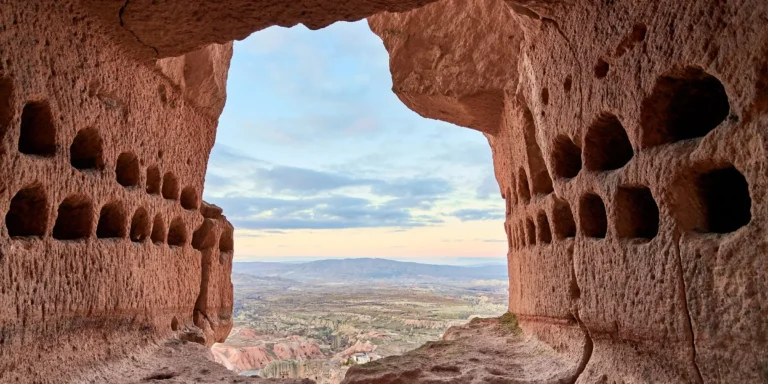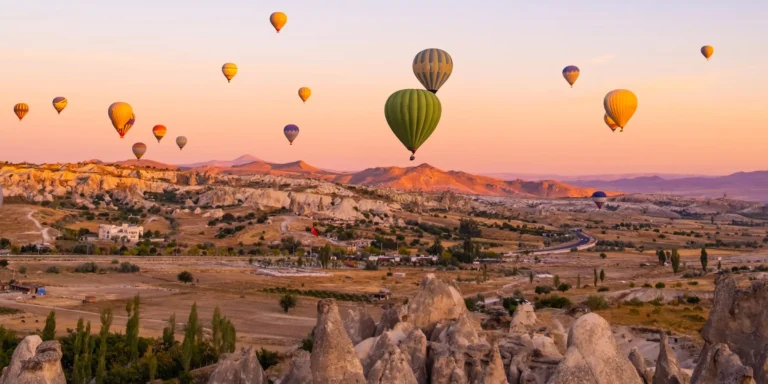
Turkish bath , Finnish bath , also called sauna , called banya in Russian; Russian bath resembling a steam bath , Roman bath which is a center for bathing and socialization, Japanese hot springs called onsen … In short, bathing is a madness that surrounds the whole world and all time. Although they all look alike, the origins of the baths, which are basically based on the same logic, date back to Ancient Rome.
Socializing while bathing
In ancient Rome, baths were not just places for bathing, they were an important part of daily life . These baths, which are open to all public and located in most Roman cities, are used for bathing and socializing. functioned as the centre . You would go every day, spend a few hours here and even do sports before washing. In Rome, where even the use of the toilet has been transformed into a social tool, it should not be surprising that washing is also used in this way. Although Ancient Rome had a great contribution, the bath culture developed with the Ottoman Empire. Thousands of baths, called Turkish baths , were built during the Ottoman period , their architecture was given great importance, and some of them set an example as architectural monuments . Today, 59 Turkish baths, 45 of which are in Istanbul, were built by Mimar Sinan.
The meaning of the word is “the building with hot and cold water heated in a special way, used for washing purposes” . Apart from socialization and cleaning, it is also of great importance with what it offers in terms of health. It is a traditional physical and spiritual purification activity. Relief of stress, relieving muscle tension and pain, increasing blood circulation, refreshing and rejuvenating the skin are some of its countless benefits. In Cappadocia , where the bath culture is given great importance , you can complete your holiday with a physical and spiritual relaxation by experiencing a classical culture in the center of Anatolia.
What to do in the baths?
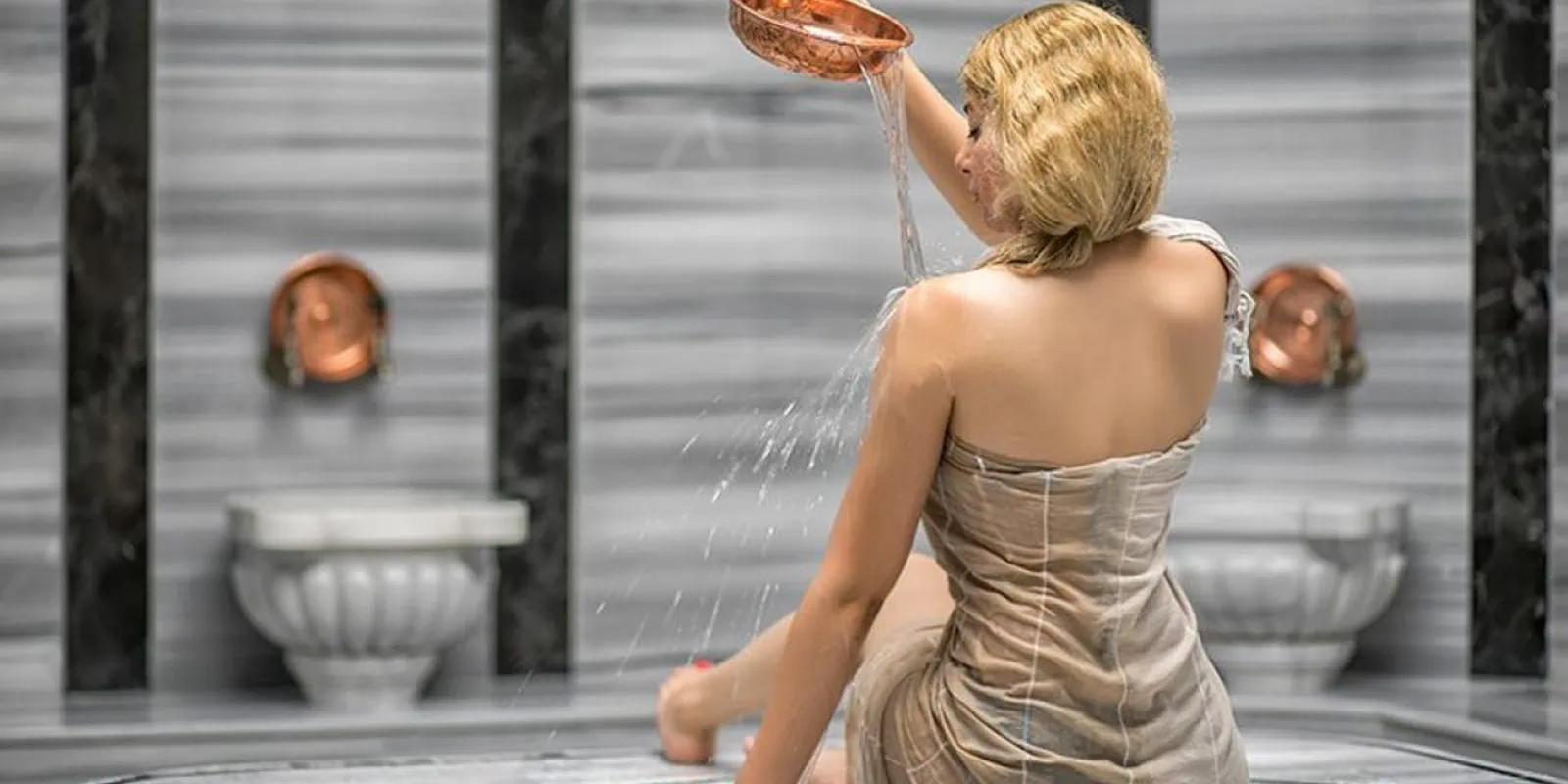
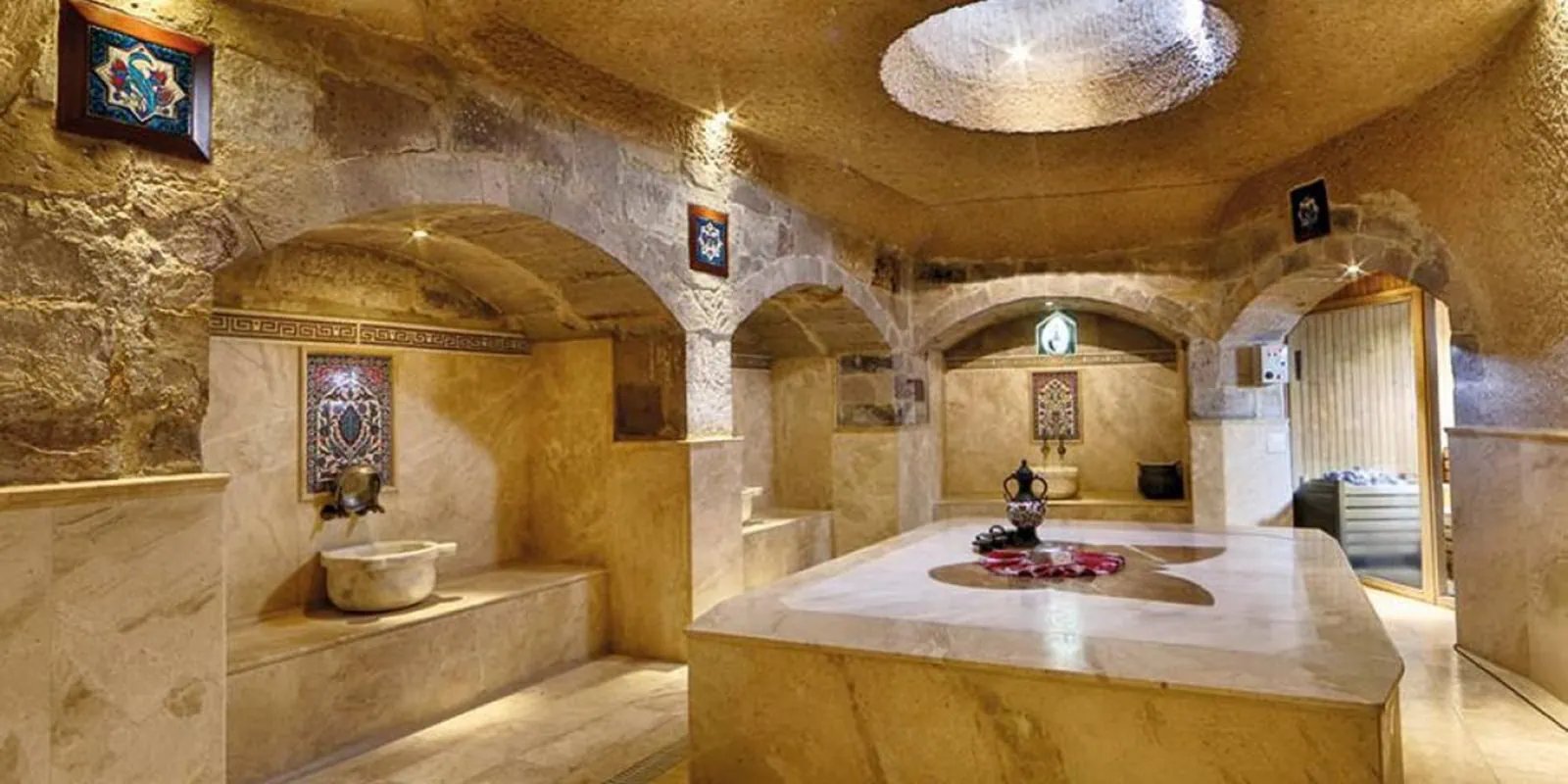
the Turkish baths, which are divided into three parts, firstly, the dressing (glass) part, which is used for undressing, is passed. Loincloth , swimsuit or bikini can be worn upon request . After this part, in the second part, called the temperature , there is a wide and high marble called the navel in the middle. First, he lies on the belly button, sweats and relaxes. Then, it is passed to the washing part called kurna . Finally, the process is completed in the rest room called the cold room.
Optionally, you can have an Ottoman massage (foam massage), a traditional Turkish bath, on the navel stone . Alternatives such as aroma therapy, foot massage, Balinese massage, Swedish massage, local massage, medical anti-stress massage, Shiatsu, Thai massage also serve you in this culture.
Turkish Bath in Cappadocia
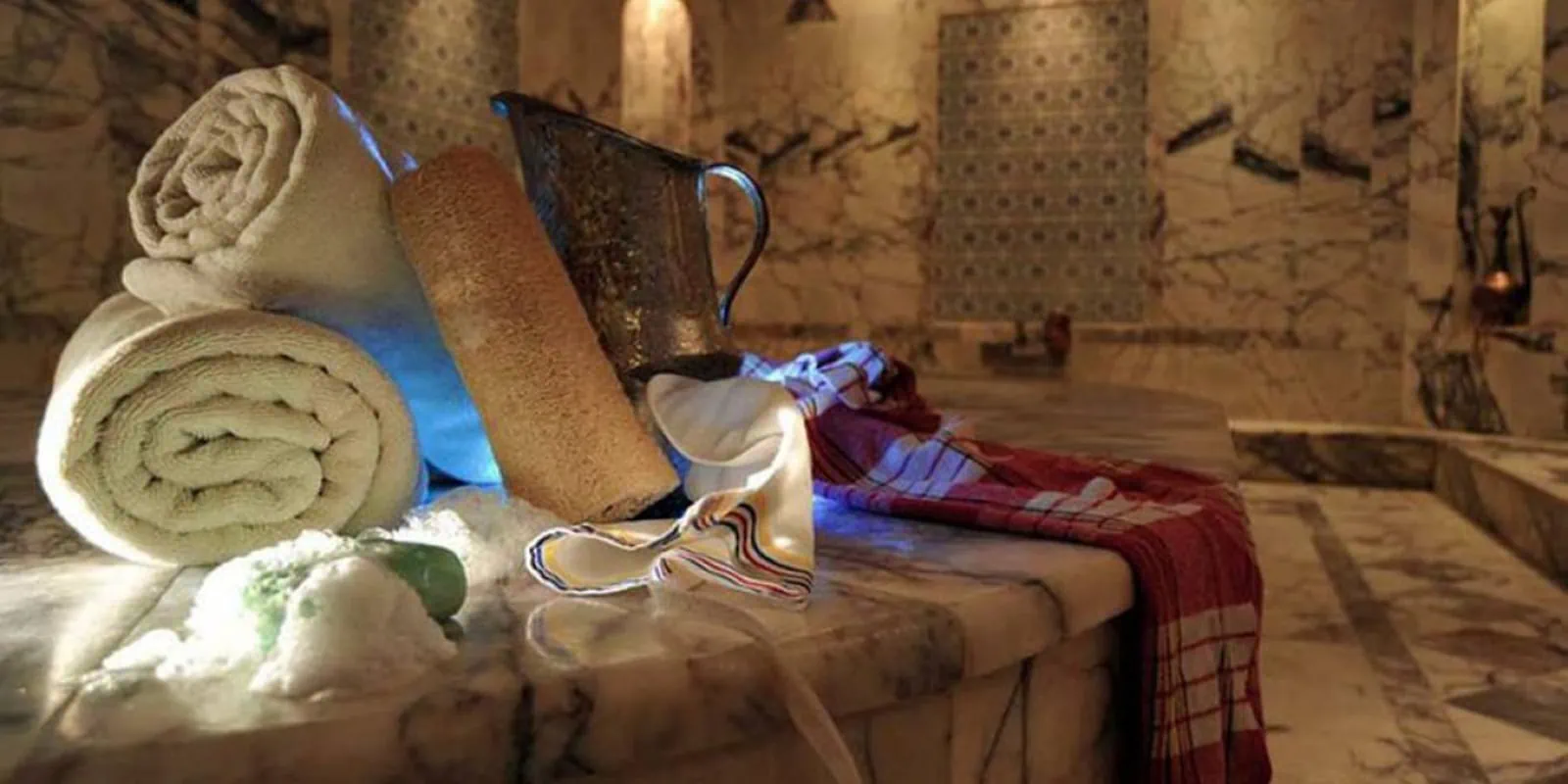
There is no one who does not hear the name of beautiful and special hotels in the Cappadocia region . Cave hotels carved into the rock , hotels converted from mansions adorned with stone arches and wooden ceilings ; they do their best to make their guests comfortable, relax and offer a wonderful holiday. Benefiting from the beauties of Cappadocia, it offers its guests facilities such as a hammam , SPA , indoor pool inside the cave . This mystical texture is combined with the comfort of boutique hotels . Of course, there are all kinds of massages as well. Although you cannot find this service in all hotels , there are hotels that accept guests other than their own guests to the Hammam and SPA sections. You can take a break from your Cappadocia tour and enjoy a pleasant bath , decorate your Cappadocia holiday with the peace you will find in the unique atmosphere of Cappadocia baths .