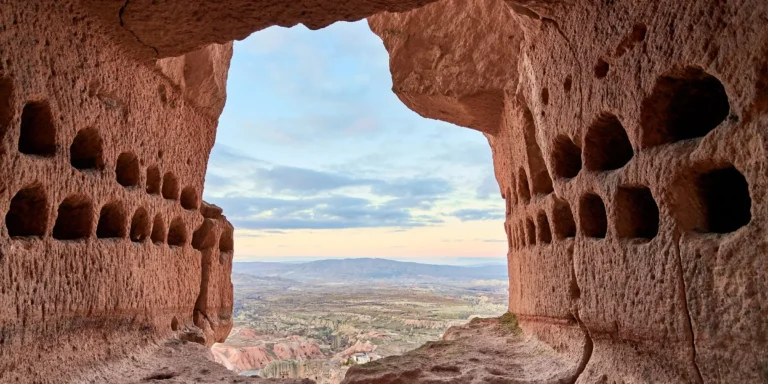
Aşıklı Höyük is a crucial archaeological site located in central Turkey that dates back to the Neolithic period, approximately 10,000 years ago. This site provides an exceptional insight into the lives and culture of prehistoric humans, allowing us to comprehend how they lived and adapted to their environment. As one of the earliest known settlements in Anatolia, Aşıklı Höyük offers a window into the development of human society. This article aims to explore Aşıklı Höyük as a cultural and historical site through an analysis of its structures, artifacts, rituals, beliefs, art, symbolism, environment and adaptation. Our understanding of this settlement has evolved considerably over time due to ongoing excavations and research that have uncovered new information about its inhabitants.
By examining this unique site from various angles, we can gain deeper insights into the daily lives and practices of Neolithic people who inhabited Aşıklı Höyük.
Key Takeaways
- Aşıklı Höyük is an archaeological site in central Turkey that dates back to the Neolithic period and offers valuable insights into the development of early agricultural practices and social structures during this time.
- The Neolithic people who lived at Aşıklı Höyük were skilled farmers who developed innovative agricultural methods, utilized advanced technology such as pottery and animal domestication, and practiced shamanic rituals and ancestor worship.
- Artistic expressions found at Aşıklı Höyük offer valuable insights into daily life, material culture, spiritual beliefs, and social hierarchies within the community, reflecting complex belief systems and cultural narratives.
- Environmental factors such as diverse flora and fauna, semi-arid climate conditions, and soil composition influenced food production practices for early settlers in the region, and understanding how they adapted to their surroundings can provide crucial information about their subsistence patterns and socio-economic organization within society.
Exploring the History and Significance of Aşıklı Höyük
Aşıklı Höyük is an archaeological site located in central Turkey that dates back to the Neolithic period, approximately 8,000-7,000 BCE. It has gained immense significance as a window into Neolithic life and culture through its excavation and discovery of ancient artifacts and remains. The Neolithic period marked a significant turning point in human history with the emergence of agriculture, domestication of animals, and the development of settlements; Aşıklı Höyük serves as one of the most important sites for understanding this pivotal era.
Through continued exploration and examination of this site, we can continue to unlock valuable insights into early human existence and progress.
Introduction to Aşıklı Höyük and its archaeological importance
Archaeological research has revealed that Aşıklı Höyük is a site of great significance for understanding Neolithic life and culture. Excavation techniques have uncovered numerous artifacts, including pottery, flint tools, and animal bones, which provide insights into the daily lives of the people who lived there around 8,000 years ago. Preservation efforts by archaeologists have ensured that the site remains intact and accessible to researchers today. Dating methods have shown that Aşıklı Höyük was occupied during a time when trade networks were expanding across the Near East. Cultural anthropology insights gathered from studying the material culture found at this site suggest that people were living in settled communities with complex social structures and belief systems.
This information provides a valuable overview of the Neolithic period and its significance in human history.
Overview of the Neolithic period and its significance in human history
The Neolithic period, characterized by the development of agriculture and the domestication of animals, marked a significant shift in human history that allowed for the growth of settled communities and complex social structures. This era saw remarkable innovations in various aspects of life, including advances in agricultural practices, societal organization, technological advancements and cultural exchange. These developments laid the foundation for modern civilization as we know it today. During this period, humans transitioned from their nomadic hunter-gatherer lifestyle to a more sedentary one based on agriculture. This led to an increase in population density and allowed for the emergence of permanent settlements. As a result, social structures became more complex with specialized roles such as farmers, artisans and rulers emerging within communities. The exchange of ideas between different groups also increased leading to cultural diversity and technological advancements such as pottery making and metalworking. It is these developments that provide insight into our ancestors’ way of life during this epoch and how they shaped human civilization.
This brings us to the discovery and excavation of Aşıklı Höyük which provides valuable insights into Neolithic life through its artifacts and remains.
The discovery and excavation of Aşıklı Höyük
Excavations of Aşıklı Höyük have revealed valuable insights into the development of early agricultural practices and social structures during the Neolithic period. The site was discovered in central Turkey in the 1960s and has since been excavated by several teams of archaeologists using a variety of discovery methods and excavation techniques. Cultural artifacts found at the site include pottery, stone tools, animal bones, and human remains, all of which provide evidence for how people lived and interacted with their environment. Preservation efforts have been essential to ensure that Aşıklı Höyük remains intact for future generations to study. Community involvement has also played an important role in safeguarding the site from looting or damage caused by land use changes. By understanding how ancient societies adapted to changing ecological conditions and developed complex social systems, we can gain a better understanding of our own history and cultural evolution. Unveiling the secrets of neolithic life and culture through this remarkable site sheds light on one of humanity’s most significant periods of innovation and change.
Unveiling the secrets of Neolithic life and culture through the site
Uncovering the mysteries of ancient times through the artifacts and remains found at Aşıklı Höyük is like peeling back layers of a complex history book. The site has revealed a wealth of information about Neolithic life and culture, including their art, cultural practices, agricultural techniques, technology innovations, and spiritual beliefs.
Firstly, Neolithic art uncovered at Aşıklı Höyük provides insights into their daily lives. Examples include figurines, pottery vessels decorated with animal motifs and abstract designs.
Secondly, researchers have gained an understanding of how they lived their daily lives through the study of cultural practices such as burial rituals and food production methods.
Lastly, discoveries relating to agricultural techniques and technological innovations provide evidence that these early communities were adept farmers who developed sophisticated farming strategies such as crop rotation. Their use of stone tools for farming is also evident from the plethora of lithic material recovered from the site. These finds showcase how innovative these early humans were in developing new technologies to improve their lives.
The next section will delve deeper into unearthing the structures and artifacts at Aşıklı Höyük that reveal more about Neolithic life and culture without repeating what has been covered so far.
Unearthing the Structures and Artifacts of Aşıklı Höyük
This section delves into the architecture and layout of Aşıklı Höyük, examining the houses, buildings, and streets that make up this ancient settlement. The exploration of fascinating artifacts found at the site offers a glimpse into the craftsmanship and artistry of its Neolithic inhabitants. As we unearth these artifacts, we gain insights into daily life activities and cultural practices of the people who once lived in this region.
Architecture and layout of the settlement: houses, buildings, and streets
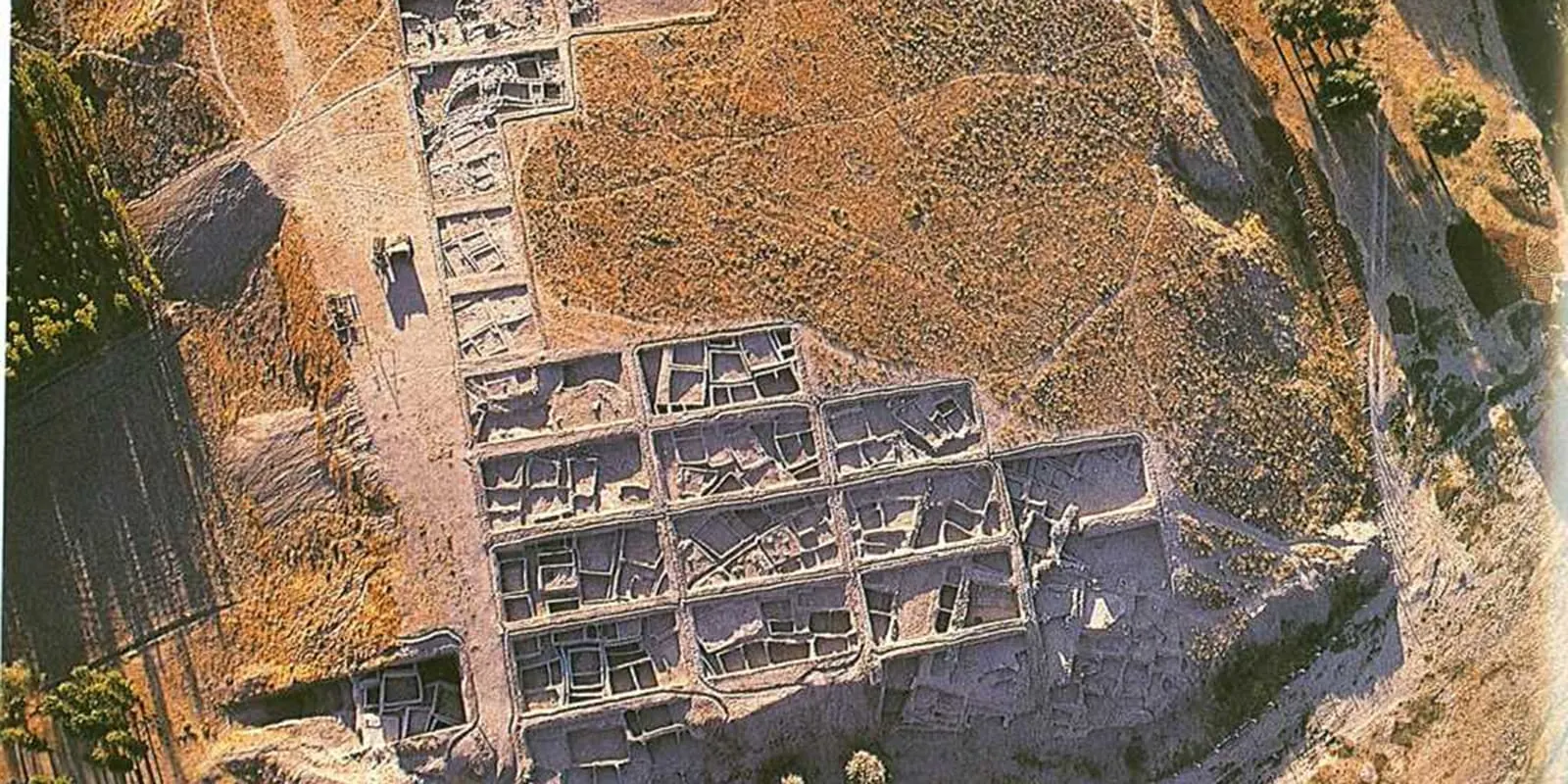
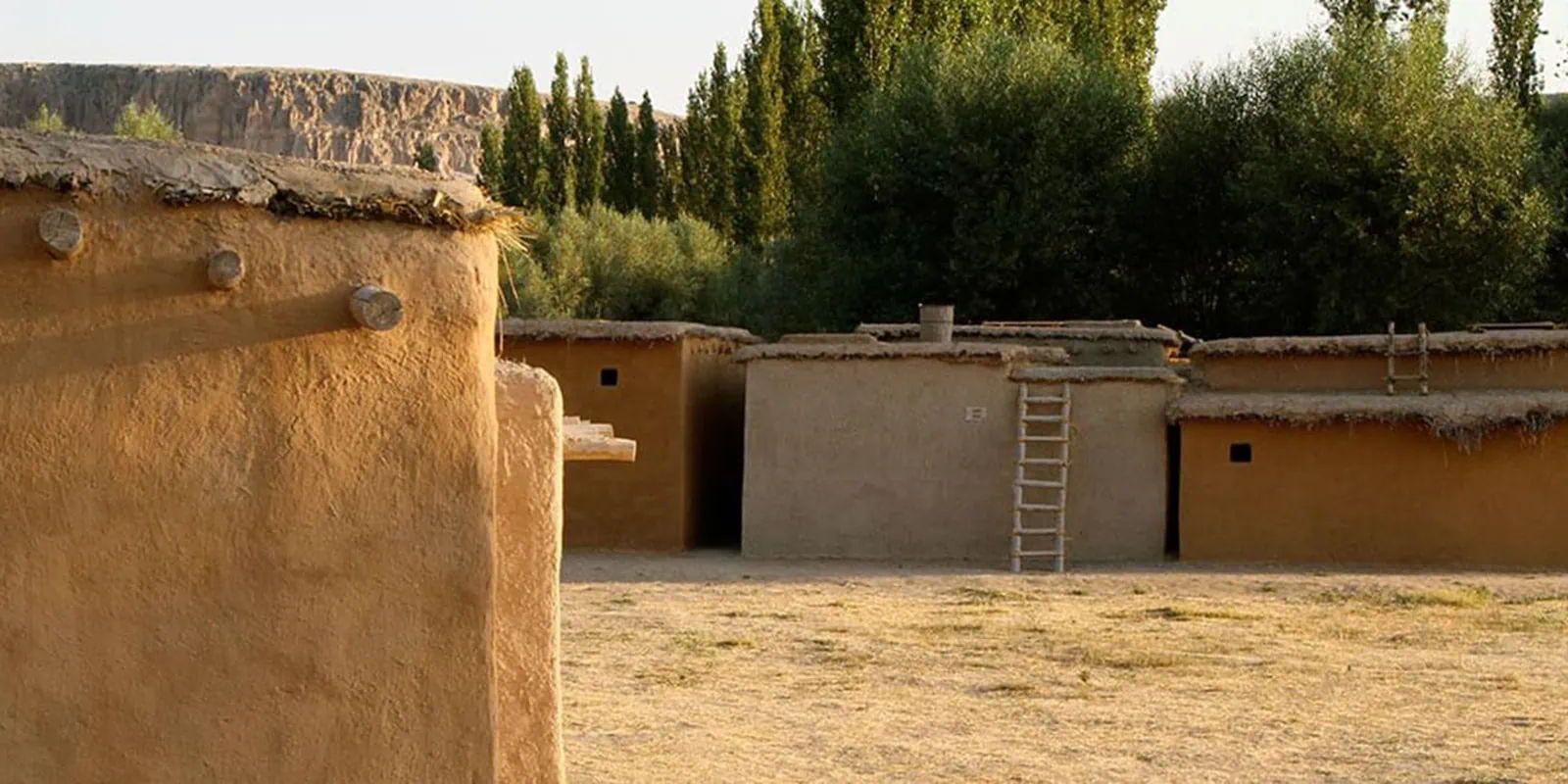
The Neolithic settlement of Aşıklı Höyük provides valuable insights into the architecture and layout of prehistoric communities. Archaeological excavation techniques have uncovered a variety of building materials, communal spaces, and architectural styles that suggest careful urban planning. The houses at Aşıklı Höyük were constructed from mud bricks, with some featuring plastered walls or wooden beams. Communal spaces included areas for food preparation and storage, as well as public gathering places. Urban planning was also evident in the layout of streets and alleyways, which were designed to maximize space efficiency while allowing for ease of movement. The buildings themselves were often arranged around central courtyards, suggesting a strong sense of community and shared living spaces.
Overall, the architecture at Aşıklı Höyük provides important clues about how early humans organized their settlements and interacted with one another. As we explore the fascinating artifacts found at Aşıklı Höyük, it becomes clear just how interconnected all aspects of life were in this ancient community. From pottery to tools to jewelry, each item tells a story about the daily lives of these prehistoric people.
Exploration of the fascinating artifacts found at Aşıklı Höyük
By examining the diverse range of artifacts discovered at Aşıklı Höyük, we gain insight into various aspects of daily life and societal practices in early human communities. These artifacts include pottery, stone tools, figurines, bone needles, and even fragments of obsidian mirrors. Detailed analysis of these objects reveals the artistic motifs and crafting techniques used by neolithic inhabitants. For example, some pottery pieces feature intricate geometric patterns while others depict animals or humans engaged in everyday activities like hunting or cooking. Religious practices and burial customs can also be inferred from the artifacts found at Aşıklı Höyük. Burial sites have been uncovered with grave goods such as necklaces made from shells or animal teeth, indicating a belief in an afterlife where personal possessions could be used.
Additionally, small figurines possibly representing deities have been found alongside other ritual objects such as altars and incense burners. Agricultural methods can also be gleaned from the discovery of sickles and grindstones used for harvesting and processing grains. Understanding the craftsmanship and artistry of the neolithic inhabitants is crucial to fully comprehending their way of life beyond just basic survival needs.
Understanding the craftsmanship and artistry of the Neolithic inhabitants
To gain a fuller understanding of the neolithic way of life, it is essential to analyze and appreciate the skillful craftsmanship and artistic techniques employed by its inhabitants in creating various artifacts. The people of Aşıklı Höyük utilized a range of materials such as stone, bone, clay, and wood to fashion tools, weapons, pottery vessels, figurines, and jewelry. They also applied different techniques such as carving, engraving, polishing, painting or incising to decorate their creations with intricate designs that reflected their cultural traditions and beliefs.
The artistic expressions found at Aşıklı Höyük not only reveal the aesthetic sensibility of its inhabitants but also provide insights into their material resources and technological innovations. For instance, the discovery of obsidian tools suggests trade relations with distant regions that supplied this valuable volcanic glass. Similarly, the use of red ochre for coloring pottery or body paint indicates a preference for bright hues that were obtained from local sources. By examining these artifacts in detail and comparing them with other neolithic sites in the region or beyond, archaeologists can reconstruct a more nuanced picture of how people lived and interacted during this period.
This analysis paves the way for insights into daily life activities and cultural practices through archaeological finds without abruptly transitioning into a new section.
Insights into daily life activities and cultural practices through archaeological finds
Insights gained from archaeological finds of neolithic artifacts provide a glimpse into the daily activities and cultural practices of ancient societies, with evidence suggesting that early humans in the region engaged in hunting, farming, and ritualistic practices such as burial ceremonies. Farming techniques were crucial for these communities to sustain their livelihoods, as they relied heavily on crop cultivation. The agricultural surplus supported a social hierarchy within the community, allowing powerful individuals to emerge who controlled trade networks and religious symbolism. Gender roles also played a significant role in neolithic society. Female figurines have been found throughout Anatolia, indicating that women may have had symbolic importance in religious or social contexts. However, it is unclear whether women held positions of power or authority within their communities. These archaeological finds offer valuable insights into the complexities of neolithic life and culture at Aşıklı Höyük.
As we delve further into understanding daily life at Aşıklı Höyük through food, tools, and technology, we can gain even more insight into the ways in which this ancient society functioned and evolved over time.
Daily Life at Aşıklı Höyük: Food, Tools, and Technology
This Subtopic focuses on the daily life of Neolithic settlers at Aşıklı Höyük, with a particular emphasis on their food, tools, and technology. Agriculture was an important aspect of their lives, and they cultivated crops such as wheat, barley, and lentils. The settlers also used various tools and implements for activities like hunting, fishing, weaving, and pottery-making. By examining the technology and innovations of the time period, we can gain insights into the diet, cooking methods, and food culture of these early human societies.
Neolithic agriculture and the cultivation of crops at Aşıklı Höyük
Neolithic agriculture was a vital component of life at Aşıklı Höyük, where evidence suggests the cultivation of wheat and barley. The neolithic settlers utilized crop cultivation techniques that involved soil management practices such as plowing and tilling to prepare the land for planting. They also used irrigation systems to provide water for their crops, which allowed them to farm in arid environments. Harvesting methods were another important aspect of their agricultural practices. The use of sickles made from flint or obsidian allowed them to cut the grains efficiently, while threshing floors made from clay or stone facilitated the separation of grain from chaff.
Crop storage techniques were also developed by these early farmers, indicating their understanding of the importance of food preservation. Storage pits were dug into the ground, and grains were stored in baskets made from reeds or other plant materials. These practices ensured a stable supply of food throughout the year for both humans and livestock. The success of neolithic agriculture at Aşıklı Höyük was crucial for its growth and development as a settlement. Transitioning into the subsequent section about ‘tools and implements used by the neolithic settlers for various activities,’ it is clear that their agricultural practices relied heavily on hand-held tools such as sickles and hoes. However, they also utilized more advanced tools like plows pulled by oxen or other animals to make farming more efficient. These tools acted as precursors to modern-day farming equipment and represented a significant advancement in human technology during this time period.
Tools and implements used by the Neolithic settlers for various activities
The tools and implements utilized by the Neolithic settlers were crucial for their everyday activities, representing a significant technological advancement during this period. These tools were made from stone, bone, and wood and were designed to perform various tasks such as farming, hunting, crafting, and domestication of animals.
Here are some examples of specific tools that have been found at Aşıklı Höyük:
- Stone Tools: The most common type of tool found at Aşıklı Höyük was made from flint or obsidian. These tools included scrapers used for preparing animal hides, chisels for carving wood or bone, and arrowheads for hunting.
- Farming Implements: The Neolithic settlers at Aşıklı Höyük cultivated crops using wooden plows pulled by domesticated animals such as oxen or donkeys. Other farming implements included sickles for harvesting grain and mortars for grinding flour.
- Hunting Equipment: In addition to stone-tipped arrows mentioned earlier, the Neolithic people also used spears with sharpened points attached to wooden shafts. They also fashioned traps made from woven reeds to catch small game.
- Crafting Materials: Bone needles and awls were used by the Neolithic people to sew clothing and create baskets made from woven reeds or grasses.
By examining the technology and innovations of this time period through these tools and materials we can gain insight into how these ancient communities lived their daily lives in relation to agriculture, hunting practices, craftsmanship techniques and more – all crucial elements in understanding the complexities of early human societies without advanced machinery or infrastructure.
Examining the technology and innovations of the time period
Tools and implements were a vital part of the Neolithic way of life. Stone tools were used for a variety of purposes, such as hunting, farming, and building. The tools included hand axes, chisels, knives, scrapers, and adzes. Each tool was designed to perform a specific function and was crafted with great skill by the Neolithic settlers. Apart from stone tools, agriculture techniques played an essential role in the development of early human societies. The Neolithic people were skilled farmers who developed innovative agricultural methods that enabled them to produce surplus food. They cultivated crops such as wheat, barley, lentils, peas and beans using simple but effective irrigation systems. Pottery designs also reflect their advanced level of technology as they produced different types of vessels used for storage and cooking. Furthermore, textile production was another significant innovation that allowed them to create clothing made from woven fibers such as flax or wool. Additionally, animal domestication provided them with a steady source of meat and dairy products.
Insights into the diet, cooking methods and food culture provide valuable information about how these ancient societies survived on limited resources while simultaneously thriving economically and culturally.
Insights into the diet, cooking methods, and food culture of the Neolithic people
Insight into the diet, cooking methods, and food culture of early human societies provides valuable information about their ability to thrive on limited resources. The Neolithic people who lived in aşıklı höyük are an example of this. From examining their remains and artifacts, archaeologists have been able to deduce that the people of aşıklı höyük relied heavily on hunting, gathering, and agriculture for their sustenance. They hunted wild animals such as deer and boar, while also gathering plants like lentils and wheat. Evidence has also shown that they used various cooking techniques such as roasting and boiling to prepare their meals. Furthermore, the Neolithic people had developed methods for food preservation such as drying fruits and meat to aid them during times when fresh produce was scarce. Studies have revealed that baking bread was also one of the culinary traditions at aşıklı höyük. These insights offer us a glimpse into how these ancient people lived off the land with limited resources while still managing to create rich culinary traditions through time-tested practices. As we delve deeper into understanding the lifestyle of the residents of aşıklı höyük, it is essential to examine their rituals, beliefs, and burial practices. These provide further insight into how they viewed life after death and what role religion played in shaping their daily lives.
Aşıklı Höyük’s Rituals, Beliefs, and Burial Practices
This section delves into the spiritual practices and beliefs of the Neolithic inhabitants of Aşıklı Höyük, providing insight into their worldviews. The archaeological evidence indicates that ritual structures were an integral part of community life, with evidence of ceremonies such as feasting and animal sacrifices. Understanding the burial practices and funerary customs sheds light on their worldview, including beliefs about death and the afterlife, while symbolism and religious significance are evident in Neolithic culture through art forms such as figurines and ornaments.
Exploring the spiritual practices and beliefs of the Neolithic inhabitants
The spiritual practices and beliefs of the Neolithic inhabitants at Aşıklı Höyük offer a unique glimpse into their worldview and cultural identity. Shamanic practices were an integral part of their spiritual life, as evidenced by the presence of numerous spiritual artifacts. These artifacts suggest that the people believed in the power of shamanistic rituals to connect with spirits and gain insight into the natural world. Burial customs also played a significant role in their religious beliefs, with evidence suggesting that they placed great importance on ensuring a proper burial for their loved ones. Sacred spaces were another important aspect of Neolithic spirituality at Aşıklı Höyük. The site contains several examples of structures that may have served as ceremonial spaces or shrines, including circular buildings that may have been used for festive celebrations. Evidence suggests that these spaces were highly regarded and well-maintained over time, indicating their importance to the community’s religious practices. Overall, exploring the spiritual practices and beliefs at Aşıklı Höyük provides valuable insights into Neolithic culture and offers a window into how early societies sought to understand and interact with the world around them.
Transitioning into the subsequent section about ritual structures and evidence of ceremonies at Aşıklı Höyük, it is clear that these sacred spaces played an important role in facilitating communal rituals and ceremonies.
Ritual structures and evidence of ceremonies at Aşıklı Höyük
Exploring the spiritual practices and beliefs of the Neolithic inhabitants at Aşıklı Höyük has revealed fascinating insights into their way of life. The discovery of various symbolic artifacts and ritual objects suggests that they had complex ceremonial practices that were deeply intertwined with their spiritual beliefs. In this section, we will delve deeper into the evidence of these rituals and ceremonies. At Aşıklı Höyük, there are several structures that have been identified as possible locations for ceremonies or other ritual activities. These include a circular structure with a central hearth, which may have been used for communal gatherings or fire-based ceremonies. Additionally, there is evidence of small altars or shrines throughout the site, which could have served as focal points for individual or group worship. The discovery of figurines depicting human-like figures in various poses also suggests that certain gestures may have held significant meaning in their cultural traditions. By analyzing these findings, we can gain a better understanding of how spirituality was integrated into daily life during this time period.
Moving forward, it is important to examine how these ceremonial practices intersected with burial practices and funerary customs at Aşıklı Höyük. By studying both aspects together, we can further our understanding of the Neolithic culture at this site and gain insight into how they viewed death and the afterlife.
Understanding the burial practices and funerary customs of the time
Examining how burial practices and funerary customs were integrated into the spiritual beliefs of the Neolithic inhabitants at Aşıklı Höyük reveals that death was an important aspect of their culture. Over 150 burials have been discovered, with individuals buried in various positions and adorned with symbolic objects. The placement of the body within the grave was significant and often reflected social hierarchy, as some graves contained more elaborate grave goods than others. Mourning rituals were also a crucial part of these burial practices, as evidenced by communal mourning sites found throughout the site. The significance of grave goods is another aspect to consider when examining burial customs at Aşıklı Höyük. Many of these objects held symbolic meaning and were believed to aid in the afterlife journey. For example, figurines depicting females holding children represented fertility, while animal bones were often included to symbolize strength or protection. These grave goods not only provided insight into the beliefs and values of these Neolithic people but also offer clues about their trade networks and relationships with neighboring cultures. Understanding these burial practices helps shed light on how these ancient societies viewed life and death, providing a glimpse into their spiritual worldviews that shaped their daily lives.
Transitioning into the subsequent section about symbolism and religious significance in neolithic culture, it is clear that burial customs played an integral role in shaping cultural identity for those who lived at Aşıklı Höyük.
Symbolism and religious significance in Neolithic culture
Uncovering the symbolic meanings and religious significance behind various objects and practices provides a deeper understanding of the spiritual beliefs held by Neolithic cultures. Religious practices were an integral part of daily life, and ritual ceremonies played a significant role in establishing social order and community cohesion. Mythological symbols such as serpents, bulls, and goddesses featured prominently in Neolithic art, reflecting their spiritual beliefs about fertility, abundance, and protection. Iconic artifacts found at Aşıklı Höyük include figurines depicting human figures with exaggerated anatomical features such as large breasts or phalluses. These sculptural works suggest that fertility was a central concern for these people’s spiritual beliefs. Additionally, evidence suggests that they practiced ancestor worship, with burials containing offerings to the dead including shells, beads, flint blades, and animal bones. The presence of these items indicates that they believed in an afterlife where ancestors could continue to influence the living world.
Overall, exploring the symbolism and religious practices of ancient cultures helps us gain insight into their worldview and cultural values. This understanding is particularly important when examining neolithic art and symbolism at Aşıklı Höyük. By analyzing the motifs present in pottery fragments or carved stone plaques recovered from this site along with other archaeological evidence such as burial customs or architectural features like communal structures for religious rituals – we can begin to paint a more complete picture of what life was like for those who lived here over 8 millennia ago.
Neolithic Art and Symbolism at Aşıklı Höyük
The artistic expressions and decorative motifs found at Aşıklı Höyük provide a glimpse into the symbolic language and cultural values of Neolithic society. Through careful interpretation, researchers can uncover the significance of these symbols and their role in shaping the beliefs and rituals of the community. Pottery, figurines, and other artistic mediums also offer valuable insights into the daily life and material culture of this early civilization, while storytelling through art enables us to reconstruct the narratives that shaped their worldview.
Examining the artistic expressions and decorative motifs at the site
Artistic expressions and decorative motifs found at aşıklı höyük provide valuable insight into the culture and life of Neolithic people. The art found at the site is rich in symbolism, representing cultural expressions that reflect their beliefs and creative interpretations of their environment. Some of the artistic motifs discovered include depictions of animals such as bulls, deer, and birds, which may have held symbolic representations of power or spirituality. Decorative techniques used at aşıklı höyük also give us clues about how these ancient peoples lived their daily lives. For example, many artifacts were adorned with geometric patterns or designs incorporating natural materials such as shells or bone. These decorative techniques suggest that aesthetics played an important role in their society beyond just functional purposes. As we continue to examine these artistic expressions and decorative motifs, we can gain a deeper understanding of the complex culture and life that existed during the Neolithic period. The interpretation of symbols and their significance in neolithic culture is an ongoing area of study for archaeologists. By analyzing the symbolic representations found at sites like aşıklı höyük, scholars can attempt to understand what these objects meant to the people who created them.
This analysis allows us to gain further insights into aspects such as religious practices or social hierarchies within neolithic communities.
Interpretation of symbols and their significance in Neolithic culture
By delving into the interpretations of symbols found in Neolithic art, researchers can better understand the complex belief systems and social structures of ancient communities. Symbolic motifs found at Aşıklı Höyük provide insight into the spiritual beliefs and ritual practices of Neolithic peoples. For example, images of bulls or deer suggest that these animals held significant meaning in their culture. The use of geometric patterns and intricate designs on pottery and other artifacts may also have had symbolic significance related to cultural narratives or spiritual beliefs. Furthermore, artistic expressions at Aşıklı Höyük reveal not only religious practices but also social hierarchies within the community. Some objects, such as figurines representing human forms or animals, were likely used for specific purposes related to rituals or ceremonies. Other items signify wealth or status, such as elaborate jewelry or tools made from exotic materials. By studying these artifacts and their placement within the site’s architecture, archaeologists can gain a deeper understanding of how individuals navigated their social roles within this ancient society. This leads us to explore further how the use of pottery, figurines, and other artistic mediums contributed to daily life at Aşıklı Höyük.
The use of pottery, figurines, and other artistic mediums
Pottery, figurines, and other artistic mediums were integral components of the daily routines and belief systems of Neolithic communities. Artistic expressions played a crucial role in shaping cultural identity and reinforcing social norms. Pottery techniques varied across regions, with some Neolithic communities using wheel-thrown pottery while others used coiling or modeling techniques. Figurines were also an important aspect of Neolithic art, often depicting animals or human figures with exaggerated features. These figurines held symbolic significance for rituals and ceremonies that were central to Neolithic belief systems. Decorative motifs found on pottery and figurines also provide insight into the cultural significance of these objects. Patterns such as spirals, zigzags, and meanders are thought to represent water or fertility symbols in many cultures. Other motifs may depict scenes from daily life or religious beliefs. Through the study of these artistic mediums, we can gain a deeper understanding of Neolithic culture and its evolution over time. Artistic expressions offer valuable clues about the ways in which people lived their lives during the Neolithic period.
Uncovering the storytelling and cultural narratives through art allows us to reconstruct aspects of their worldviews that would otherwise remain unknown to us today.
Uncovering the storytelling and cultural narratives through art
The intricate designs and patterns found on Neolithic figurines and pottery provide insight into the complex belief systems and cultural narratives of these ancient communities. Storytelling techniques, artistic expressions, cultural symbolism, mythical narratives, and folk traditions are all embedded in the artwork created by these early societies. For example, many of the figurines found at aşıklı höyük depict women with exaggerated breasts and hips, which may represent fertility or motherhood. Additionally, some pottery pieces feature animal motifs that could be symbolic of important spiritual beliefs or agricultural practices.
To further analyze the cultural significance of these art forms, a table showcasing specific examples can be useful:
| Art Form | Storytelling Techniques | Mythical Narratives | Folk Traditions |
| Figurines depicting women with exaggerated features | Emphasis on fertility/motherhood | Potentially linked to goddess worship or matriarchal societies | Unclear but possibly related to birthing rituals or ancestor veneration |
| Pottery with animal motifs (such as bulls or deer) | Symbolic representation of important beliefs or practices related to agriculture/hunting | Linked to deities associated with those animals (e.g., bull-gods) | Possibly tied to seasonal festivals or hunting traditions |
Overall, the artwork from Neolithic sites like aşıklı höyük offers valuable insights into how these ancient peoples conveyed their stories and myths through visual means. By examining both individual pieces as well as broader trends across different cultures and time periods, researchers can gain a better understanding of how artistic expression contributed to societal values and beliefs.
Moving forward towards exploring aşıklı höyük’s environment and adaptation…
Exploring Aşıklı Höyük’s Environment and Adaptation
This subtopic delves into the analysis of the natural environment surrounding Aşıklı Höyük and how Neolithic people adapted to their surroundings. It explores the utilization of local resources and sustainable practices, providing insights into the relationship between humans and nature during the Neolithic era. By examining these key points, we can gain a deeper understanding of how human societies in ancient times interacted with their environment and developed strategies for survival that allowed them to thrive in challenging conditions.
Analysis of the natural environment surrounding Aşıklı Höyük
The analysis of the natural environment surrounding Aşıklı Höyük provides valuable insights into the ecological and climatic conditions that shaped Neolithic life in this region, despite potential limitations due to modern disturbances. The area surrounding Aşıklı Höyük is characterized by a diverse range of flora and fauna, with oak forests dominating the landscape alongside steppe vegetation. The geographic features of the region include hills, gullies, and valleys created by erosion caused by water flow. The climate conditions were semi-arid with hot summers and cold winters, with temperatures ranging from 0°C to 32°C throughout the year. Soil composition was mostly composed of loess and clay soils with high organic matter content. Water sources included the Melendiz River located 5 km away from the site, as well as springs emerging from nearby karstic formations. These environmental factors would have influenced food production practices for early settlers in this region, affecting their choice of crops for cultivation and livestock rearing strategies. Understanding how these factors impacted Neolithic people’s lives can provide crucial information about their subsistence patterns and socio-economic organization within society. Thus, it is essential to explore how neolithic populations adapted to their surroundings to survive in such an environment effectively.
Understanding the ways in which Neolithic people adapted to their surroundings
Exploring the adaptive strategies employed by early Neolithic communities in response to the environmental conditions can provide valuable insights into their subsistence practices and social organization. The people living at Aşıklı Höyük, for instance, faced a number of challenges due to the arid climate and rugged terrain of central Turkey where the site is located. Despite these challenges, however, they were able to thrive through creative resource utilization and hunting strategies. For example, archaeologists have found evidence that suggests they relied heavily on small game animals such as hares and birds for food. They also cultivated crops like wheat and barley which were well-suited to the local environment.
At Aşıklı Höyük, we see how adaptation techniques were not only used for survival but also shaped social organization. The ability to work together effectively was necessary for success in this challenging environment. Evidence from excavations show that households shared resources with one another and worked collaboratively on tasks such as farming or building communal structures. This type of social organization highlights how important cooperation was in ensuring the community’s resilience over time. Understanding these adaptive strategies provides insight into how early Neolithic societies functioned within their unique environmental contexts while providing us with models for sustainable living practices today.
Transition: By looking at how early Neolithic communities adapted to their surroundings we can now explore how they utilized local resources sustainably at Aşıklı Höyük.
Utilization of local resources and sustainable practices
Examining the methods by which early Neolithic communities utilized local resources provides insights into their sustainable practices and resource management strategies. Local sustainability was a key aspect of their way of life, as they relied heavily on the natural resources available in their immediate surroundings. They hunted game, fished in nearby rivers and lakes, and gathered wild plants for food. In addition to these activities, they also practiced agriculture and animal husbandry, cultivating crops such as wheat, barley, and peas while raising livestock like sheep and goats.
Resource utilization was not only limited to food production but extended to other areas such as construction materials, textiles production, and fuel sources. Neolithic people used locally sourced materials like wood, stone, mud bricks for building homes while weaving fibers from plants or animal hair for clothing. They also burned wood or dried dung for heat and cooking instead of using non-renewable fossil fuels that contribute to environmental degradation. These eco-friendly practices demonstrate their commitment to sustainable living long before it became a popular concept. The sustainable practices adopted by Neolithic people offer valuable insights into the relationship between humans and nature during the neolithic era.
By examining how they lived harmoniously with their environment through local sustainability, we can learn from their resource management strategies that were based on an environmentally conscious approach. This understanding can inform our present-day efforts towards achieving a more sustainable future where we prioritize eco-friendly practices that do not harm our planet’s delicate ecological balance.
Insights into the relationship between humans and nature during the Neolithic era
Insights garnered from the sustainable practices adopted by early Neolithic communities can provide valuable knowledge about the relationship between humans and nature during that time. The Neolithic era was characterized by a strong connection between humans and their environment, which is evident from the way they utilized local resources sustainably. This period witnessed the emergence of agriculture, which involved clearing land for farming and domesticating animals. However, these activities were done in harmony with nature, as evidenced by the use of organic manure and crop rotation to maintain soil fertility.
- The concept of eco consciousness: The sustainable practices adopted by early Neolithic communities reflect a high level of eco consciousness that prioritized environmental sustainability over individual gain.
- Nature-based culture: The Neolithic era was marked by a nature-based culture where humans saw themselves as part of the natural world rather than being separate from it.
- Human-nature interaction: The relationship between humans and nature during this period was characterized by mutual dependence, where humans depended on natural resources for survival while also managing them sustainably.
- Neolithic ecology: Understanding the ecological dynamics of the Neolithic era can provide insights into how ecosystems function and how human activities impact them, which can inform current efforts towards environmental conservation.
Overall, studying sustainable practices in ancient times can help us learn how to live in harmony with our environment without compromising our needs or those of future generations. By adopting an eco-conscious approach to development, we can create a more sustainable future for ourselves and all other species that share our planet with us.
Frequently Asked Questions
How does the discovery of Aşıklı Höyük impact our understanding of early human migration patterns?
The discovery of Aşıklı Höyük sheds light on early human migration routes and the influence of environmental factors, cultural exchange, and technological innovations. Genetic analysis further supports our understanding of ancient populations and their movements.
Can the artifacts found at Aşıklı Höyük tell us about the social hierarchy of the neolithic society that lived there?
The artifacts found at Aşıklı Höyük provide insights into the social organization, cultural practices, economic structure, gender roles, and religious beliefs of its neolithic society. Analyzing these artifacts objectively can reveal valuable information about early human societies.
Were there any significant trade connections between Aşıklı Höyük and other neolithic settlements in the region?
Like a spiderweb of economic interactions, neolithic settlements in the region engaged in cultural exchange and resource sharing through trade connections and communication networks. Aşıklı Höyük was likely part of this interconnected web.
How did the neolithic people of Aşıklı Höyük adapt to changes in the environment over time?
Neolithic societies made environmental adaptations, agricultural innovations, and domestication practices to ensure survival. Hunting techniques and resource utilization also changed over time. These strategies reflect a complex understanding of their surroundings and the need for sustainable living.
Is there any evidence of conflict or warfare among the neolithic inhabitants of Aşıklı Höyük?
It is quite ironic that despite the abundance of evidence related to burial practices, settlement layout, weaponry remains and defensive structures, there is no clear evidence of conflict or warfare among the neolithic inhabitants of Aşıklı Höyük.
Conclusion
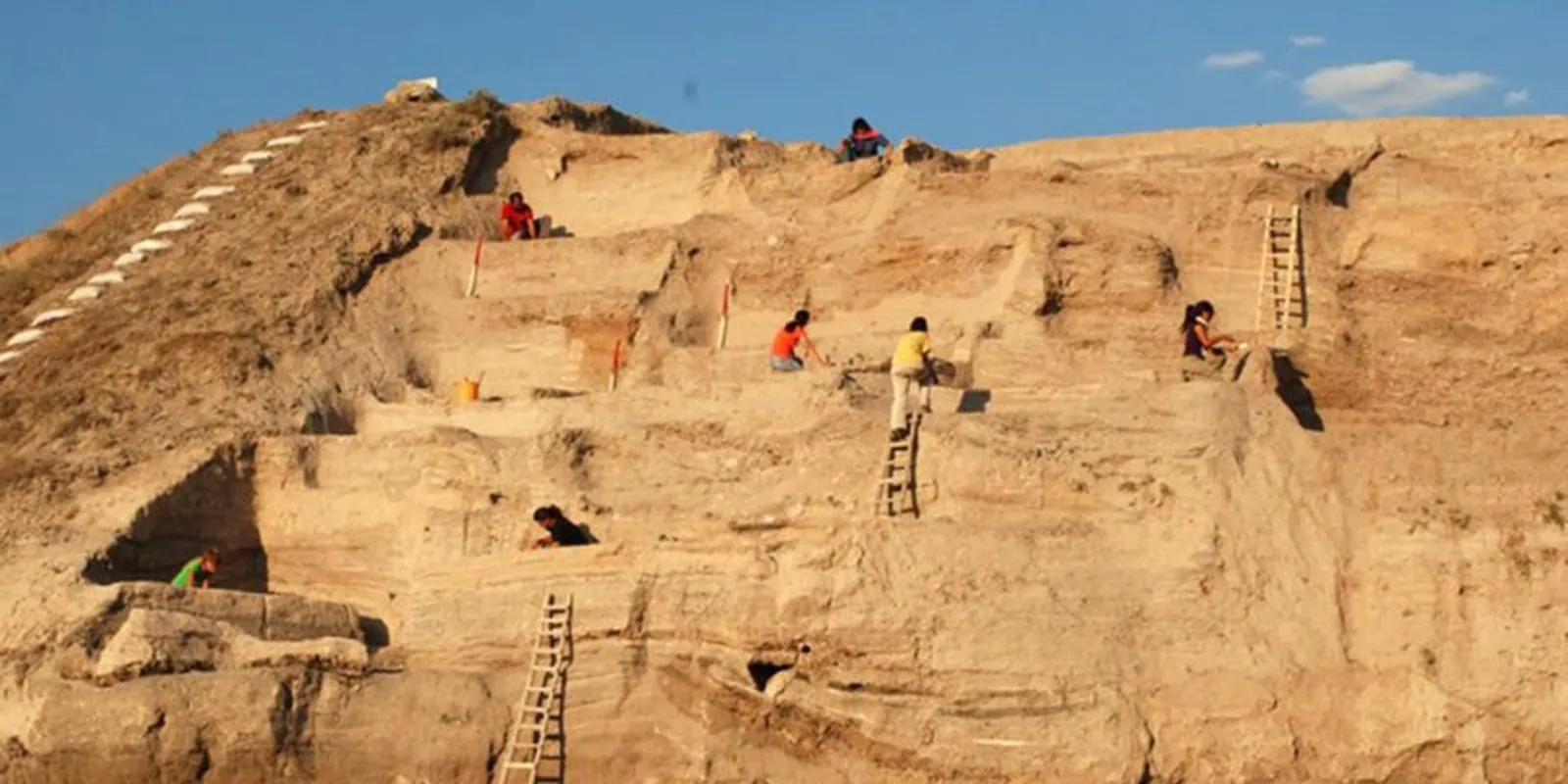
Aşıklı Höyük, a Neolithic site located in central Turkey, provides a window into the daily life and culture of early humans. The site contains evidence of agricultural practices, animal domestication, and complex social structures. Through archaeological excavations, researchers have uncovered various structures such as houses, storage pits, and a large communal building that may have served as a gathering place for the community. The artifacts found at Aşıklı Höyük suggest that the inhabitants were skilled in making stone tools and pottery. They also practiced burial rituals and had beliefs surrounding death and the afterlife. The art found at the site includes intricate figurines depicting animals and people, possibly indicating their religious or spiritual beliefs. One interesting statistic is that over 400 burials have been found at Aşıklı Höyük, with many of them containing grave goods such as pottery vessels and stone tools. This suggests that the Neolithic inhabitants placed great importance on death rituals and believed in an afterlife where material objects could be taken with them.
Overall, Aşıklı Höyük provides valuable insights into early human life during the Neolithic period. Its well-preserved artifacts allow us to understand how these communities lived, worked together, worshiped their gods or goddesses (if any), buried their dead ones with respect in accordance with their cultural practices while adapting to their environment around them over time.